-

- Health and Beauty
- Shed Belly Fat and Boost Your Glow: Top Foods for Health and Beauty!
 Return blog
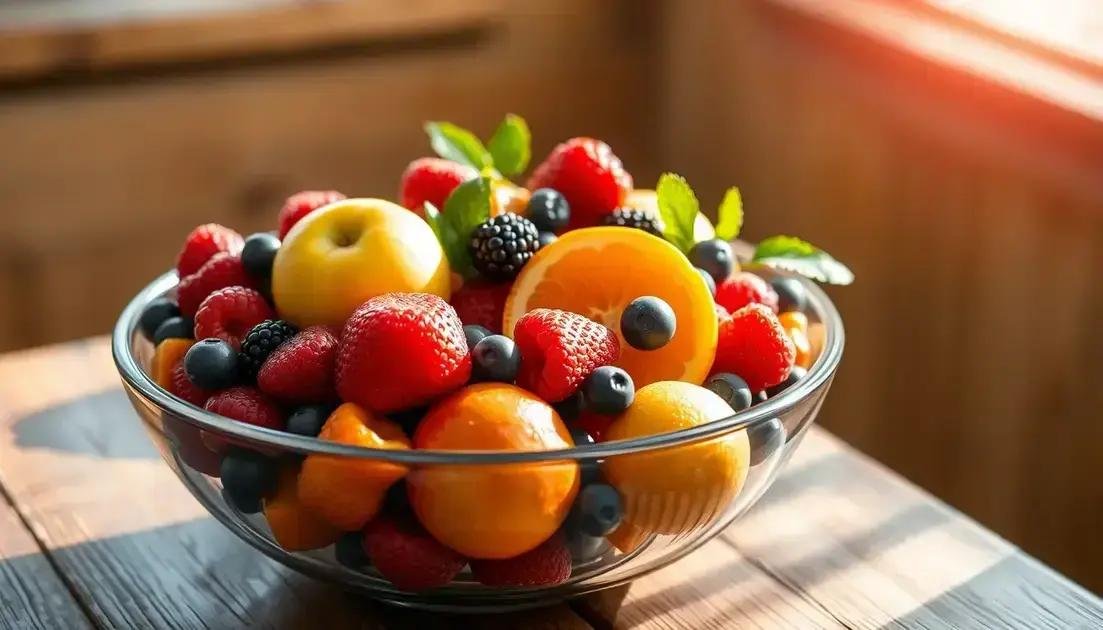
Shed Belly Fat and Boost Your Glow: Top Foods for Health and Beauty!
-
 Maria Duarte
-
 21, janeiro, 2025
Topics
 Shared


Are you struggling to lose belly fat and unsure which foods to include in your diet? Discover proven dietary solutions that can help you achieve a flatter stomach.
By focusing on nutrient-rich foods and avoiding common diet pitfalls, you can make progress towards your fitness goals.
Read on to learn how specific foods can assist in burning belly fat effectively.
Understanding Belly Fat and Its Impact
Understanding Belly Fat and Its Impact
Belly fat, also known as visceral fat, can pose serious health risks. It surrounds vital organs and increases the likelihood of diseases, such as diabetes and heart problems. Understanding how and why belly fat accumulates is crucial. Factors like poor diet, lack of exercise, and genetics play significant roles in this process.
Key Nutrients for Burning Belly Fat
Incorporating the right nutrients into your diet can significantly impact how effectively you lose belly fat. Focus on foods high in fiber, protein, and healthy fats while reducing sugars and refined carbohydrates. These nutrients help maintain energy levels and promote a healthy metabolism.
Role of Protein in Fat Loss
Protein is essential for losing weight, especially belly fat. It helps build muscle, which can boost metabolism. Consuming adequate protein also keeps you feeling full longer, which may reduce overall calorie intake.
How Fiber Can Help Reduce Belly Fat
High-fiber foods are vital in any fat-loss strategy. Fiber helps improve digestion and can lead to feelings of fullness, reducing food intake. Foods rich in fiber include beans, legumes, whole grains, fruits, and vegetables.
Healthy Fats to Include in Your Diet
Including healthy fats, like those found in avocados, nuts, and olive oil, can aid in reducing belly fat. These fats can promote satiety and help in the absorption of essential vitamins.
Importance of Hydration for Fat Loss
Staying hydrated is key when aiming to lose belly fat. Water helps boost metabolism and can assist in reducing cravings. Aim for at least eight glasses a day to support overall health and weight loss.
Low-Calorie Vegetables for Belly Fat Reduction
Adding low-calorie, nutrient-dense vegetables like spinach, cucumbers, and broccoli to your meals can aid in weight-loss efforts. They provide vitamins and minerals while keeping calorie intake low.
The Best Fruits to Eat for a Flat Tummy
Fruits like berries, apples, and citrus can be beneficial for belly fat loss. They are rich in vitamins, antioxidants, and fiber, which all contribute to weight management.
Foods to Avoid to Minimize Belly Fat
To reduce belly fat, limit foods high in added sugars and refined grains. These can lead to weight gain and fat accumulation around the stomach. Opt for whole, unprocessed foods whenever possible.
How Whole Grains Aid in Fat Loss
Whole grains, such as oats, quinoa, and brown rice, can help in losing belly fat. They provide more fiber than refined grains, enhancing digestion and satiety levels.
Using Spices and Herbs to Boost Metabolism
Many spices and herbs, like cayenne pepper or cinnamon, can enhance metabolism and fat burning. Incorporating these into your meals can add flavor while potentially increasing fat loss.
Putting It All Together: Meal Planning Tips
To effectively lose belly fat, planning balanced meals that include proteins, healthy fats, and fiber-rich foods is essential. Aim for consistency in your meals and consider portion sizes to ensure you stay on track.
Key Nutrients for Burning Belly Fat
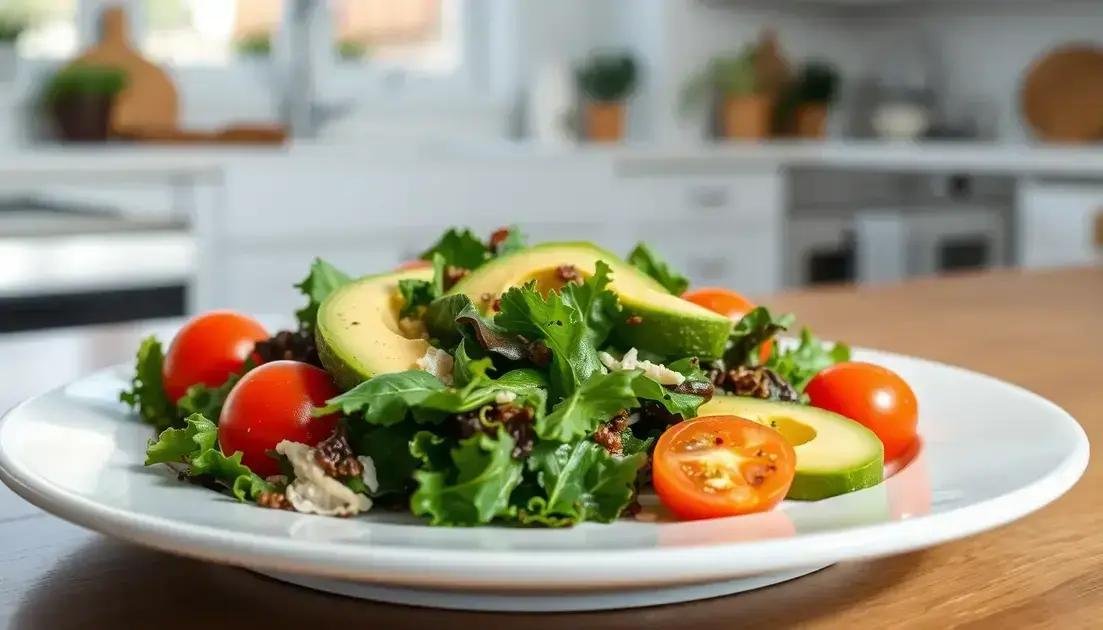
Key Nutrients for Burning Belly Fat
To successfully burn belly fat, it’s crucial to focus on specific nutrients that support fat loss. These include fiber, high-quality protein, and healthy fats, which can boost your metabolism and keep you satiated.
Fiber plays a vital role in digestion and helps regulate blood sugar levels, preventing spikes that can lead to fat storage. Meanwhile, proteins such as chicken, fish, beans, and legumes are essential for muscle maintenance and growth.
Healthy fats found in avocados, nuts, and olive oil can contribute to overall wellness while promoting feelings of fullness.
In addition to these, vitamins and minerals from fruits and vegetables can help support a balanced diet, offering antioxidants that combat inflammation.
It’s also beneficial to avoid processed foods high in sugar and unhealthy fats, as they can hinder your progress by promoting fat accumulation in the abdominal region.
Role of Protein in Fat Loss
Protein is a critical nutrient for anyone looking to lose belly fat. It helps build and maintain muscle mass, which is essential for a healthy metabolism. Incorporating sufficient protein into your diet can enhance your body’s ability to burn calories even at rest.
Foods rich in protein, such as lean meats, dairy, eggs, and plant-based options like beans and lentils, should be a staple in your meals. Eating protein not only promotes muscle growth, but it also helps you feel full longer, reducing the chances of overeating throughout the day.
Benefits of Increased Protein Intake
Research shows that increasing protein intake may lead to a reduction in cravings and appetite. Additionally, when combined with a proper exercise routine, protein can significantly aid in fat loss.
Aim to include a source of protein in every meal to maximize efforts in losing weight efficiently.
How Fiber Can Help Reduce Belly Fat
How Fiber Can Help Reduce Belly Fat
Fiber is a crucial component of a healthy diet, especially for those looking to lose belly fat. It aids in digestion and helps maintain regular bowel movements, which can prevent bloating.
Soluble fiber, found in foods like oats, beans, and fruits, absorbs water and forms a gel-like substance. This slows digestion and increases feelings of fullness. Eating more fiber can lead to lower calorie intake overall.
Incorporating high-fiber foods into your meals can help regulate blood sugar levels and reduce insulin spikes, which are linked to fat storage. Additionally, foods rich in fiber take longer to chew, allowing for better satisfaction and reduced snacking between meals.
Aim for at least 25 grams of fiber daily for optimal results in your weight-loss journey.
Healthy Fats to Include in Your Diet
Healthy fats are essential for a balanced diet and can aid in reducing belly fat. Incorporating sources of unsaturated fats can support weight loss by promoting satiety.
Foods rich in healthy fats include avocados, nuts, seeds, and olive oil. These fats help the body absorb vitamins and provide energy necessary for daily activities.
Avocados are particularly beneficial, as they give you a creamy texture and can be added to salads, sandwiches, or smoothies.
Nuts and Seeds
Nuts and seeds, such as almonds and chia seeds, are great snacks that also provide protein and fiber, ensuring you stay full between meals.
Additionally, using olive oil as a dressing or cooking fat can enhance the flavor of your meals while providing beneficial monounsaturated fats.
These healthy fats contribute to heart health and can help replace unhealthy, saturated fats in your diet. Make sure to include a variety of these fats in your meals to not only aid in weight loss but also to promote overall health.
Importance of Hydration for Fat Loss
Staying hydrated is crucial when aiming for fat loss, especially belly fat. Water plays a vital role in metabolic processes and helps in burning calories efficiently. Drinking enough water can boost your metabolism by up to 30% for a short period. It also helps your body remove waste and can prevent bloating, making your stomach look flatter.
Additionally, hydration aids in controlling appetite. Sometimes, the body confuses thirst with hunger, leading to unnecessary snacking and increased calorie intake. Drinking a glass of water before meals can help you eat less by making you feel fuller. Aim to drink at least 8 cups of water daily, adjusting for activity level and climate. Herbal teas and water-rich foods like fruits and vegetables can also contribute to your total water intake.
Low-Calorie Vegetables for Belly Fat Reduction
Low-Calorie Vegetables for Belly Fat Reduction
Incorporating low-calorie vegetables into your diet is a smart strategy for reducing belly fat. These vegetables are not only low in calories but also high in nutrients and fiber. Foods like spinach, kale, cucumbers, and zucchini provide essential vitamins while helping you feel full without consuming many calories. They can be used in salads, smoothies, or as side dishes.
Leafy greens, such as kale and spinach, are particularly beneficial because they are packed with antioxidants and have anti-inflammatory properties. Eating a variety of colorful vegetables ensures you get a wide range of nutrients. Aim to fill half your plate with vegetables at each meal to maximize fat loss and improve overall health.
The Best Fruits to Eat for a Flat Tummy

Eating the right fruits can significantly contribute to achieving a flat tummy. Fruits that are low in sugar and high in fiber help control hunger and reduce belly fat.
Berries, such as strawberries, blueberries, and raspberries, are excellent choices because they are packed with antioxidants and fiber, aiding digestion and keeping you full.
Citrus fruits like oranges and grapefruits are also beneficial. They are high in water content, which helps in hydration and provides essential vitamins. Their fiber content helps balance blood sugar levels, reducing cravings.
Additional Fruit Options
Additionally, bananas, when consumed in moderation, promote good digestion and may help with bloating. Pears are another great option; they contain a high amount of fiber and can contribute to feelings of fullness while helping to regulate digestion.
Incorporate these fruits into your meals or snacks to help slim your waistline effectively.
Foods to Avoid to Minimize Belly Fat
To effectively reduce belly fat, it is essential to limit certain types of foods. Highly processed foods, including chips, cookies, and fast food, are often high in sugars and unhealthy fats, leading to weight gain and increased belly fat.
Added sugars found in sodas and snacks should be avoided as they promote fat storage around the waist.
Refined carbs like white bread and pastries can cause blood sugar spikes and increased hunger.
Foods to Avoid
Trans fats contribute to abdominal fat and should be limited, along with alcohol, especially sugary cocktails and excessive beer, which can add empty calories.
Instead, focus on whole, unprocessed foods that nourish the body and support fat-loss efforts.
How Whole Grains Aid in Fat Loss
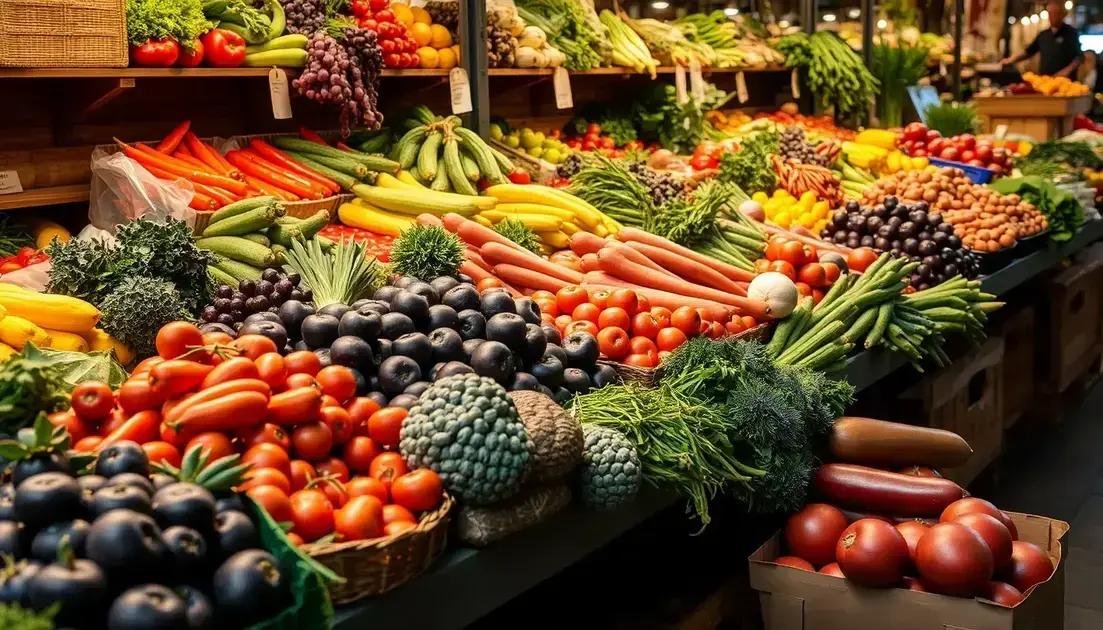
How Whole Grains Aid in Fat Loss
Whole grains are an essential part of a fat-loss diet because they are more nutritious than their refined counterparts.
Foods such as whole grain bread, brown rice, quinoa, and oats contain more fiber, which helps keep you full for longer periods.
Eating whole grains improves digestion and stabilizes blood sugar levels, preventing large insulin spikes that can lead to fat storage.
Incorporating whole grains into your meals can also boost your metabolism, as the body requires more energy to process these complex carbohydrates.
They provide a steady release of energy throughout the day, making you less likely to experience cravings for unhealthy snacks.
Aim to replace refined grains with whole grains to help support your fat-loss journey and improve overall health.
Using Spices and Herbs to Boost Metabolism
Using Spices and Herbs to Boost Metabolism
Spices and herbs can enhance the flavor of your meals while also boosting your metabolism. Common spices like cayenne pepper, cinnamon, and ginger have been shown to increase calorie burning. Cayenne pepper contains capsaicin, which may help to increase calorie expenditure and reduce appetite.
Cinnamon is not only delicious but can also help regulate blood sugar levels, which is important for maintaining energy and reducing cravings. Ginger is known for its anti-inflammatory properties and can help with digestion, further supporting metabolism. Adding these spices to your diet can be an easy and effective way to increase your metabolic rate.
In addition to these spices, consider incorporating fresh herbs like parsley, cilantro, and basil. They are low in calories but high in flavor, making them perfect for enhancing dishes without extra calories. Use them in salads, soups, and main courses to maximize flavor while supporting your metabolism.
Putting It All Together: Meal Planning Tips

Putting It All Together: Meal Planning Tips
Effective meal planning is a key strategy for losing belly fat. Start by creating a weekly menu that includes a balance of proteins, healthy fats, and plenty of fruits and vegetables. Focus on whole, unprocessed foods to keep your meals nutritious and low in calories. Use a variety of cooking methods, such as grilling, steaming, and roasting, to keep meals exciting.
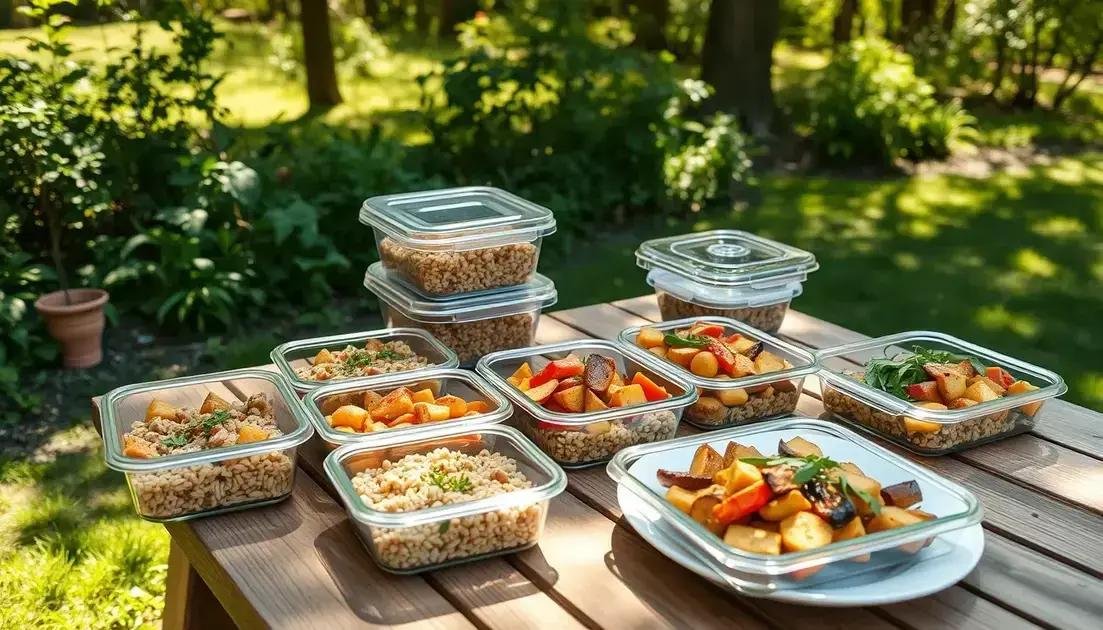
Prepare meals in advance to save time during busy days. Batch cooking grains and proteins can make it easier to assemble healthy meals quickly. Always have healthy snacks on hand, like nuts or cut-up veggies, to prevent unhealthy snacking.
Lastly, pay attention to portion sizes. Using smaller plates can help control portions while still allowing you to enjoy your food. By following these meal planning tips, you can streamline your eating habits and support your journey toward a flatter tummy.
Conclusion
Incorporating the right foods and habits can effectively help reduce belly fat. Focus on a balanced diet rich in proteins, healthy fats, and fiber while staying hydrated.
Avoid processed foods and sugars to improve your results. Meal planning allows you to maintain control of your diet, ensuring you get the necessary nutrients.
By following these strategies, achieving a flatter tummy is within reach.
FAQ – Understanding and Managing Belly Fat
What is belly fat and why is it a concern?
Belly fat, particularly visceral fat, surrounds vital organs and increases health risks like diabetes and heart disease.
Which nutrients should I focus on for losing belly fat?
Focus on fiber, high-quality proteins, and healthy fats to help boost metabolism and keep you full.
How does protein aid in fat loss?
Protein helps build muscle, boosts metabolism, and keeps you feeling full longer, reducing overall calorie intake.
Why is hydration important for losing belly fat?
Hydration boosts metabolism, controls appetite, and prevents bloating that can make your stomach appear larger.
What are some low-calorie vegetables to include in my diet?
Spinach, kale, cucumbers, and zucchini are great low-calorie options that are high in nutrients and fiber.
What types of foods should I avoid to minimize belly fat?
Avoid highly processed foods, added sugars, refined carbs, and trans fats as they promote fat accumulation.
How can meal planning help in belly fat loss?
Meal planning keeps you organized, helps ensure balanced nutrition, and controls portion sizes, preventing overeating.
