-

- Health and Beauty
- Transform Your Body: Tips to Prevent Loose Skin After Weight Loss
 Return blog

Transform Your Body: Tips to Prevent Loose Skin After Weight Loss
-
 Maria Duarte
-
 21, janeiro, 2025
Topics
 Shared


Losing weight can be an amazing achievement, but it often leads to new challenges such as how to avoid loose skin after weight loss.
Understanding the underlying factors that contribute to loose skin can help in preventing it.
By adopting methods such as strength training, proper hydration, and skincare, you can improve your skin’s elasticity and appearance.
Let’s explore effective strategies and solutions to tackle this common post-weight-loss concern.
Understand the Causes of Loose Skin
Understand the Causes of Loose Skin:
After significant weight loss, the skin may not retract properly. This happens due to a loss of collagen and elastin, essential proteins that give skin its firmness and elasticity. Factors such as age, genetics, and the rapidity of weight loss can exacerbate this issue. When weight is lost quickly, the skin doesn’t have enough time to adjust.
Common Causes
Some common causes include:
- Significant weight loss over a short period.
- Genetics, which determines skin elasticity.
- Age, as skin naturally loses elasticity over time.
Importance of Gradual Weight Loss

Importance of Gradual Weight Loss: Losing weight slowly is key in maintaining skin elasticity. Rapid weight loss can leave the skin struggling to adapt, leading to loose or sagging skin. Gradual weight loss, ideally around 1-2 pounds per week, allows the skin time to shrink along with the body. When weight is lost too quickly, the skin may not have adequate time to adjust, increasing the likelihood of sagging.
By implementing a steady weight loss plan, individuals can improve their chances of retaining firmer skin. This approach gives the body the necessary time to produce collagen and elastin, which are essential for skin support and elasticity.
Incorporate Strength Training
Incorporate Strength Training: Adding strength training to your fitness routine can significantly benefit your skin’s elasticity. By engaging in resistance exercises, you build muscle, which can fill out the skin and reduce the appearance of sagging.
Strength training also stimulates collagen production, a crucial protein for maintaining skin firmness. Aim for at least two to three weight training sessions each week, focusing on all major muscle groups. This approach not only helps in maintaining a healthy weight but also ensures your skin has support from underlying muscle, making it appear tighter and more toned.
Stay Hydrated for Skin Elasticity

Stay Hydrated for Skin Elasticity: Keeping your body hydrated is essential for maintaining skin elasticity. Water helps to keep the skin plump and supple, reducing the likelihood of sagging. Aim to drink at least 8 cups of water each day, adjusting for activity levels and climate.
Additionally, consuming foods that are high in water content, such as fruits and vegetables, can also help hydrate your skin from the inside out. By prioritizing hydration, you not only benefit your skin but also support overall health, which is key during weight loss.
Consume Protein-Rich Foods
Consume Protein-Rich Foods: Eating enough protein is vital for skin health, especially after weight loss. Protein helps in building muscles and repairing tissues, including the skin. Foods rich in protein, like lean meats, fish, eggs, dairy, beans, and nuts, contribute to collagen formation. Collagen is crucial for maintaining skin elasticity and firmness. Aim to include a source of protein in each meal to support your body’s needs during your weight loss journey and promote healthier skin.
Implement a Healthy Skincare Routine

Implement a Healthy Skincare Routine: Establishing a consistent skincare routine is essential for maintaining skin elasticity after weight loss. Start with a gentle cleanser to remove dirt and oil, followed by a nourishing moisturizer to keep the skin hydrated.
Incorporating products with retinoids can improve collagen production, which helps in tightening the skin. Additionally, using sunscreen daily protects against UV damage, which can worsen skin elasticity.
Remember to exfoliate regularly to remove dead skin cells and promote cell renewal. By taking care of your skin, you can enhance its firmness and overall appearance as you achieve your weight loss goals.
Consider Supplementation for Skin Health
Consider Supplementation for Skin Health: Adding supplements can support skin health, especially after weight loss. Key supplements include collagen, which helps improve skin elasticity and hydration.
Vitamin C is another vital nutrient that aids collagen production and protects skin cells. Additionally, Omega-3 fatty acids can help reduce inflammation and keep skin hydrated.
Before starting any supplements, it’s essential to consult with a healthcare professional to ensure they are appropriate for your needs. A balanced diet combined with the right supplements can enhance skin recovery and overall health.
Practice Regular Body Massages
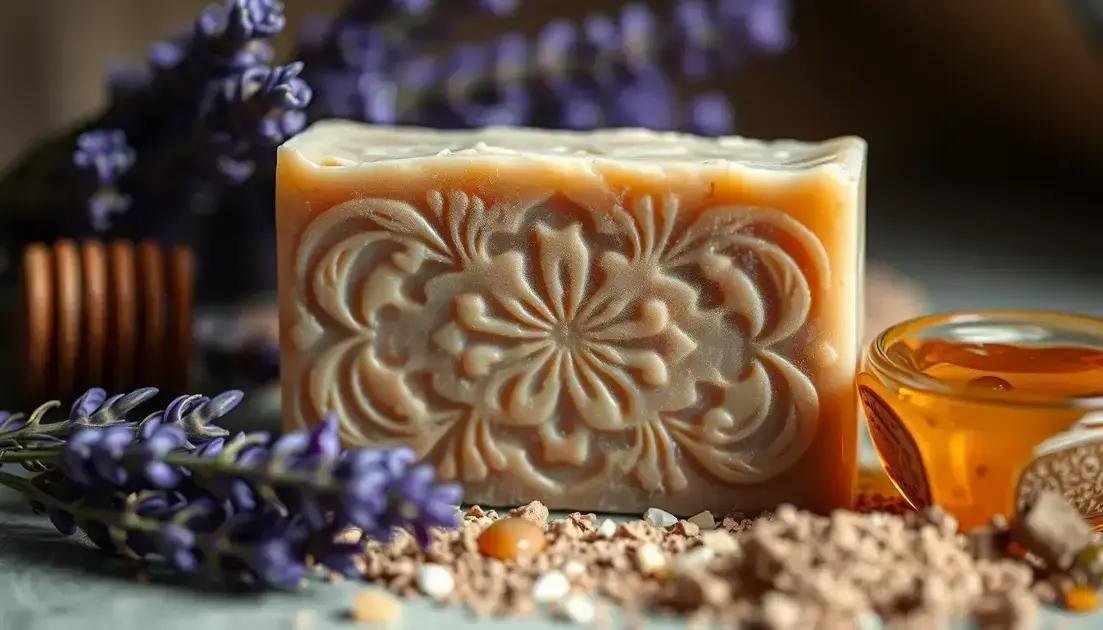
Practice Regular Body Massages: Incorporating regular body massages into your routine can help improve skin elasticity and circulation. Massaging the skin stimulates blood flow, delivering essential nutrients and oxygen to skin cells. This practice can also promote collagen production, making the skin appear firmer. Use natural oils, like almond or coconut oil, for added hydration. Aim for at least one massage per week, either through a professional or self-massage techniques. Consistency in this practice can lead to a noticeable improvement in skin texture and elasticity, supporting your weight loss journey.
Avoid Smoking and Excessive Sun Exposure
Avoid Smoking and Excessive Sun Exposure: Steering clear of smoking and limiting sun exposure is crucial for skin health. Smoking restricts blood flow, reducing skin elasticity and contributing to premature aging. It leads to wrinkles and can worsen the appearance of loose skin.
Similarly, excessive sun exposure damages the skin’s fibers and accelerates its aging process. Always use a broad-spectrum sunscreen with at least SPF 30 when outdoors, even on cloudy days. Wearing protective clothing can also shield the skin from harmful UV rays.
By avoiding these harmful habits, you can help maintain your skin’s elasticity and overall appearance after weight loss.
Consult with a Dermatologist

Consult with a Dermatologist: Seeking advice from a dermatologist is an important step for anyone concerned about loose skin after weight loss. Dermatologists can assess skin health and recommend personalized treatments. They may suggest topical treatments that promote elasticity, or professional procedures, such as chemical peels or laser therapy, to help tighten skin.
Regular check-ups can provide guidance on maintaining skin health and addressing any issues early. A dermatologist’s expertise can help you navigate the best options for restoring skin firmness.
Consider Non-Surgical Skin Tightening Options
Consider Non-Surgical Skin Tightening Options: Non-surgical skin tightening treatments are effective for improving skin firmness without invasive procedures. Technologies like radiofrequency and ultrasound stimulate collagen production, helping to tighten loose skin gradually. These treatments usually require multiple sessions for optimal results.
Additionally, micro-needling can enhance skin elasticity by promoting collagen regeneration. It’s important to consult with a qualified professional to determine the best non-surgical options based on skin type and specific needs. Regular maintenance sessions can also prolong the results.
Explore Surgical Solutions for Loose Skin

Explore Surgical Solutions for Loose Skin: For individuals experiencing significant loose skin after weight loss, surgical options may provide effective solutions. Procedures such as tummy tucks and body lifts remove excess skin and can reshape the body.
These surgeries are typically performed by board-certified plastic surgeons and can greatly enhance body contour. It is crucial to weigh the risks and benefits, including recovery time and potential complications.
A thorough consultation with a qualified surgeon can help you understand the best surgical options tailored to your specific conditions and goals.
Conclusion
Maintaining skin elasticity after weight loss is essential for enhancing your overall appearance and confidence.
By understanding the causes of loose skin and implementing effective strategies such as gradual weight loss, strength training, hydration, and a healthy skincare routine, you can significantly improve skin firmness.
Additionally, consulting with professionals for supplementation, body massages, and exploring both non-surgical and surgical options can further aid in achieving optimal results.
Each journey is unique, but with the right steps, you can minimize loose skin and enjoy the benefits of your hard work.
FAQ – Understanding Loose Skin
What causes loose skin after weight loss?
Loose skin occurs due to a loss of collagen and elastin in the skin, often exacerbated by rapid weight loss, age, and genetics.
Why is gradual weight loss important?
Gradual weight loss allows the skin time to adjust and reduces the chances of sagging skin.
How can strength training help with loose skin?
Strength training builds muscle underneath the skin, which can help fill out and firm loose areas.
Why is hydration important for skin elasticity?
Staying hydrated helps keep the skin plump and enhances its elasticity, reducing the appearance of sagging.
How does consuming protein-rich foods benefit the skin?
Protein is essential for collagen production, which supports skin firmness and elasticity.
What should a healthy skincare routine include?
A good skincare routine includes cleansing, moisturizing, exfoliating, and using sun protection.
What supplements should I consider for skin health?
Collagen, Vitamin C, and Omega-3 fatty acids are beneficial for improving skin elasticity and hydration.
How do regular body massages help the skin?
Massages improve blood circulation and stimulate collagen production, helping to tighten loose skin.
Why should I avoid smoking and excessive sun exposure?
Both smoking and too much sun damage skin elasticity and can lead to premature aging.
When should I consult a dermatologist?
It’s advisable to see a dermatologist if you’re concerned about loose skin or seek professional treatment options.
What non-surgical options are available for tightening skin?
Options include radiofrequency treatments, ultrasound therapy, and micro-needling, which can all boost collagen production.
When should I consider surgical options for loose skin?
Surgical solutions are suitable for individuals with significant loose skin and who seek more immediate results.
