-

- Health and Beauty
- Discover Effective Bloating Remedies for a Healthier, More Beautiful You!
 Return blog

Discover Effective Bloating Remedies for a Healthier, More Beautiful You!
-
 Maria Duarte
-
 24, janeiro, 2025
Topics
 Shared


Feeling bloated can be uncomfortable and burdensome.
Understanding effective bloating remedies can help relieve the pain and discomfort quickly.
By following simple lifestyle adjustments, using natural solutions, and understanding diet’s role, you can effectively manage bloating.
Discover herbal treatments, exercises, and dietary tips to keep bloating at bay.
Explore this comprehensive guide on how to tackle bloating with ease and live comfortably.
Understanding Bloating and Its Causes
Bloating is a common condition that occurs when the digestive system is filled with gas or air. It can cause discomfort and a feeling of fullness in the stomach.
There are several factors that contribute to bloating. Diet plays a significant role; foods that are high in fiber, carbonated beverages, and certain sugar substitutes can lead to increased gas production.
Medical Conditions
Medical conditions, such as irritable bowel syndrome (IBS) or gastrointestinal disorders, can also trigger bloating. Understanding these causes can help manage and prevent symptoms effectively.
The Role of Diet in Bloating

The role of diet in bloating is crucial because what we eat significantly impacts the digestive process.
Some common culprits that can lead to bloating include:
- High-fiber foods
- Carbonated drinks
- Dairy products
- Processed foods with artificial sweeteners
Particularly, high-fiber foods that may contribute to bloating are:
- Beans
- Lentils
- Broccoli
- Cauliflower
To manage bloating effectively, consider the following suggestions:
- Maintain a food diary to identify trigger foods.
- Adjust portion sizes when consuming high-fiber foods.
- Gradually incorporate high-fiber foods to avoid excessive gas production.
In conclusion, becoming more mindful of food choices can play a significant role in managing bloating.
Natural Remedies for Quick Relief
Natural remedies can provide quick relief from bloating and alleviate discomfort effectively.
Incorporating ginger into meals or consuming it as tea can help soothe the stomach.
Peppermint is another excellent option; it relaxes the digestive tract muscles and reduces gas buildup.
Apple cider vinegar diluted in water before meals may promote digestion and minimize bloating.
Additionally, fennel seeds can be chewed to relieve gas.
Remember to allow your body to relax through deep breathing exercises as stress can worsen bloating.
Keeping a consistent intake of these natural remedies may result in significant improvements.
Effective Herbal Treatments
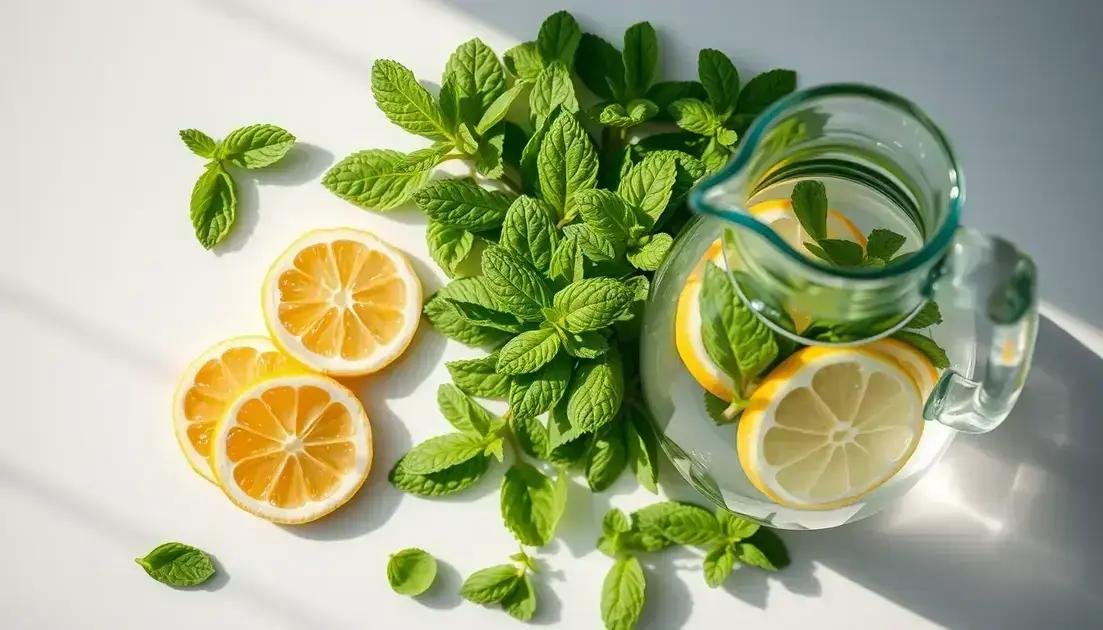
Herbal treatments are a fantastic way to address bloating naturally.
Chamomile tea is known for its calming properties and is effective in reducing bloating and gas.
Similarly, ginger tea acts as a natural anti-inflammatory and can help soothe the digestive tract.
Turmeric, rich in curcumin, may also support digestion and reduce bloating.
Another herbal option includes dandelion root, which acts as a diuretic and can help eliminate excess water weight.
Incorporating these herbal treatments into your routine may ease discomfort and improve digestive health without relying on pharmaceuticals.
Lifestyle Changes to Prevent Bloating
Making lifestyle changes can significantly help reduce bloating. One of the most effective methods is to maintain a regular eating schedule. Eating smaller, more frequent meals rather than large ones can help your digestive system process food more efficiently.
Staying active is another key aspect; gentle exercise such as walking can promote digestion and reduce gas buildup.
Additional Tips
Additionally, it’s important to limit sodium intake as excess salt can cause water retention and bloating. Avoiding tight clothing can also minimize discomfort by allowing your abdomen to expand naturally after eating.
Lastly, managing stress through relaxation techniques can help in reducing bloating due to its impact on digestion.
The Science Behind Probiotics

Probiotics are live microorganisms that can offer numerous health benefits, particularly for digestive health. They help maintain the balance of good bacteria in the gut, which is essential for proper digestion.
Consuming yogurt or fermented foods like kimchi and sauerkraut can introduce these beneficial bacteria into your system. Additionally, probiotics may help alleviate symptoms of bloating and gas by breaking down food more efficiently.
Research indicates that specific strains, such as Lactobacillus and Bifidobacterium, are particularly effective in improving gut health. Regular intake of probiotics can support overall digestive function, making it easier for your body to process food without excessive bloating.
Assessing Food Intolerances
Assessing food intolerances is an essential step in managing bloating. Food intolerances occur when the body cannot digest certain foods properly, leading to discomfort and gas. Common intolerances include dairy, gluten, and certain fruits.
To identify food intolerances, keep a food diary where you log what you eat and any symptoms that follow. This can help pinpoint problematic foods.
Elimination Diet
An elimination diet can also be effective; remove suspected foods from your diet for a few weeks, then gradually reintroduce them one at a time while monitoring for symptoms.
Consulting with a healthcare professional can provide tailored advice and testing options, ensuring a comprehensive approach to identify and manage food sensitivities.
The Benefits of Hydration

Hydration plays a vital role in reducing bloating. Drinking an adequate amount of water helps flush out excess sodium, which can cause water retention. When you’re properly hydrated, your digestive system functions more efficiently, preventing constipation and gas buildup.
Aim for about 8-10 cups of water per day, adjusting for activity level and environmental conditions. Herbal teas, especially peppermint and ginger tea, not only hydrate but can also ease digestive issues.
Tips for Staying Hydrated
Avoid excessive consumption of caffeinated or alcoholic beverages, as they can lead to dehydration. Remember, keeping your body well-hydrated is a simple yet effective strategy to alleviate bloating.
Exercises to Reduce Bloating
Engaging in specific exercises can help reduce bloating effectively.
Gentle movements like walking can improve digestion and encourage the passage of gas.
Benefits of Specific Exercises
Pilates and yoga are also beneficial; poses such as Child’s Pose and Cat-Cow can relieve tension in the abdomen.
Additionally, stretching can help alleviate discomfort by improving circulation.
Try to incorporate bicycle crunches and leg raises to target abdominal muscles directly, which can aid in reducing bloating over time.
Always remember to listen to your body and choose exercises that feel comfortable.
The Importance of Mindful Eating

Mindful eating is an essential practice to reduce bloating and improve overall digestion. It involves paying full attention to the eating experience, which can help you recognize hunger and fullness cues.
Start by minimizing distractions, such as screens or conversations, during meals. Chew your food thoroughly and savor each bite; this aids in digestion and allows for better nutrient absorption.
Benefits of Mindful Eating
By slowing down, you can prevent overeating, which is a common cause of bloating. Keeping track of what you eat can also help identify foods that trigger discomfort.
Implementing mindful eating habits encourages a healthier relationship with food.
When to Seek Medical Advice
Knowing when to seek medical advice for bloating is important for your health. If bloating occurs frequently and is accompanied by other symptoms like severe pain, persistent diarrhea, constipation, or unintentional weight loss, it may indicate a more serious condition. Additionally, if you experience bloating after meals that worsen over time, consulting a healthcare professional is advisable.
Women should also be aware of accompanying symptoms during their menstrual cycle. If dietary changes and home remedies do not alleviate bloating, a healthcare provider can help determine underlying causes such as food intolerances or digestive disorders.
Maintaining a Bloat-Free Life

Maintaining a bloat-free life requires a combination of dietary choices and lifestyle habits.
Focus on consuming a balanced diet rich in whole foods, such as fruits, vegetables, whole grains, and lean proteins.
Limit processed foods and sugar, which can increase bloating.
Regular physical activity is also essential; aim for at least 30 minutes of exercise most days, as this promotes regular digestion.
Staying hydrated with plenty of water throughout the day helps reduce water retention and supports digestive health.
Additionally, track your food intake to identify any specific triggers and practice mindful eating to prevent overeating.
Implementing these strategies can contribute to a comfortable, bloat-free lifestyle.
Conclusion
Managing bloating involves understanding its causes and implementing effective remedies. By focusing on a balanced diet, engaging in regular exercise, staying hydrated, and practicing mindful eating, you can significantly reduce bloating and improve your overall digestive health.
It’s also important to assess food intolerances and seek medical advice when necessary. By integrating these strategies into your daily life, you can maintain comfort and wellness.
FAQ – Understanding Bloating
What causes bloating?
Bloating can be caused by various factors, including diet, food intolerances, and certain medical conditions.
How does diet affect bloating?
Certain foods, especially high-fiber options, carbonated beverages, and dairy products, can lead to increased bloating.
What are some natural remedies for bloating?
Natural remedies include ginger tea, peppermint, apple cider vinegar, and fennel seeds.
What lifestyle changes can prevent bloating?
Eating smaller meals, increasing physical activity, and staying hydrated can help prevent bloating.
What is the science behind probiotics in bloating?
Probiotics help maintain gut health by balancing good bacteria, which may reduce bloating and improve digestion.
How does hydration impact bloating?
Staying hydrated helps eliminate excess sodium and promotes efficient digestion, reducing bloating.
When should I seek medical advice for bloating?
Seek medical advice if bloating is frequent, severe, or accompanied by other concerning symptoms.
What can I do to maintain a bloat-free life?
Focus on a balanced diet, regular exercise, and mindful eating to maintain digestive comfort.
