-

- Weight Loss
- How to Weight Loss Fast? Discover Proven Tips for Quick Results!
 Return blog
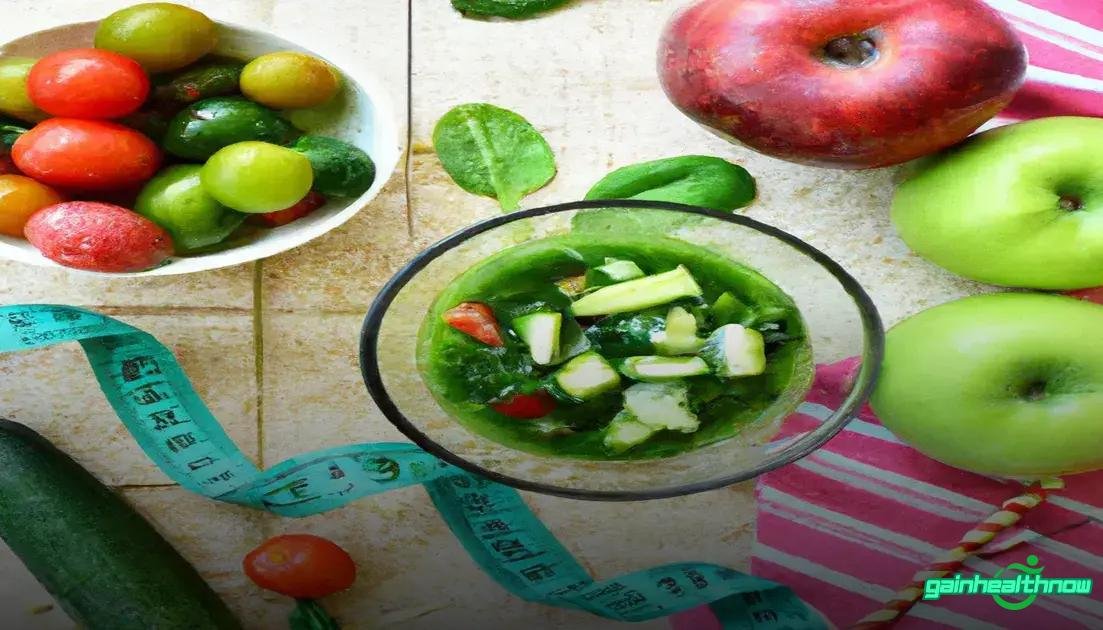
How to Weight Loss Fast? Discover Proven Tips for Quick Results!
-
 Lucas Souza
-
 24, outubro, 2024
Topics
 Shared


If you’re asking yourself how to weight loss fast, you’re not alone. Many of us have been there, looking for quick solutions to shed those extra pounds.
But here’s the thing: while rapid weight loss can be tempting, it’s crucial to approach it safely and effectively. In this article, we’ll explore proven tips and strategies that can help you achieve your weight loss goals without compromising your health.
From understanding the basics of weight loss to incorporating the right diet and exercise routines, we’ve got you covered. Let’s dive in and discover how you can make your weight loss journey both fast and sustainable!
Understanding Weight Loss Basics
When it comes to understanding weight loss basics, it’s essential to grasp the fundamental principle: weight loss occurs when you burn more calories than you consume. This is known as a caloric deficit. Sounds simple, right? But let’s break it down a bit further.
First, it’s important to know that not all calories are created equal. The quality of the food you eat plays a significant role in how your body processes those calories. For instance, 100 calories from a candy bar will affect your body differently than 100 calories from a piece of fruit. The latter offers vitamins, minerals, and fiber that can aid in digestion and overall health.
Next, metabolism is another key player in the weight loss game. It refers to the chemical processes in your body that convert food into energy. Factors like age, gender, and muscle mass can influence your metabolic rate. For example, individuals with more muscle tend to burn more calories at rest than those with a higher fat percentage.
Additionally, it’s crucial to incorporate both diet and exercise into your weight loss plan. While cutting calories is important, combining it with physical activity not only helps you burn more calories but also builds lean muscle, which can further boost your metabolism.
Lastly, remember that weight loss is not just about the scale. It’s about creating healthy habits that promote overall well-being. Focus on how you feel, and celebrate small victories along the way. Whether it’s fitting into your favorite jeans or having more energy throughout the day, those non-scale victories are just as important!
The Role of Diet in Fast Weight Loss
The role of diet in fast weight loss cannot be overstated. What you eat directly impacts your ability to shed pounds quickly and healthily. So, let’s dive into some effective dietary strategies that can help you achieve your weight loss goals.
First off, focusing on whole foods is key. These are foods that are minimally processed and close to their natural state. Think fruits, vegetables, whole grains, lean proteins, and healthy fats. Not only do they provide essential nutrients, but they also tend to be lower in calories compared to processed foods. For example, swapping out a sugary snack for a piece of fruit can cut down on calories while providing fiber and vitamins.
Next, portion control plays a significant role in diet. Even healthy foods can contribute to weight gain if eaten in large quantities. Using smaller plates, measuring portions, and being mindful of serving sizes can help keep your calorie intake in check. It’s all about finding that balance!
Another effective strategy is to incorporate protein into your meals. Protein is known to be more satiating than carbs or fats, meaning it can help you feel fuller for longer. This can reduce the temptation to snack between meals. Foods like chicken, fish, beans, and legumes are excellent sources of protein that can aid in fast weight loss.
Don’t forget about the importance of hydration, too! Drinking water can help curb hunger and prevent overeating. Sometimes, our bodies confuse thirst with hunger, leading to unnecessary snacking. Aim for at least 8 glasses of water a day, and consider swapping sugary drinks for water or herbal teas.
Lastly, consider keeping a food journal. Tracking what you eat can provide insight into your eating habits and help you identify areas for improvement. It can be an eye-opener to see how those little snacks or extra servings add up!
In summary, a well-balanced diet rich in whole foods, proper portion control, adequate protein, hydration, and self-awareness can significantly enhance your weight loss journey. Remember, it’s not just about losing weight fast; it’s about creating sustainable habits that will keep you healthy in the long run!
Effective Exercise Routines for Quick Results
When it comes to achieving effective exercise routines for quick results, it’s all about finding the right balance between intensity, variety, and consistency. Let’s explore some workout strategies that can help you shed those pounds faster!
First up, high-intensity interval training (HIIT) is a game-changer. This type of workout alternates between short bursts of intense exercise and brief recovery periods. Not only does HIIT burn a significant number of calories in a short amount of time, but it also boosts your metabolism for hours after you finish. Think sprints, jumping jacks, or burpees followed by a short rest. You can get a great workout in as little as 20-30 minutes!
Next, strength training is crucial for building muscle and increasing your resting metabolic rate. Incorporating weights or resistance bands into your routine can help you tone up and burn more calories, even when you’re not working out. Aim for at least two to three strength training sessions per week, focusing on all major muscle groups. Exercises like squats, deadlifts, and push-ups are fantastic choices.
Don’t forget about cardiovascular workouts! Activities like running, cycling, or swimming can help you burn calories and improve your heart health. Aim for at least 150 minutes of moderate aerobic activity or 75 minutes of vigorous activity each week. The key is to find something you enjoy so you’ll stick with it!
Flexibility and recovery are also important components of an effective exercise routine. Incorporating yoga or stretching can help prevent injuries and improve your overall performance. Plus, it’s a great way to unwind and reduce stress, which can be beneficial for weight loss.
Lastly, consistency is your best friend. Finding a workout schedule that fits your lifestyle and sticking to it is vital for seeing results. Whether you prefer morning workouts, lunchtime sessions, or evening sweat sessions, make it a habit. Consider finding a workout buddy or joining a class to stay motivated!
In conclusion, combining HIIT, strength training, cardiovascular workouts, flexibility exercises, and consistency can create an effective exercise routine that delivers quick results. Remember, it’s all about finding what works for you and making it a fun part of your daily life!
Importance of Hydration in Weight Loss
The importance of hydration in weight loss is often overlooked, but it plays a crucial role in your overall health and weight management. Staying properly hydrated can significantly impact your weight loss journey, so let’s break down why it matters.
First and foremost, water is essential for your body’s metabolic processes. When you’re well-hydrated, your metabolism functions more efficiently, which can help you burn calories more effectively. Dehydration, on the other hand, can slow down your metabolism and hinder your weight loss efforts.
Additionally, drinking water can help control your appetite. Sometimes, our bodies confuse thirst with hunger, leading to unnecessary snacking. By drinking a glass of water before meals, you may find that you eat less because you feel fuller. It’s a simple trick that can help you cut down on calories without even trying!
Hydration also supports your workouts. When you’re exercising, your body loses water through sweat. If you’re not replenishing those fluids, you may experience fatigue, decreased performance, and even dizziness. Staying hydrated ensures that you can give your best effort during workouts, which is key for burning calories and building muscle.
Moreover, proper hydration helps with digestion and nutrient absorption. When you drink enough water, your body can efficiently break down food and absorb essential nutrients. This is particularly important when you’re on a weight loss diet, as your body needs the right nutrients to function well.
Lastly, let’s not forget about the benefits of water for your skin and overall well-being. Staying hydrated can improve your skin’s appearance, helping you look and feel better as you lose weight. Plus, good hydration helps maintain energy levels, keeping you motivated and ready to tackle your weight loss goals.
In summary, hydration is a vital component of any weight loss plan. By ensuring you drink enough water throughout the day, you can boost your metabolism, control your appetite, enhance your workouts, aid digestion, and improve your overall health. So, grab that water bottle and make hydration a priority on your weight loss journey!
Setting Realistic Goals for Sustainable Weight Loss
Setting realistic goals for sustainable weight loss is essential for long-term success and maintaining motivation throughout your journey. While it’s tempting to aim for rapid results, focusing on achievable targets can lead to healthier habits and better outcomes. Here’s how to set those goals effectively!
First, it’s important to understand that healthy weight loss typically ranges from 1 to 2 pounds per week. This might not seem like much, but it’s a sustainable rate that allows your body to adjust without drastic changes. Setting a goal of losing 5-10% of your total body weight over a few months can be a great starting point. This approach not only promotes health but also minimizes the risk of regaining the weight.
Next, consider breaking your larger goal into smaller, manageable milestones. For instance, if your ultimate goal is to lose 30 pounds, aim to lose 5 pounds at a time. Celebrating these small victories can keep you motivated and provide a sense of accomplishment along the way.
Additionally, it’s crucial to focus on non-scale victories as well. Weight loss isn’t just about the numbers; it’s about how you feel. Set goals related to improving your fitness level, such as being able to run a mile without stopping or lifting a certain weight. These types of goals can enhance your overall well-being and keep you engaged in the process.
Another important aspect is to make your goals specific and measurable. Instead of saying, “I want to eat healthier,” try, “I will include two servings of vegetables in my meals each day.” This clarity helps you track your progress and stay accountable.
Lastly, be flexible and patient with yourself. Life can throw curveballs, and it’s okay if you encounter setbacks. The key is to stay committed and adjust your goals as needed. Remember, sustainable weight loss is a marathon, not a sprint. Embrace the journey, and focus on creating healthy habits that will last a lifetime.
In conclusion, setting realistic goals for sustainable weight loss involves understanding healthy weight loss rates, breaking down larger goals into smaller milestones, focusing on non-scale victories, making goals specific and measurable, and being flexible. By following these guidelines, you can create a weight loss plan that is not only effective but also enjoyable and sustainable in the long run!
Conclusion
In summary, achieving weight loss fast is not just about quick fixes; it’s about adopting a holistic approach that combines effective diet, exercise, hydration, and realistic goal-setting.
By understanding the basics of weight loss, incorporating whole foods into your diet, engaging in high-intensity workouts, staying hydrated, and setting achievable goals, you can create a sustainable weight loss plan that promotes long-term health and well-being.
Remember, the journey to weight loss is unique for everyone, and it’s essential to find what works best for you. Celebrate your progress, stay committed, and focus on building healthy habits that will last a lifetime.
With the right mindset and strategies in place, you can successfully navigate your weight loss journey and achieve the results you desire!
FAQ – Common Questions About Fast Weight Loss
What is the best way to lose weight quickly?
The best way to lose weight quickly is to create a caloric deficit through a combination of a healthy diet, regular exercise, and proper hydration.
How much water should I drink for weight loss?
Aim for at least 8 glasses of water a day, but individual needs may vary based on activity level and body size.
Can I lose weight without exercising?
While it’s possible to lose weight through diet alone, incorporating exercise can enhance your results and improve overall health.
What types of exercises are best for quick weight loss?
High-intensity interval training (HIIT) and strength training are highly effective for quick weight loss, along with regular cardiovascular workouts.
How do I set realistic weight loss goals?
Set realistic goals by aiming to lose 1-2 pounds per week, breaking larger goals into smaller milestones, and focusing on non-scale victories.
Is it normal to experience weight loss plateaus?
Yes, weight loss plateaus are common. They can occur due to various factors, including metabolic adaptation, and adjusting your routine can help overcome them.
