-

- Weight Loss
- Burn Calories Fast: Top Home Workouts for Weight Loss
 Return blog
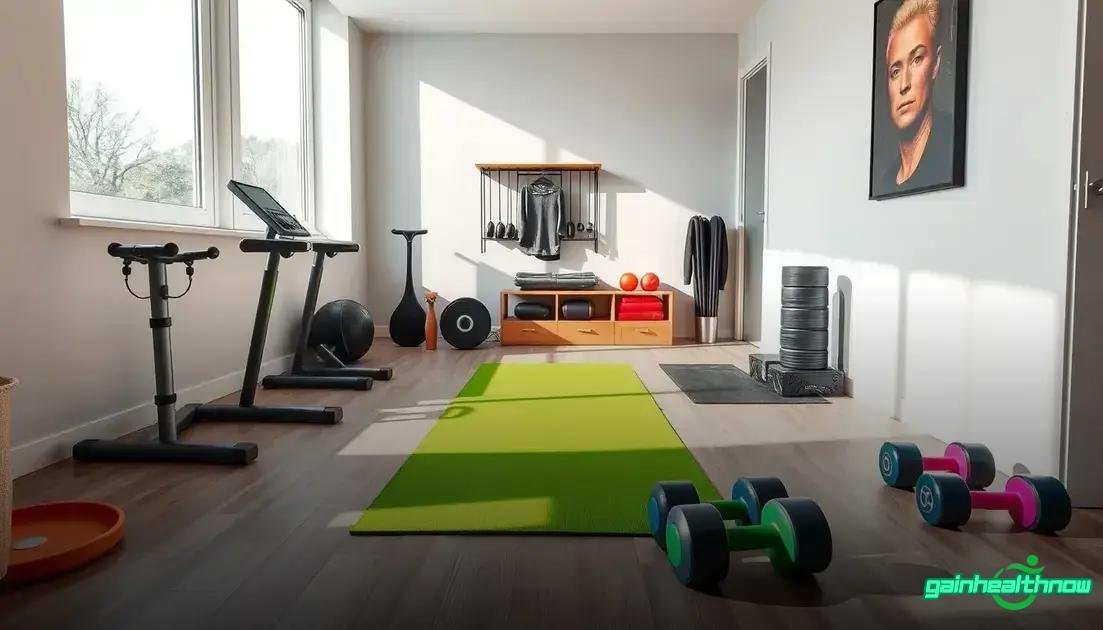
Burn Calories Fast: Top Home Workouts for Weight Loss
-
 Maria Duarte
-
 2, novembro, 2024
Topics
 Shared


Are you looking to shed some pounds without stepping foot in a gym? Home calorie-burning exercises are not only convenient but also incredibly effective.
Whether you prefer high-intensity workouts or low-impact routines, there are numerous options available to help maximize your fitness efforts right from the comfort of your living room.
In this article, we will discuss different types of exercises that can help you burn calories at home and explore how to create a diverse workout regimen that suits your personal preferences.
The Importance of Burning Calories at Home
The Importance of Burning Calories at Home
Burning calories at home is essential for maintaining a healthy lifestyle, especially when gym access is limited. By engaging in regular physical activity, you can improve your cardiovascular health, boost your metabolism, and enhance your overall well-being.
Home workouts offer the flexibility to exercise at your own pace and convenience, allowing you to seamlessly incorporate fitness into your daily routine. Furthermore, burning calories effectively helps in weight management and reduces the risk of chronic diseases.
Variety of Exercises
With a variety of exercises available, from bodyweight workouts to yoga, you can tailor your routine to meet your personal fitness goals while enjoying the comfort of your home.
Understanding Metabolism and Calories

Understanding Metabolism and Calories
Metabolism refers to the complex biochemical processes that convert food into energy. It’s essential to understand how metabolism works to grasp its impact on calorie burning. Calories are the units of energy that we gain from food and beverages, while our bodies continuously use calories to maintain essential functions like breathing, circulation, and cell production.
The rate at which your body uses calories is called the metabolic rate. Factors such as age, gender, muscle mass, and physical activity level play significant roles in determining your metabolism.
Increasing Metabolic Rate
By engaging in regular exercise, you can increase your metabolic rate, enabling your body to burn more calories even at rest. Understanding this balance of calories in and calories out is crucial for effective weight management and overall health.
High-Intensity Interval Training (HIIT) Explained
High-Intensity Interval Training (HIIT) Explained
High-Intensity Interval Training, or HIIT, is a popular workout method that alternates short bursts of intense exercise with periods of rest or lower-intensity exercise. This training style is highly effective for burning calories and improving cardiovascular fitness in a shorter amount of time compared to traditional workouts.
HIIT can include a variety of exercises, such as sprinting, cycling, or bodyweight movements, and it can be tailored to suit various fitness levels. One of the primary benefits of HIIT is its ability to elevate your heart rate and metabolism even after the workout is completed, leading to what is known as the ‘afterburn effect.’ This means you can continue to burn calories for hours after your session, making HIIT a time-efficient and powerful way to support weight loss and overall fitness goals.
Incorporating HIIT into your home workout routine can not only keep things exciting but also yield significant results in a short period.
Best Bodyweight Exercises for Home Workouts
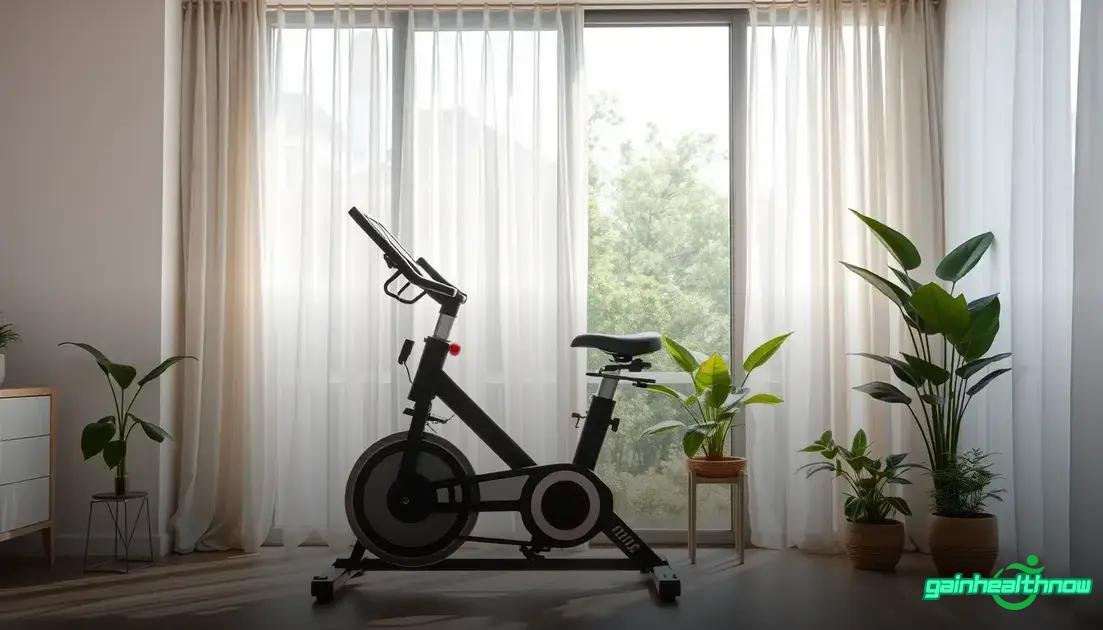
Bodyweight exercises are an excellent way to build strength and endurance without the need for any equipment. They can be performed anywhere, making them ideal for home workouts.
Some of the best bodyweight exercises include push-ups, squats, lunges, planks, and burpees. Push-ups target the upper body, working the chest, shoulders, and triceps, while squats and lunges engage the lower body muscles, including the quads, hamstrings, and glutes.
Planks are fantastic for building core stability, and burpees combine strength and cardio in one dynamic movement.
These exercises can be easily modified to match your fitness level, allowing beginners and advanced athletes alike to benefit from an effective bodyweight workout routine.
Incorporating a variety of these exercises can help you achieve well-rounded fitness and burn calories efficiently at home.
Cardio Workouts You Can Do Without Equipment
Cardio workouts can effectively elevate your heart rate and improve your cardiovascular fitness without the need for any equipment. Some excellent options for cardio exercises at home include jumping jacks, high knees, mountain climbers, and dancing.
Jumping jacks are a full-body workout that enhances endurance, while high knees focus on speed and agility, engaging your core and lower body. Mountain climbers provide strength and cardio benefits as they target multiple muscle groups and increase heart rate. Additionally, dancing is a fun way to get your heart pumping and can easily be done in your living room.
These workouts can be tailored to fit any fitness level and can be performed in short bursts or longer sessions for maximum calorie-burning benefits. Regularly incorporating these bodyweight cardio exercises into your routine will keep you fit and healthy while working out at home.
Strength Training to Burn Calories at Home
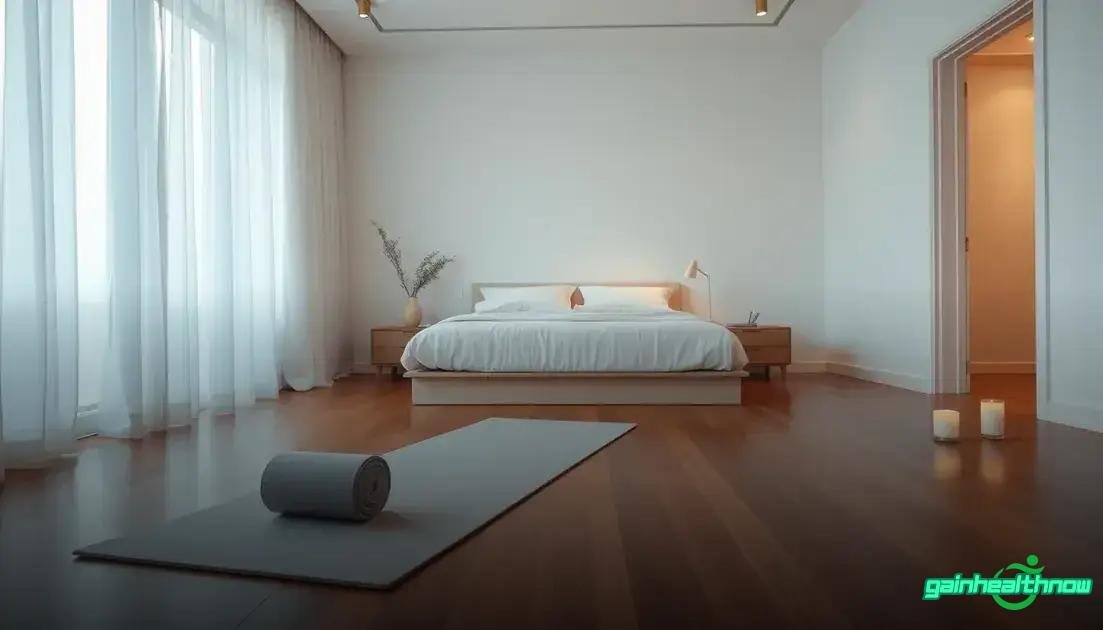
Strength training is a crucial component of any effective fitness regimen, especially when it comes to burning calories at home. By incorporating resistance exercises into your routine, you can build muscle, which in turn boosts your resting metabolic rate. This means that even while at rest, your body will burn more calories than it would without additional muscle mass.
You can engage in strength training exercises using bodyweight movements like push-ups, squats, and lunges, or utilize household items such as water bottles or backpacks filled with books as weights. These exercises not only help tone muscles but also improve overall strength and endurance.
Creating a Balanced Routine
Creating a balanced strength training routine that targets all major muscle groups will enhance your ability to burn calories efficiently, helping you achieve your weight loss goals while working out at home.
Exploring Dance Workouts for Fun and Fitness
Exploring Dance Workouts for Fun and Fitness
Dance workouts are a fantastic way to combine fun and fitness, offering an exhilarating way to get your heart pumping and your body moving. These workouts typically involve choreography and rhythm, which help you improve coordination while burning calories.
Styles such as Zumba, hip-hop, and even ballet-inspired workouts can be easily followed at home with online classes or tutorials. The energetic movements not only engage multiple muscle groups, but they also boost your mood and can reduce stress.
By turning exercise into a joyful experience, dance workouts can make staying active feel less like a chore and more like a celebration. Additionally, they can be tailored to suit any skill level, making them accessible and enjoyable for everyone looking to add variety to their home fitness routine.
Yoga and Pilates: Low-Impact Calorie Burners
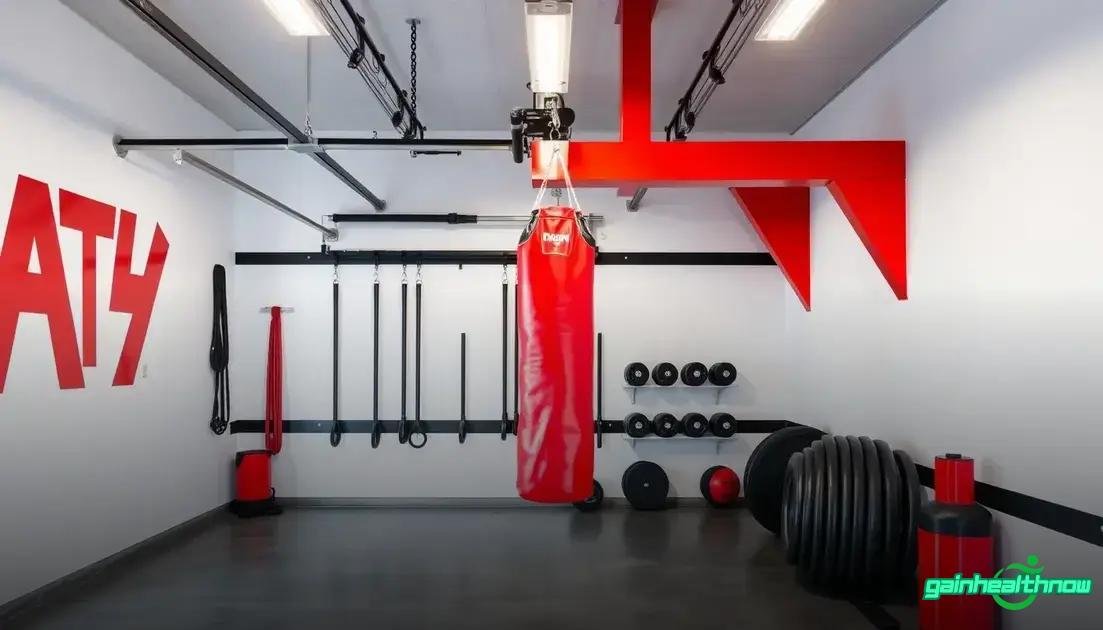
Yoga and Pilates: Low-Impact Calorie Burners
Yoga and Pilates are excellent low-impact exercises that can effectively burn calories while promoting flexibility, strength, and mindfulness. Both practices emphasize controlled movements and breath awareness, making them suitable for individuals of all fitness levels.
Yoga involves various poses and sequences that strengthen muscles and enhance balance, while Pilates focuses on core strength and stability through mat exercises and specialized equipment. Although they may not burn as many calories as high-intensity workouts, they provide unique benefits like improved posture, reduced stress levels, and enhanced mental well-being.
Incorporating yoga and Pilates into your home workout routine can complement more vigorous exercises and contribute to overall calorie expenditure while fostering a sense of relaxation and focus. Regular practice can also lead to increased body awareness and better alignment, making these practices valuable additions to any fitness regimen.
Creating a Balanced Home Exercise Routine
Developing a balanced home exercise routine is essential for achieving overall fitness and maintaining motivation. A well-rounded program should include a mix of cardiovascular, strength training, flexibility, and balance exercises.
Start by scheduling cardio workouts, such as brisk walking, dancing, or HIIT, at least 3-4 times a week to improve heart health and endurance.
Incorporate strength training exercises using bodyweight or household items 2-3 times each week to build muscle and boost metabolism.
Don’t forget to include flexibility and balance workouts, such as yoga or Pilates, to enhance mobility and prevent injuries.
Setting aside specific days for each type of workout can help you stay organized and committed. Additionally, ensure you listen to your body and allow for rest days to encourage recovery.
By creating a diverse and balanced exercise routine, you will maximize your efforts and enjoy the benefits of working out at home.
Tips for Staying Motivated While Exercising at Home
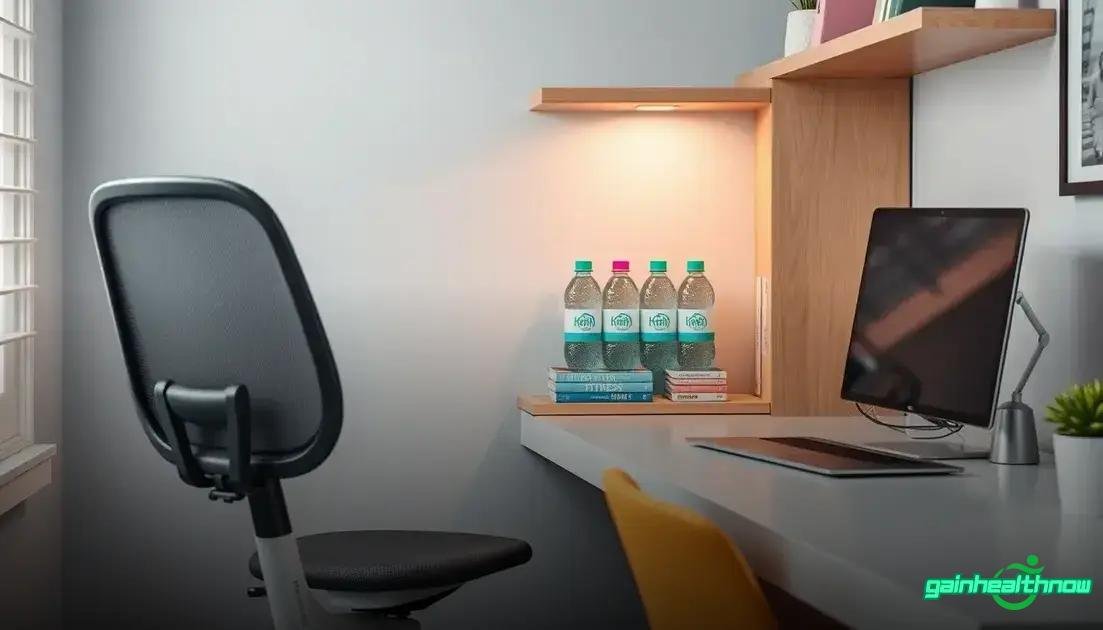
Staying motivated to exercise at home can sometimes be challenging, but there are several strategies to keep your momentum going. First, set clear and achievable goals to give your workouts purpose and direction. Create a designated workout space that is free from distractions, making it easier to focus on your fitness. Establish a consistent schedule by picking specific days and times for your workouts, just as you would for any other commitment.
Additionally, consider joining online fitness communities or workout classes to create accountability and camaraderie. Incorporating variety into your exercise routine can also help prevent boredom; try new exercises or workout styles to keep things fresh. Lastly, remember to celebrate your progress, no matter how small, and reward yourself for reaching milestones to maintain enthusiasm and commitment to your fitness journey.
Tracking Your Progress: Tools and Techniques
Tracking your progress is vital for staying motivated and making informed adjustments to your fitness routine. There are various tools and techniques available to help you monitor your workouts and achievements.
One popular method is using fitness apps that allow you to log exercises, track calories burned, and set goals. Many of these apps offer features like progress photos and workout reminders to keep you accountable.
Alternatively, a simple notebook or journal can be effective for recording daily workouts, noting how you feel, and marking milestones.
Wearable Fitness Trackers
Wearable fitness trackers are also excellent tools, providing real-time data on your activity levels, heart rate, and sleep quality.
Setting regular check-ins, such as weekly or monthly assessments, can help you evaluate your progress and make necessary adjustments to your routine.
By actively tracking your fitness journey, you can celebrate your successes and stay engaged toward achieving your goals.
Safety Tips for Home Workouts
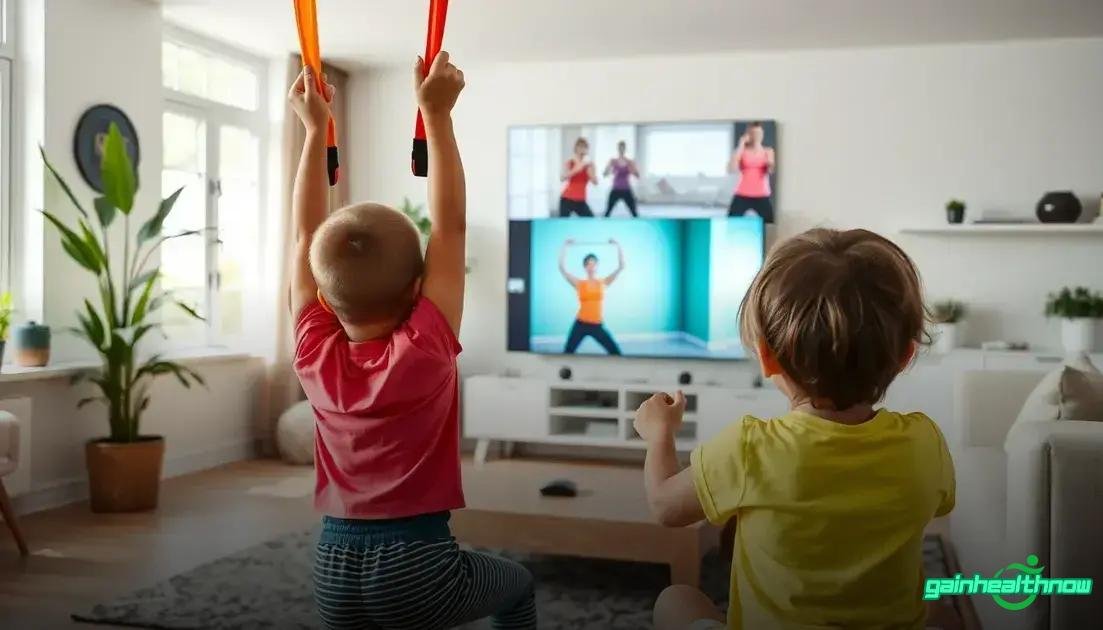
Safety should always be a priority when exercising at home to prevent injuries and ensure a positive workout experience.
First, ensure your workout space is clear of any obstructions or tripping hazards. Use a mat or soft surface if you’re performing exercises that involve jumping or lying down to provide cushioning.
Start each workout with a proper warm-up to prepare your body and reduce the risk of strains or sprains. Make sure to use proper form during exercises to avoid injury; consider watching instructional videos or taking online classes to learn correct techniques.
Listen to your body and modify exercises as needed; if something feels wrong or painful, stop and reassess.
Finally, stay hydrated and maintain a balanced diet to support your fitness routine.
By following these safety tips, you can create a secure and effective home workout environment that promotes long-term health and fitness.
In conclusion, creating an effective home workout regimen that focuses on burning calories requires a comprehensive approach that includes a mix of cardio, strength training, and flexibility exercises.
By incorporating high-intensity interval training (HIIT), bodyweight movements, engaging in dance workouts, and utilizing low-impact options like yoga and Pilates, you can achieve your fitness goals while enjoying your routine.
It’s essential to stay motivated, track your progress, and prioritize safety to ensure a successful and sustainable fitness journey.
With dedication and a well-balanced approach, you can transform your home into a personal fitness sanctuary and enjoy all the benefits of staying active.
Frequently Asked Questions about Home Workouts
What are the best exercises for burning calories at home?
Some of the best exercises include HIIT, bodyweight exercises, dance workouts, and cardio activities like jumping jacks and high knees.
How often should I work out at home?
Aim for at least 150 minutes of moderate-intensity aerobic activity per week, along with strength training 2-3 times per week.
Do I need equipment for home workouts?
No, many effective workouts can be done with just your body weight. You can also use household items for added resistance.
How can I stay motivated to exercise at home?
Set achievable goals, create a dedicated workout space, establish a routine, and consider joining online fitness classes for accountability.
What safety tips should I follow during home workouts?
Clear your workout space, use proper form, start with a warm-up, and listen to your body to prevent injuries.
How can I track my progress while working out at home?
Use fitness apps, keep a workout journal, or wear a fitness tracker to monitor your workouts and achievements.
What are the benefits of incorporating yoga and Pilates?
Both practices promote flexibility, core strength, and stress reduction, making them excellent low-impact additions to your routine.
