-

- Health and Beauty
- “Glow from Within: Plant-Based Diet Benefits for Health”
 Return blog
“Glow from Within: Plant-Based Diet Benefits for Health”
-
 Maria Duarte
-
 8, janeiro, 2025
Topics
 Shared


A plant-based diet isn’t just a trend; it’s a powerful lifestyle choice that can transform overall health.
Embracing a variety of fruits, vegetables, nuts, and grains as the main components of your meals not only supports heart health and weight management but also boosts energy levels and strengthens the immune system.
This diet’s essential benefits include reducing the risk of chronic diseases and promoting better mental health.
Read on to explore how transitioning to a plant-based diet could enhance your well-being.
Introduction to Plant-Based Diets
The introduction to plant-based diets involves understanding the foundation of this nutritional approach. A plant-based diet primarily focuses on foods derived from plants, including fruits, vegetables, nuts, seeds, oils, whole grains, legumes, and beans.
Unlike vegetarianism or veganism, which restrict specific animal products, a plant-based diet emphasizes whole, unprocessed plant foods while allowing for varying degrees of animal product consumption. More individuals are adopting this dietary pattern due to its numerous health benefits and potential environmental impact.
Research indicates that this style of eating can increase nutrient intake, promote weight loss, and reduce the risk of chronic illnesses.
Key Nutritional Benefits
A plant-based diet offers several key nutritional benefits that can enhance overall health.
Firstly, this diet is typically rich in vitamins, minerals, and antioxidants. Foods such as fruits and vegetables provide essential nutrients that play a crucial role in bodily functions.
Secondly, plant-based diets are high in dietary fiber, which aids digestion and promotes gut health. Fiber helps to regulate blood sugar levels and lower cholesterol.
Additionally, these diets are often lower in saturated fats compared to meat-based diets, reducing the risk of heart disease.
They can also help in maintaining a healthy weight due to lower calorie density.
Overall, a plant-based diet supports optimal nutrition and can lead to lasting health improvements.
Impact on Heart Health
Plant-based diets can have a significant impact on heart health. Research indicates that individuals who follow a plant-based eating pattern often experience lower blood pressure and reduced cholesterol levels.
Foods rich in omega-3 fatty acids, such as flaxseeds and walnuts, contribute positively to cardiovascular health. Additionally, the abundance of fiber found in whole grains, fruits, and vegetables helps to lower bad cholesterol (LDL) and improve overall heart function.
Benefits of Plant-Based Diets
These diets are also associated with reduced inflammation, which plays a vital role in heart disease. By incorporating a variety of plant foods into daily meals, individuals can support their heart health and reduce the risk of serious cardiovascular issues.
Weight Management and Energy Levels
Maintaining a healthy weight is often easier with a plant-based diet. Foods such as fruits, vegetables, and whole grains are naturally low in calories and high in nutrients, which can help individuals feel full while consuming fewer calories.
The high fiber content in these foods aids digestion and supports a feeling of satiety. Moreover, a plant-based approach can enhance energy levels.
Benefits of a Plant-Based Diet
By providing the body with quality nutrients, individuals can experience sustained energy throughout the day. This diet fuels workouts and daily activities effectively, making it a great option for those looking to manage weight while keeping energy levels high.
Digestive Health Improvements
A plant-based diet significantly improves digestive health. Foods rich in fiber, such as fruits, vegetables, and whole grains, promote regular bowel movements and prevent constipation.
Fiber helps to feed beneficial gut bacteria, enhancing overall gut health. Additionally, a variety of plant-based foods are packed with enzymes that aid in digestion.
Benefits of a Plant-Based Diet
By reducing processed foods and fats, this diet allows the digestive system to function more efficiently. Incorporating legumes and fermented foods, such as yogurt made from plants, can further support digestive wellness.
Overall, a plant-based approach fosters a healthy gut and promotes better digestive function.
Boosting Immune System
A plant-based diet can play a significant role in boosting the immune system. This eating approach emphasizes foods rich in vitamins, minerals, and antioxidants that support immune function.
For example, fruits and vegetables, such as citrus fruits, berries, and leafy greens, are packed with vitamin C and other immune-boosting nutrients.
Additionally, nuts and seeds provide essential fatty acids, while legumes deliver protein and fiber, both important for maintaining a healthy immune response.
Whole plant foods
also promote the growth of beneficial gut bacteria, crucial for a well-functioning immune system.
By incorporating a variety of these foods, individuals can enhance their body’s natural defenses against illness and infection.
Reducing Chronic Disease Risk
A plant-based diet is effective in reducing chronic disease risk. Research shows that individuals who eat more plant foods tend to have lower incidences of heart disease, diabetes, and certain cancers.
The rich nutrients found in whole grains, fruits, and vegetables help combat inflammation in the body. This is particularly important, as chronic inflammation is linked to various diseases.
Benefits of Plant-Based Foods
Foods high in antioxidants, such as berries and leafy greens, protect the body from oxidative stress. Furthermore, replacing red and processed meats with legumes and nuts contributes to better overall health.
By embracing this diet, individuals can make significant strides in decreasing their risk of developing chronic illnesses.
Mental Health and Cognitive Function
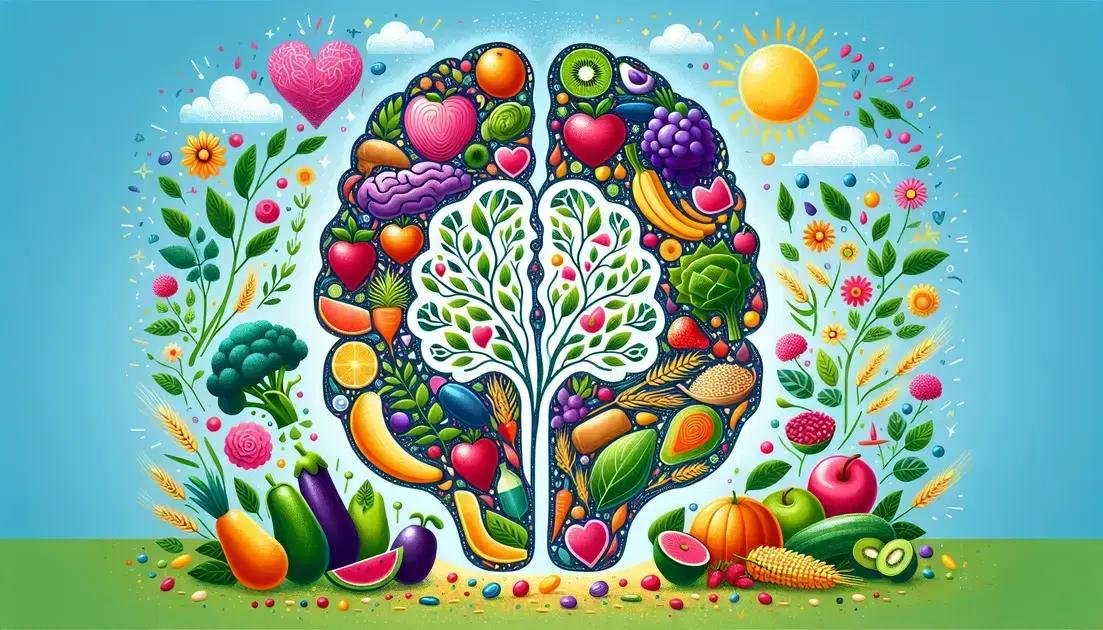
Eating a plant-based diet can positively influence mental health and cognitive function. Studies show that this diet is linked to lower rates of depression and anxiety.
Foods such as fruits, vegetables, nuts, and seeds provide essential nutrients like omega-3 fatty acids, which are important for brain health. These nutrients promote better mood regulation and cognitive performance.
Benefits of Plant-Based Foods
Additionally, the antioxidants found in various plant foods help to reduce oxidative stress, which can damage brain cells. Incorporating a diverse array of colorful vegetables and fruits into meals supports overall brain function and mental clarity.
Sustainability and Environmental Impact
A plant-based diet significantly contributes to sustainability and has a positive environmental impact.
By focusing on plant foods, individuals can reduce their carbon footprint.
Animal agriculture is a leading cause of greenhouse gas emissions.
In contrast, growing fruits, vegetables, and grains typically requires less energy and water.
Choosing a diet rich in plants helps conserve water resources and protect biodiversity.
Moreover, less land is needed for crops compared to raising livestock.
By embracing a plant-based lifestyle, people can not only improve their health but also support a healthier planet.
Common Myths Debunked
There are many common myths about plant-based diets that can mislead those considering this lifestyle.
One prevalent myth is that plant-based diets lack sufficient protein. In reality, foods like lentils, beans, tofu, and quinoa are excellent protein sources.
Another myth is that eliminating animal products means missing out on essential nutrients. However, a well-planned plant-based diet can provide all necessary nutrients, including iron, calcium, and vitamin B12, often found in fortified foods or supplements.
Additionally, some believe that plant-based diets are too restrictive and boring. In fact, these diets offer a wide variety of flavors and culinary options, making meals exciting and diverse.
Understanding these myths is crucial for helping individuals make informed dietary choices.
Practical Tips to Transition
Transitioning to a plant-based diet can be a rewarding process. Here are some practical tips to make the shift easier.
Start by gradually incorporating more plant foods into your meals. Focus on adding a variety of fruits, vegetables, whole grains, and legumes. Experiment with new recipes to keep meals exciting.
When dining out, choose vegetarian or vegan options if available. Meal prepping can also assist in sticking to your new diet. Prepare snacks and meals ahead of time to avoid unhealthy choices.
It’s important to educate yourself about plant-based nutrition to ensure you meet all your dietary needs. Lastly, consider joining a community or support group for motivation and tips from others on the same journey.
Frequently Asked Questions
Many people have questions about adopting a plant-based diet. Here are some frequently asked questions.
1. What do I eat on a plant-based diet? You can enjoy fruits, vegetables, whole grains, legumes, nuts, and seeds.
2. Do I need to take supplements? While a well-planned plant-based diet can meet most needs, some may benefit from vitamin B12 and vitamin D supplements.
3. Will I get enough protein? Yes! Foods like beans, lentils, tofu, and quinoa are excellent protein sources.
4. Can I still eat out? Absolutely! Many restaurants offer plant-based options.
5. How do I start? Begin by gradually incorporating more plant foods into your meals and finding recipes you enjoy.
Conclusion
In summary, adopting a plant-based diet can lead to numerous benefits for overall health, including improved heart health, better weight management, enhanced digestive function, and stronger immunity.
By focusing on a variety of whole foods, individuals not only nourish their bodies but also contribute positively to the environment.
As more myths are debunked and practical tips are shared, it becomes clear that transitioning to this lifestyle is both achievable and rewarding.
FAQ – Plant-Based Diet Basics
What do I eat on a plant-based diet?
You can enjoy fruits, vegetables, whole grains, legumes, nuts, and seeds.
Do I need to take supplements?
While a well-planned plant-based diet can meet most needs, some may benefit from vitamin B12 and vitamin D supplements.
Will I get enough protein?
Yes! Foods like beans, lentils, tofu, and quinoa are excellent protein sources.
Can I still eat out?
Absolutely! Many restaurants offer plant-based options.
How do I start?
Begin by gradually incorporating more plant foods into your meals and finding recipes you enjoy.
