-

- Weight Loss
- “Hydration: Your Secret Weapon for Weight Loss Success!”
 Return blog
“Hydration: Your Secret Weapon for Weight Loss Success!”
-
 Maria Duarte
-
 8, janeiro, 2025
Topics
 Shared


Staying hydrated is more than just quenching thirst; it’s vital for overall health and plays a pivotal role in weight loss and fitness.
The role of hydration in weight loss and fitness is often undervalued, yet it impacts metabolism, energy levels, and physical performance significantly.
Understanding how water influences your body can empower your fitness journey, making hydration an indispensable element of your routine.
Dive into our essential insights and learn how excellent hydration can transform your health approach today.
Understanding Hydration and Its Importance
Hydration is vital for maintaining health. When we talk about hydration, we refer to the balance of fluids in our body. Water makes up about 60% of our body weight, and it’s essential for numerous functions such as regulating body temperature, keeping joints lubricated, and transporting nutrients. Proper hydration can improve overall health, enhance physical performance, and even support weight management.
Water plays a crucial role in almost every bodily function. It aids digestion by breaking down food for nutrient absorption. Water is involved in cellular functions, waste removal, and maintaining blood pressure. Without adequate water intake, our bodies cannot perform optimally.
Staying hydrated can significantly boost metabolism. When the body is well-hydrated, it can process and burn calories more efficiently. Dehydration can lead to a slower metabolism, making weight loss more difficult. Drinking water before meals can also lead to reduced calorie intake.
There is a strong link between drinking enough water and losing weight. People who consume adequate water often find it easier to manage their weight. Water can help curb appetite and prevent overeating. Additionally, substituting water for calorie-laden drinks lowers overall caloric consumption.
Proper hydration enhances athletic performance. It can prevent fatigue, improve endurance, and reduce the risk of injury. When exercising, hydration helps to maintain energy levels and increases strength and stamina, allowing for better workouts.
Recognizing dehydration is crucial during physical activity. Common signs include thirst, dry mouth, fatigue, dizziness, and dark-colored urine. If you experience these symptoms, it’s essential to drink water immediately to avoid compromising your performance.
The amount of water each person needs can vary greatly depending on activity level, climate, and body size. A general guideline is to drink at least half your body weight in ounces daily. For those engaging in intense exercise, increasing this amount is advisable.
Foods can also contribute to hydration. Fruits like watermelon, oranges, and cucumbers have high water content and can help keep you hydrated. Incorporating these into meals can enhance your hydration levels.
Several myths surround hydration. One common myth is that only water counts towards hydration. In truth, other beverages and foods also contribute. Another myth is that hydration isn’t necessary unless you’re thirsty. Staying hydrated throughout the day is essential, even before feeling thirsty.
To maintain hydration during workouts, consider drinking water before, during, and after exercise. Carrying a water bottle can serve as a reminder to drink regularly. Setting specific hydration goals can also help.
Athletes can benefit from various hydration solutions beyond water. Electrolyte drinks can restore balance post-workout. Smart water bottles that track fluid intake are useful tools for keeping hydration in check.
Hydration strategies may differ based on fitness goals. For weight loss, drinking water before meals helps curb hunger. For endurance athletes, consistent hydration during exercise is key to performance. Understanding your specific needs can guide effective hydration practices.
How Water Affects Body Functions

Water is essential for our body to function properly. Every cell in the body requires water to perform its tasks.
Water helps regulate body temperature, especially during exercise. It acts as a cushion for vital organs and joints, helping to prevent injuries. During digestion, water aids in breaking down food, making nutrients easier to absorb.
Furthermore, water supports the body’s detoxification processes. The kidneys need adequate hydration to filter waste from the blood. Without enough water, the body’s waste elimination can slow down, leading to health issues.
In summary, proper hydration keeps our bodily systems running smoothly, ensures effective nutrient transportation, and maintains overall health.
Hydration’s Impact on Metabolism
Hydration plays a significant role in metabolism.
Water is vital for the body’s ability to convert food into energy. When you are dehydrated, your metabolism can slow down, making it harder to burn calories.
Adequate fluid intake helps optimize metabolic processes, which is crucial for weight management.
Research shows that drinking water can temporarily increase metabolism by up to 30% for about 30-40 minutes. This process, known as thermogenesis, helps the body burn more calories.
Furthermore, staying hydrated can prevent fatigue and keep energy levels high, enabling more effective workouts.
Finally, proper hydration supports muscle function and recovery, both of which are essential for maintaining an efficient metabolism and achieving weight loss goals.
The Connection Between Hydration and Weight Loss
Hydration plays a crucial role in weight loss. When we drink enough water, our bodies can function more efficiently.
Water helps control appetite, as it can create a sensation of fullness. This can lead to consuming fewer calories. Studies show that drinking water before meals may reduce the number of calories consumed overall.
Furthermore, being well-hydrated assists in maintaining a healthy metabolism. Dehydration can slow down metabolic processes, making it harder to lose weight. Water also aids in metabolizing stored fat, leading to more effective weight loss efforts.
In addition, replacing sugary drinks with water can significantly lower calorie intake. It is essential to stay mindful of hydration during workouts, as proper hydration can enhance performance and promote better fat burning.
In summary, maintaining adequate hydration not only supports overall health but also plays a vital part in achieving effective weight loss.
Fitness Benefits of Staying Hydrated
Staying hydrated is essential for fitness and overall health. Hydration contributes to optimal performance during workouts, helping maintain energy levels. Even mild dehydration can lead to fatigue, reduced coordination, and slower reaction times.
During exercise, body temperature rises, and sweating occurs to cool down. When you drink enough water, you can regulate your body temperature more effectively, which prevents overheating. Additionally, proper hydration helps lubricate joints, reducing the risk of injuries during physical activity.
Hydration also supports muscle function. Water assists in nutrient transport to muscles and aids in recovery post-exercise. Research indicates that athletes who maintain hydration experience increased strength and endurance.
Including hydration in your fitness regimen can improve overall workout effectiveness. Make it a habit to drink water before, during, and after activities to maximize benefits and enhance your fitness journey.
Signs of Dehydration During Exercise
Recognizing the signs of dehydration during exercise is crucial for maintaining health and performance.
Common symptoms include excessive thirst, dry mouth, and decreased urine output. Additionally, you may experience fatigue, dizziness, or headaches, which can hinder your ability to perform.
As dehydration progresses, physical abilities decline. Muscle cramps may occur, and your heart rate can increase. You may also feel disoriented or fatigued more quickly than usual. Monitoring your hydration levels is important, especially in hot or humid conditions.
To prevent dehydration, always carry water and drink regularly before, during, and after workouts. Understanding these signs can help you stay on track and avoid serious complications associated with dehydration.
Optimal Water Intake for Active Individuals
For active individuals, proper hydration is crucial for performance and recovery.
Water intake can vary based on several factors, including exercise intensity, duration, and environmental conditions. Generally, it is recommended to consume at least half of your body weight in ounces of water each day. For example, if you weigh 150 pounds, aim for at least 75 ounces of water daily.
During exercise, it is essential to hydrate before, during, and after your activity. Aim to drink 16-20 ounces of water two hours before exercising. While working out, try to consume 7-10 ounces every 10-20 minutes to maintain optimal hydration levels.
Post-workout, continue to hydrate to replenish fluids lost through sweat. Adjust your intake based on the climate; hotter conditions may require more water. Remember that you can also get hydration from foods like fruits and vegetables, which can contribute to your overall fluid intake.
Being mindful of your hydration habits can significantly impact your health and athletic performance.
Hydrating Foods to Include in Your Diet
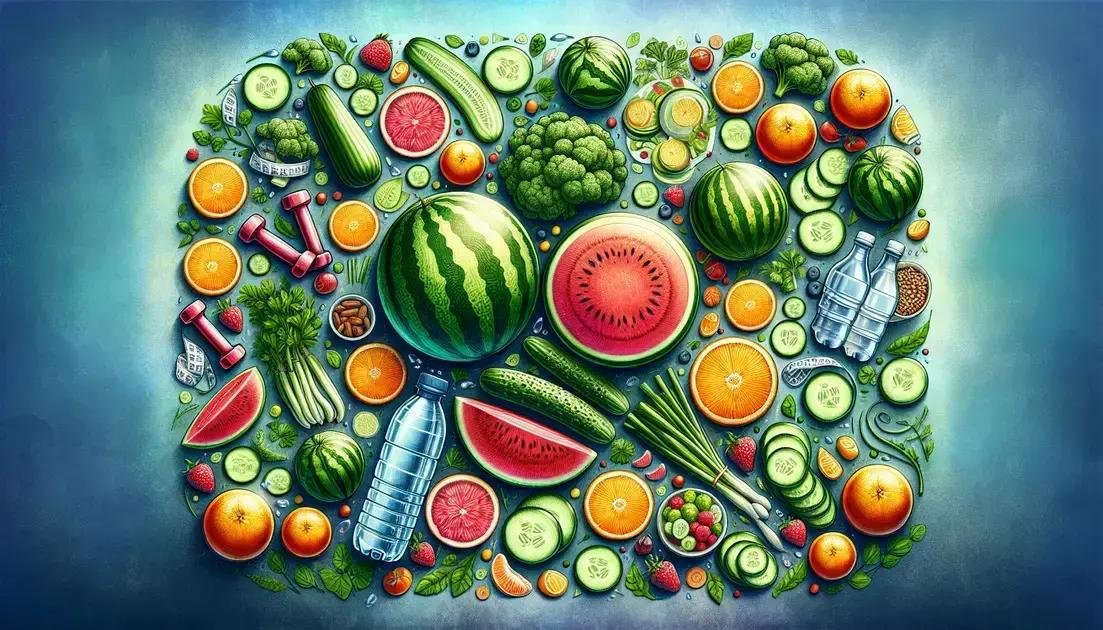
Incorporating hydrating foods into your diet can boost your overall hydration levels.
Fruits and vegetables with high water content are excellent choices. Watermelon, cucumbers, oranges, and strawberries are over 90% water and provide important vitamins as well.
Leafy greens like spinach and lettuce also contain significant amounts of water and can be easily added to salads and smoothies.
Additionally, soups and broths can be great sources of hydration. They not only hydrate but can also provide necessary nutrients when made with vegetables and lean proteins.
Greek yogurt is another hydrating food that offers protein and probiotics for gut health.
Include these hydrating foods throughout your day to help meet your hydration needs and enhance your overall well-being.
Common Myths About Hydration and Fitness
There are many myths surrounding hydration and fitness that can lead to misunderstandings. One common myth is that you only need to drink water when you feel thirsty. In reality, by the time you feel thirsty, your body is already showing signs of dehydration.
Another myth is that caffeinated beverages dehydrate you. While caffeine is a mild diuretic, moderate consumption of coffee or tea does not significantly contribute to dehydration when consumed as part of a balanced diet.
Additionally, some believe that athletes do not need extra water if they are not sweating heavily. However, staying hydrated is crucial for optimal performance, regardless of visible sweat.
Another misconception is that drinking eight glasses of water a day is suitable for everyone. Fluid needs vary by individual based on activity level, climate, and health status.
Understanding these myths can help individuals make informed decisions about their hydration and fitness routines.
Tips for Staying Hydrated During Workouts
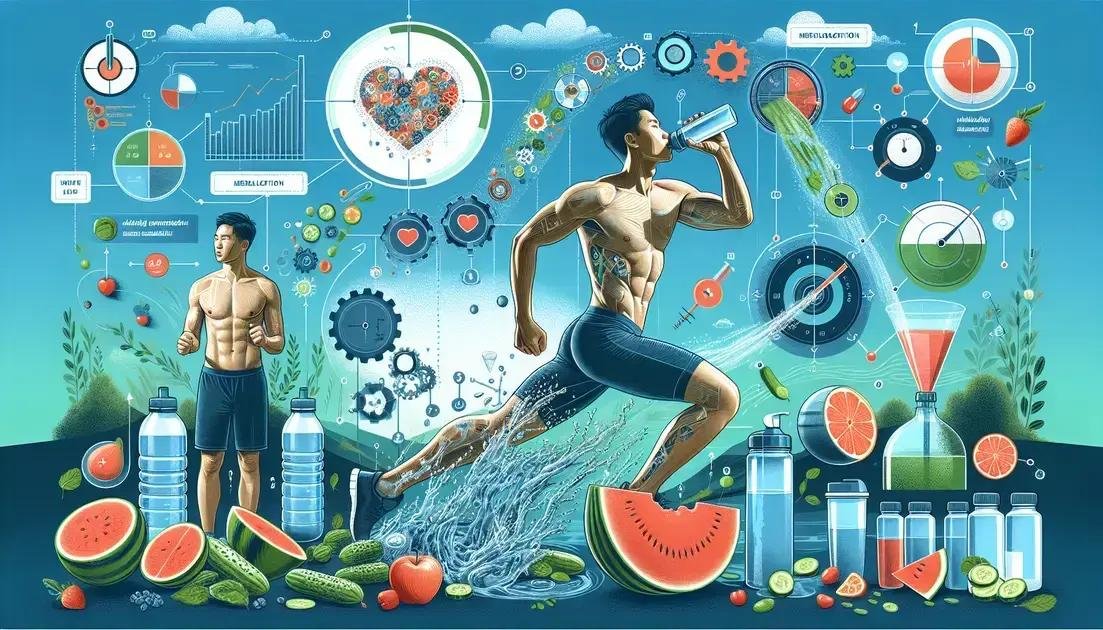
Staying hydrated during workouts is essential for performance and safety.
Begin hydrating before your workout. Drink water 30 minutes before starting to prepare your body.
During exercise, aim to drink about 7-10 ounces of water every 10-20 minutes. Choose a water bottle that is easy to carry and access while moving.
If you’re exercising for longer than an hour, consider a drink that replaces electrolytes lost in sweat.
After your workout, rehydrate to restore fluid balance; aim for at least 16-24 ounces of water for every pound lost during exercise.
Listen to your body; if you feel thirsty, it’s crucial to drink.
Keeping track of your hydration before, during, and after workouts can help improve overall physical performance and recovery.
Innovative Hydration Solutions for Athletes
Athletes often require advanced hydration solutions to maximize performance.
Electrolyte drinks are popular for replenishing vital minerals lost through sweat. These beverages contain sodium, potassium, and magnesium, which help maintain fluid balance and endurance.
Portable hydration packs are useful for long training sessions. They allow athletes to drink hands-free while on the move.
Smart water bottles with integrated technology can track hydration levels and remind users to drink more water throughout the day.
Coconut water is also a natural option; it is rich in electrolytes and lower in sugar compared to many sports drinks.
Additionally, gels and chews are convenient options for hydration during endurance events.
Overall, adopting innovative hydration solutions can significantly improve athletic performance and recovery.
Hydration Strategies for Different Fitness Goals
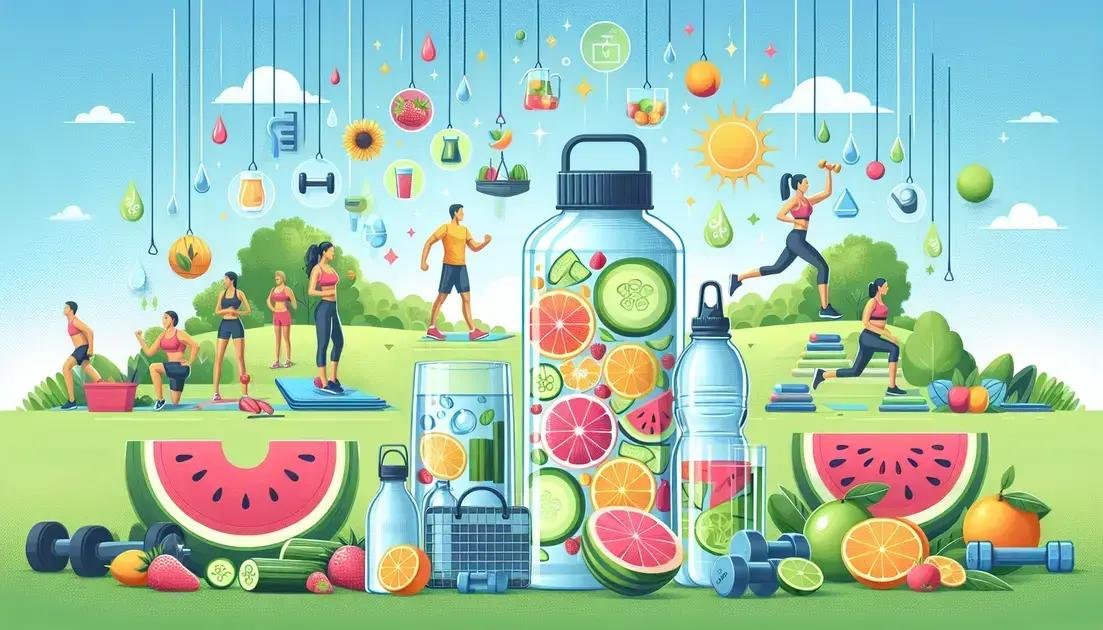
Hydration strategies can vary based on individual fitness goals. For those looking to lose weight, drinking water before meals can help curb appetite and reduce overall calorie intake. Aiming for consistent hydration throughout the day can enhance metabolic rates when trying to shed pounds.
For athletes focused on endurance, it’s essential to maintain hydration levels before, during, and after long training sessions. Sports drinks that contain electrolytes can be beneficial during prolonged exertion to replace lost minerals.
If muscle building is the goal, proper hydration supports muscle recovery and function. Drinking water aids in the efficient transport of nutrients to cells, enhancing recovery times.
In strength training, staying hydrated helps prevent fatigue and improves performance during workouts. Using the right hydration plan helps tailor your approach to best support each specific fitness goal, whether it’s weight loss, endurance, or muscle gain.
Conclusion
Hydration is crucial for overall health and fitness. Proper fluid intake supports various bodily functions, enhances physical performance, and aids in weight management.
Understanding the importance of hydration and implementing effective strategies can help individuals achieve their fitness goals.
By staying informed and incorporating hydrating foods, athletes and active individuals can optimize their performance and ensure a healthier lifestyle.
Frequently Asked Questions about Hydration
Why is hydration important for weight loss?
Hydration helps control appetite and boosts metabolism, making it easier to manage weight.
How does hydration affect athletic performance?
Proper hydration improves energy levels, reduces fatigue, and maintains stamina during workouts.
What are the signs of dehydration during exercise?
Thirst, dry mouth, fatigue, dizziness, and dark urine are common signs of dehydration.
How much water should active individuals drink daily?
A general guideline is to drink at least half your body weight in ounces, plus additional water during exercise.
Is it true that you can only hydrate with water?
No, other beverages and hydrating foods, like fruits and vegetables, also contribute to your hydration.
Why are electrolytes important for hydration?
Electrolytes help maintain fluid balance and support nerve and muscle function during exercise.
