-

- Health and Beauty
- “Transform Your Health: Weight-Loss Drugs Unveiled!”
 Return blog

“Transform Your Health: Weight-Loss Drugs Unveiled!”
-
 Lucas Souza
-
 11, janeiro, 2025
Topics
 Shared


Exploring weight-loss drugs and medications can be essential for those struggling with conventional methods.
These drugs offer potential solutions, but it’s vital to understand their operation and effects.
Our guide helps demystify weight-loss medications, focusing on practical benefits, possible side effects, and the importance of professional consultation overall.
Dive deep into how these options fit into a balanced weight-loss strategy.
Introduction to Weight-loss Drugs
Weight-loss drugs are specialized medications aimed at assisting individuals in losing weight. These pharmaceutical options can provide the necessary support for people who have struggled with traditional dieting and exercise.
Understanding these drugs is essential to making informed decisions on whether they can work for you.
How Do Weight-loss Medications Work?
 Weight-loss medications work by altering the way your body processes food and regulates hunger.
These drugs can suppress appetite, increase feelings of fullness, or reduce the absorption of fat.
Some medications affect brain chemicals that control hunger. Others may target hormones linked to appetite regulation, helping to decrease cravings.
While the exact method varies by drug class, the goal remains the same: to create a calorie deficit and foster weight loss.
Benefits of Weight-loss Drugs
Weight-loss drugs offer several advantages that can help individuals meet their weight management goals.
One significant benefit is the potential for rapid weight loss, which can motivate individuals to stick to their health plans.
Additionally, these medications can help improve related health conditions such as diabetes, high blood pressure, or sleep apnea.
Using weight-loss drugs can enhance overall well-being and boost self-esteem, making it easier to maintain a healthy lifestyle.
Moreover, they can jumpstart progress for those who have struggled to lose weight through diet and exercise alone.
Ultimately, when combined with a healthy lifestyle, weight-loss medications can serve as a valuable tool in achieving long-term success.
Potential Side Effects
 While weight-loss drugs can be effective, they also come with potential side effects that users should be aware of.
Common side effects may include nausea, vomiting, diarrhea, constipation, and increased heart rate.
These adverse reactions vary depending on the specific medication. Some individuals may experience more severe reactions, such as changes in mood or behavior, allergic reactions, and increased risk of heart problems.
It is essential to monitor your body’s response and consult with a healthcare provider if any severe symptoms occur.
Understanding these side effects can help individuals make informed decisions about using weight-loss medications safely and effectively.
Prescription vs. Over-the-counter Options
Weight-loss medications can be classified into two main categories: prescription and over-the-counter (OTC) options.
Prescription medications are typically available through healthcare providers and are tailored to individual health needs. These drugs often have stricter regulations and may require monitoring by a doctor.
On the other hand, over-the-counter weight-loss products can be purchased without a prescription. While they might be more accessible, they often contain ingredients that are less potent than prescription drugs.
Each option has its pros and cons. Prescription drugs may offer more significant results but could include more side effects. OTC options can be easier to obtain but may not be effective for everyone. Understanding these differences can help individuals make informed choices about their weight-loss journey.
Top Weight-loss Medications Reviewed

Several weight-loss medications are frequently reviewed for their effectiveness and safety. These include options like orlistat, which works by blocking fat absorption, and phentermine, known for its appetite-suppressing properties.
Another popular medication is lorcaserin, which helps increase feelings of fullness. Each drug has different mechanisms and results, making it essential to understand the options available.
Clinical studies and reviews provide insight into their efficacy and side effects. It’s important to consider individual health profiles when evaluating these medications, as what works for one person may not work for another. Consulting healthcare providers ensures tailored advice.
When to Consider Weight-loss Medication
Weight-loss medication can be considered when lifestyle changes alone, such as diet and exercise, have not led to significant weight loss.
Additionally, if an individual has a body mass index (BMI) of 30 or higher, or a BMI of 27 with weight-related health issues like diabetes or hypertension, medication might be appropriate.
Discussing options with a healthcare provider is crucial to ensure that the chosen medication aligns with overall health goals and needs. Monitoring progress and side effects is also vital during treatment.
Role of Diet and Exercise
 Diet and exercise play a crucial role in the effectiveness of weight-loss medications. These drugs are not a standalone solution but work best when combined with healthy lifestyle choices.
A balanced diet rich in fruits, vegetables, whole grains, and lean proteins can enhance the results of weight-loss medications. It helps ensure that the body receives essential nutrients while managing calorie intake.
Regular physical activity is equally important. Engaging in aerobic exercises and strength training can improve metabolism and promote fat loss. Together, diet and exercise create a healthier environment for weight loss, making medications more effective and sustainable.
Choosing the Right Medication for You
Choosing the right weight-loss medication is a personal decision that depends on various factors, including individual health needs and medical history.
It’s important to consider the effectiveness of the medication, how it interacts with other treatments, and any potential side effects.
Consulting a healthcare provider is crucial to evaluate the best options available based on a thorough assessment. They can recommend medications that align with specific health goals and monitor progress to ensure safety and effectiveness.
Myths About Weight-loss Medications
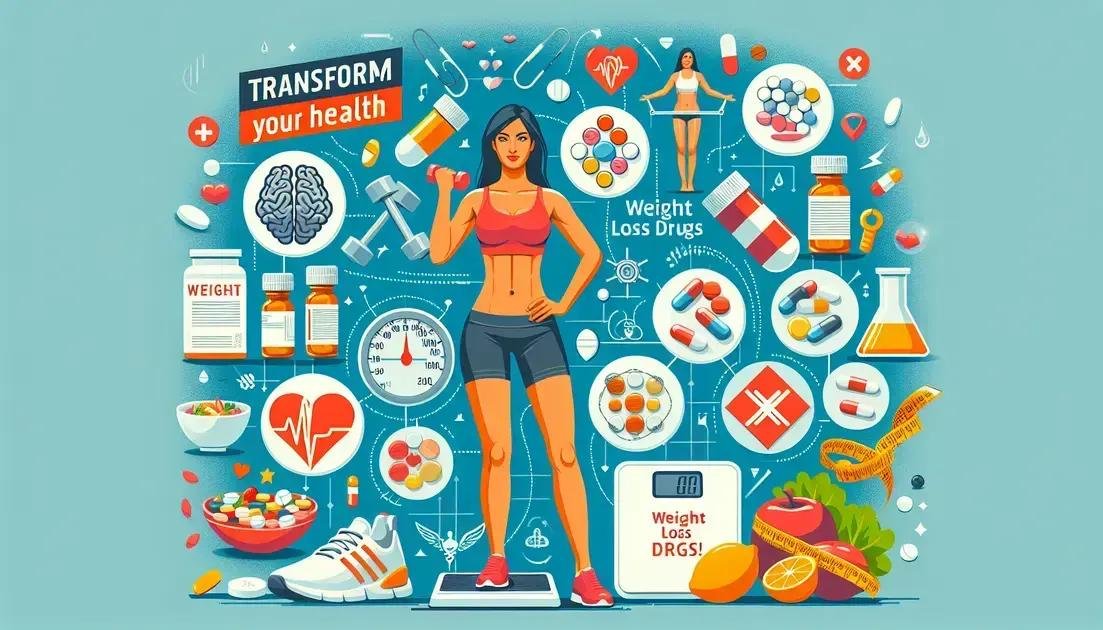
Many myths surround weight-loss medications that can mislead potential users. One common misconception is that these drugs are a miracle solution for weight loss without any effort.
In reality, weight-loss medications are intended to complement a healthy diet and regular exercise. Another myth is that all weight-loss drugs are dangerous and ineffective. While they do have side effects, many medications are safe for those who meet specific health criteria.
Additionally, some people believe that only prescription medications work, overlooking effective over-the-counter options. Understanding these myths is essential for making informed choices about weight-loss strategies.
Long-term Considerations
When considering long-term weight-loss medication use, it is essential to evaluate several factors.
First, think about the sustainability of the medication. Will it help achieve lasting results, or is it a short-term solution? Monitoring health changes over time is crucial during this period.
It’s also important to maintain a healthy lifestyle, including a balanced diet and regular exercise, alongside medication. This dual approach can enhance weight loss and promote overall well-being.
Additionally, regular check-ins with a healthcare provider can help address any concerns and assess the effectiveness of the medication. Understanding how your body responds over the long term can lead to better weight management strategies.
Consulting Healthcare Professionals
 Consulting healthcare professionals is a critical step in the weight-loss journey.
They provide expert advice tailored to individual health needs and goals.
During consultations, patients can discuss various weight-loss medications and options to determine what might work best for their unique situations.
Healthcare providers can also monitor progress, suggest alternative treatments, and help manage any side effects experienced during treatment.
Regular check-ups ensure that the chosen weight-loss strategy remains safe and effective, adjusting plans as necessary based on health changes.
Conclusion
Weight-loss drugs and medications can be effective tools for those struggling with obesity. When combined with a healthy lifestyle, these medications may help individuals achieve their weight-loss goals.
It is essential to understand their benefits, potential side effects, and the importance of consulting healthcare professionals. Making informed decisions will lead to safer and more successful outcomes in the weight-loss journey.
FAQ – Weight-Loss Drugs
What are weight-loss drugs?
Weight-loss drugs are medications designed to assist individuals in losing weight, often by suppressing appetite or blocking fat absorption.
How do weight-loss medications work?
These medications can change how your body processes food, reducing hunger and increasing feelings of fullness.
What are the benefits of weight-loss drugs?
They can provide rapid weight loss, improve health conditions like diabetes, and increase motivation for a healthier lifestyle.
What potential side effects come with weight-loss drugs?
Possible side effects include nausea, constipation, headache, and increased heart rate, among others.
How do I choose between prescription and over-the-counter weight-loss medications?
Prescription medications are usually stronger and require a doctor’s guidance, while OTC options are easier to obtain but may be less effective.
When should I consider using weight-loss medication?
Consider medication if lifestyle changes alone haven’t resulted in significant weight loss and if your BMI is 30 or higher.
What is the role of diet and exercise in conjunction with weight-loss medications?
Diet and exercise enhance the effectiveness of weight-loss medications, promoting better overall health and increased weight loss.
How do I know if I’m choosing the right weight-loss medication?
Consult healthcare professionals who can assess your health profile and recommend suitable options.
What are some common myths about weight-loss medications?
Many believe these medications are miracle solutions or that they are all dangerous, which is not the case.
What should I consider for long-term use of weight-loss medications?
Consider the sustainability of medication, ongoing health monitoring, and maintaining a balanced diet and exercise routine.
How important is it to consult healthcare professionals regarding weight-loss medications?
Consulting healthcare professionals ensures safety, effectiveness, and tailored advice for your weight-loss journey.
