-

- Health and Beauty
- “Master Diabetes: Health Tips for Beauty and Wellness”
 Return blog

“Master Diabetes: Health Tips for Beauty and Wellness”
-
 Lucas Souza
-
 11, janeiro, 2025
Topics
 Shared


Diabetes management and prevention strategies are crucial in today’s world, especially given the rise in diabetes diagnoses.
Understanding the intricacies of the condition, from its various types to recognition of symptoms, provides a foundation for effective control and prevention.
By focusing on a healthy diet and regular exercise, alongside appropriate medications and stress reduction techniques, one can significantly reduce risks associated with diabetes.
Building a robust support network can empower individuals, making the journey towards a healthier lifestyle more achievable.
Understanding Diabetes
Understanding Diabetes
Diabetes is a chronic condition that affects how your body processes glucose. When you have diabetes, your body either does not produce enough insulin or cannot effectively use the insulin it does produce. This leads to elevated blood sugar levels, which can cause serious health complications if not managed properly.
There are two primary types of diabetes: Type 1, where the body cannot produce insulin, and Type 2, which is characterized by insulin resistance. Each type has different causes and management strategies. Recognizing the symptoms and understanding how diabetes works are essential for effective management.
Types of Diabetes

There are two main types of diabetes: Type 1 and Type 2. Type 1 diabetes occurs when the body fails to produce insulin. This type is often diagnosed in children and young adults, which is why it was previously known as juvenile diabetes. Individuals with Type 1 need to take insulin injections for life to manage their blood sugar levels.
On the other hand, Type 2 diabetes typically develops in adults and is more common than Type 1. It occurs when the body becomes resistant to insulin or when the pancreas cannot produce enough insulin. Lifestyle factors such as poor diet, lack of exercise, and obesity significantly increase the risk of developing Type 2 diabetes.
Gestational Diabetes
There is also a third category known as Gestational Diabetes, which can occur during pregnancy. It usually resolves after childbirth, but women who have had gestational diabetes have a higher risk of developing Type 2 diabetes later in life. Understanding these types helps in creating effective management plans tailored to each individual’s needs.
Symptoms to Watch For
Diabetes often presents with various symptoms. Early detection can help manage the disease effectively. Common symptoms include increased thirst, frequent urination, extreme fatigue, and blurred vision.
Additionally, you should be aware of other symptoms such as:
Additional Symptoms
Unexplained weight loss
Slow-healing sores
Frequent infections
If you notice any of these symptoms, it’s crucial to consult a healthcare professional for proper evaluation and testing.
Importance of Blood Sugar Control
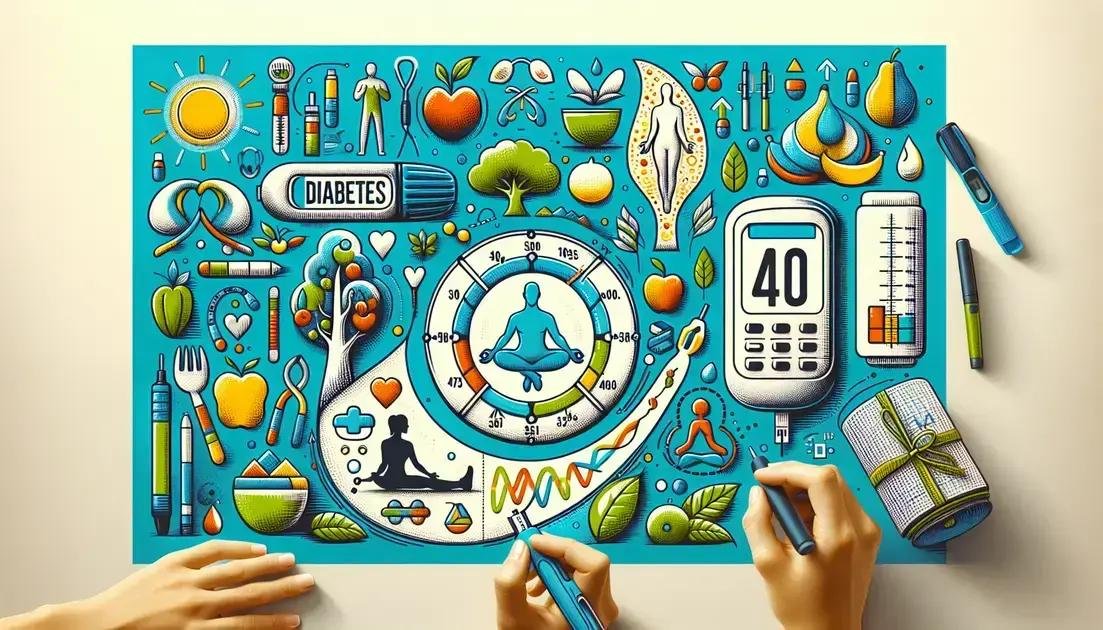
Maintaining stable blood sugar levels is crucial for individuals with diabetes. Consistent control of blood glucose can prevent complications such as heart disease, nerve damage, and kidney problems.
Frequent monitoring helps in understanding how food, activity, and medications affect blood sugar.
Keeping blood sugar within target ranges can lead to better overall health and quality of life. It also reduces the risk of serious complications and long-term health issues that arise from uncontrolled diabetes.
Incorporating a balanced diet, regular physical activity, and adhering to prescribed medications are essential for effective blood sugar management.
Healthy Eating Tips
Healthy Eating Tips: Eating well is vital for managing diabetes effectively. It helps regulate blood sugar levels and maintains overall health. Focus on a balanced diet that includes a variety of foods.
Tips:
1. Choose whole grains
Opt for whole grains like brown rice and whole wheat bread instead of white bread and rice.
2. Load up on vegetables
Fill half your plate with non-starchy vegetables such as leafy greens, peppers, and broccoli.
3. Watch portion sizes
Control portions to avoid overeating, which can spike blood sugar levels.
4. Include healthy fats
Incorporate sources of healthy fats, like avocados and nuts, for heart health.
5. Limit sugary snacks
Minimize intake of sweets and sugary drinks. Choose fruits for a natural treat.
Conclusion: By following these tips, you can create meals that support your health and improve your diabetes management.
Exercise and Fitness Plans

Exercise and Fitness Plans
Regular physical activity is crucial for managing diabetes. Exercise helps control blood sugar levels by improving insulin sensitivity. The recommended amount of exercise is at least 150 minutes of moderate aerobic activity each week. This can include activities like brisk walking, cycling, or swimming.
Incorporating resistance training at least two times a week is also beneficial. This can involve weight lifting or utilizing resistance bands. Strength training helps build muscle mass, which can improve your body’s ability to use insulin and absorb glucose.
Always consult a healthcare provider before starting any exercise program, especially if you have existing health issues. Consider working with a fitness professional who understands diabetes care to create a tailored fitness plan.
Medicinal Treatment Options
There are several treatment options available for managing diabetes. These are designed to help control blood sugar levels effectively.
Type 1 Diabetes:
Treatment: Insulin therapy
Description: Insulin must be injected or infused using a pump because it cannot be taken orally.
Type 2 Diabetes:
Oral Medications:
– Metformin
– Sulfonylureas
– DPP-4 inhibitors
First Choice: Metformin
Benefit: Helps decrease glucose production in the liver and improves insulin sensitivity.
Other Medications:
GLP-1 receptor agonists:
Function: Lower blood sugar and assist with weight loss.
Importance: Essential for individuals to work with healthcare providers to determine the best medicinal approach based on their specific needs and conditions.
Routine Monitoring Techniques

Routine Monitoring Techniques
Regular monitoring of blood sugar levels is essential in managing diabetes. It helps track how food, activity, and medications affect blood glucose. The most common method is using a glucose meter that provides immediate readings of blood sugar levels.
For those with Type 1 diabetes, self-monitoring is typically required multiple times a day. Keeping a written log or using a digital app can help track trends over time.
Continuous glucose monitoring (CGM) systems are another option. These devices measure glucose levels throughout the day and night, offering detailed insights into blood sugar patterns.
Additionally, it is vital to have regular check-ups with healthcare providers to discuss results and adjust treatment plans accordingly.
Stress Reduction Strategies
Stress Reduction Strategies
Managing stress is an important part of diabetes care. High stress can affect blood sugar levels and create further health complications. Incorporating stress reduction techniques can help improve overall well-being.
Mindfulness practices such as meditation and deep breathing exercises are effective in reducing stress. Short sessions throughout the day can help refocus the mind and calm the body.
Engaging in physical activity, like yoga or walking, not only provides exercise benefits but also helps in managing stress levels. Finding hobbies that you enjoy can also be a great way to relieve stress.
Lastly, consider talking to a therapist or counselor. They can provide support and coping strategies tailored to your needs. Building a support network of friends and family can be invaluable during stressful times.
Potential Complications
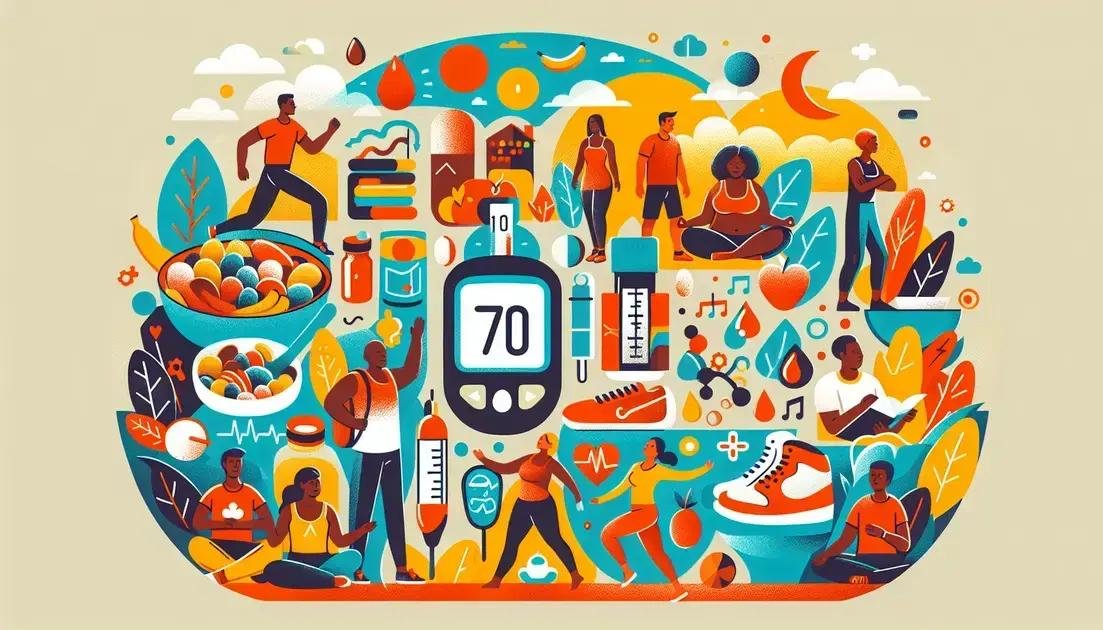
Diabetes can lead to several serious complications if not managed properly. Understanding these potential issues is crucial for effective prevention and care.
Common Complications:
Heart Disease: Individuals with diabetes are at increased risk for cardiovascular problems due to higher blood sugar levels. Regular check-ups and maintaining a healthy lifestyle can help mitigate this risk.
Nerve Damage: Known as diabetic neuropathy, this can occur when high blood sugar affects nerves, leading to pain, tingling, and loss of sensation, especially in the feet and hands.
Kidney Damage: Also known as diabetic nephropathy, prolonged high blood sugar can impair kidney function, necessitating regular kidney function tests for early detection.
Other Complications:
- Vision problems such as diabetic retinopathy
- Foot issues due to poor circulation
- Skin infections
Prevention: Staying informed about these risks and adhering to management strategies can significantly reduce the chance of complications.
Latest Research Insights
Latest Research Insights
Research in diabetes continues to evolve, providing new insights and treatment options. Recent studies have focused on the link between lifestyle changes and diabetes management. These findings emphasize that diet and exercise play significant roles in controlling blood sugar levels and reducing the risk of complications.
Innovative technologies, like continuous glucose monitors, aid in real-time blood sugar tracking, offering valuable data for better management. Additionally, new medications are being developed that can improve insulin sensitivity and lower blood sugar levels effectively.
Studies also explore the impacts of mental health on diabetes, recognizing that managing stress and mental well-being is critical for overall health. Staying informed about the latest research can empower individuals to make informed decisions regarding their diabetes care.
Building a Support Network

Building a Support Network
Having a strong support network is crucial for managing diabetes effectively. This network can include family, friends, healthcare providers, and support groups. Connecting with others who understand your challenges can offer emotional support and practical advice.
Support groups provide a space to share experiences and learn from others. Many communities offer local groups, and there are also online forums available for greater accessibility.
Involving family members in your diabetes management can foster a supportive environment. They can help track your progress, encourage healthy habits, and participate in meal planning and exercise routines.
Consider discussing your needs and challenges openly with your network. Building a supportive community enhances motivation and promotes accountability in your health management journey.
Conclusion
Effective diabetes management relies on understanding the condition, implementing treatment strategies, and fostering a strong support system.
By focusing on healthy lifestyle choices such as proper nutrition, regular exercise, and stress management, individuals can significantly improve their quality of life and reduce the risk of complications.
Staying informed about the latest research and maintaining open communication with healthcare providers ensures better control over diabetes and promotes long-term health.
FAQ – Understanding Diabetes
What is diabetes?
Diabetes is a chronic condition where the body cannot properly process food for use as energy.
What are the different types of diabetes?
The main types are Type 1, Type 2, and gestational diabetes.
What are common symptoms of diabetes?
Symptoms include increased thirst, frequent urination, extreme fatigue, and blurred vision.
Why is blood sugar control important?
Controlling blood sugar levels helps prevent serious health complications like heart disease and nerve damage.
What are some healthy eating tips for managing diabetes?
Focus on whole grains, load up on vegetables, and limit sugary snacks to keep blood sugar stable.
How does exercise help manage diabetes?
Exercise improves insulin sensitivity and helps control blood sugar levels.
What are common medicinal treatments for diabetes?
Common treatments include insulin therapy for Type 1 and oral medications like Metformin for Type 2.
How often should I monitor my blood sugar?
Blood sugar levels should be monitored regularly based on your doctor’s recommendations.
What stress reduction strategies work for diabetes management?
Techniques include mindfulness practices, regular physical activity, and seeking emotional support.
What are some of the latest insights in diabetes research?
Recent research emphasizes the importance of lifestyle changes and innovative monitoring technologies.
How can I build a support network for managing diabetes?
Connect with family, friends, healthcare professionals, and local or online support groups.
