-

- Health and Beauty
- Unveiling the Hottest Diet Trends for a Healthier, More Beautiful You
 Return blog

Unveiling the Hottest Diet Trends for a Healthier, More Beautiful You
-
 Maria Duarte
-
 25, janeiro, 2025
Topics
 Shared


Dive into the fascinating world of Diet Trends 2023 as we explore the newest and most innovative approaches to nutrition and health.
From intermittent fasting to plant-based diets, discover how people are transforming their eating habits to achieve better health and wellness.
Our guide provides insights into these compelling trends and helps you navigate the daunting array of choices in modern nutrition.
The Evolution of Diet Trends
The Evolution of Diet Trends has transformed notably over the decades. Initially, diets focused on weight loss through calorie restriction. Today, they emphasize overall health and well-being.
Popular trends like low-carb, high-protein, and flexible eating are changing the landscape. People are now prioritizing nutrition quality over quantity. This evolution reflects a deeper understanding of how foods impact our bodies.
Top Diet Trends to Watch

Top Diet Trends to Watch in 2023 include several innovative approaches that respond to our health needs.
The ketogenic diet continues to gain popularity, focusing on low carbohydrates to aid weight loss and improve energy.
Whole food plant-based diets also rise, celebrating fruits, vegetables, nuts, and grains.
Intermittent fasting remains a common strategy, allowing for flexible eating while promoting metabolic health.
Other trends to consider are the emphasis on sustainability, gut health, and nutrition technology, making it essential for individuals to stay informed and choose wisely.
Understanding Keto and Paleo
Understanding Keto and Paleo diets provides insight into modern nutritional approaches.
The Keto diet emphasizes high fat and low carbohydrates, aiming to shift the body’s metabolism to use fat for energy. This process, known as ketosis, can lead to weight loss and improved focus.
On the other hand, the Paleo diet encourages the consumption of foods that our prehistoric ancestors would have eaten. This includes meats, fish, fruits, and vegetables while avoiding processed foods, grains, and dairy.
Both diets offer unique benefits and challenges, making it essential for individuals to assess which aligns better with their lifestyle and health goals.
Intermittent Fasting Explained

Intermittent Fasting Explained is a popular eating pattern that alternates between periods of eating and fasting. This method does not dictate what foods to eat, but rather when to eat them.
Various approaches exist, including the 16/8 method, where individuals fast for 16 hours and eat during an 8-hour window. Benefits of intermittent fasting often include weight loss, improved metabolism, and better blood sugar control.
Many also report increased mental clarity during fasting periods. It is crucial for anyone considering this method to consult with a healthcare professional, especially if they have underlying health conditions.
Plant-Based Eating Patterns
Plant-Based Eating Patterns focus on incorporating more foods from plant sources into daily diets. This includes fruits, vegetables, legumes, nuts, and seeds.
Many people adopt these patterns for health benefits, aiming to reduce their risk of chronic diseases. Plant-based diets are rich in vitamins and minerals while being lower in calories and fats. They can help in weight management and improve digestion.
Furthermore, these eating habits can support environmental sustainability by lowering the carbon footprint associated with animal farming.
Transitioning to a plant-based diet doesn’t have to be an all-or-nothing approach; individuals can start by adding more plant foods to their meals gradually.
Mental Health and Diet Correlation

Mental Health and Diet Correlation is an area of growing research and interest. Many studies show that what we eat can significantly impact our mental health.
Diets rich in whole foods, such as fruits, vegetables, and lean proteins, can improve mood and reduce anxiety. In contrast, diets high in processed foods and sugars are linked to higher rates of depression and anxiety.
Nutrients like omega-3 fatty acids, vitamins, and minerals play essential roles in brain function and emotional well-being. Eating balanced meals not only supports physical health but also promotes better mental clarity and stability.
Diet Trends for Weight Loss
Diet Trends for Weight Loss have evolved significantly over recent years. Popular methods focus on reducing caloric intake while emphasizing nutrient-dense foods.
Trends like low-carb diets encourage the avoidance of starches and sugars, promoting fat as a primary energy source.
Another method gaining traction is intermittent fasting, which schedules eating times rather than restricting specific foods.
Many find success with meal prepping and tracking calories with apps to stay accountable.
It’s essential for individuals to find a sustainable method to foster long-term weight management while ensuring their nutritional needs are met.
Sustainability in Modern Diets
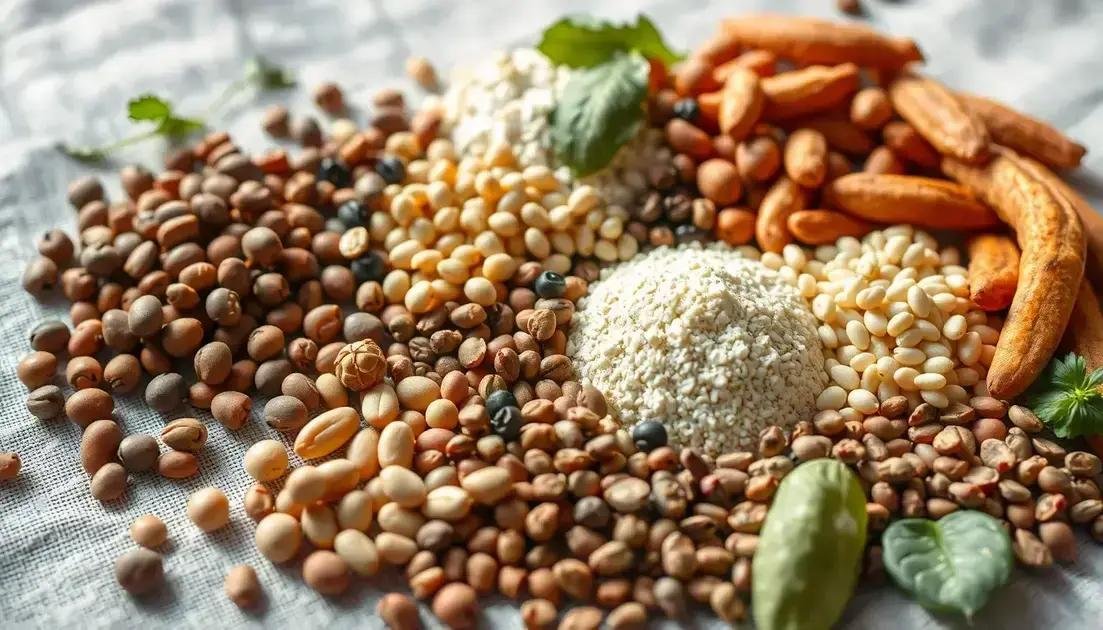
Sustainability in Modern Diets emphasizes the importance of environmentally friendly eating practices.
Today, many individuals are becoming more aware of how their food choices impact the planet.
Plant-based diets are often highlighted as more sustainable due to lower resource consumption.
Reducing food waste and supporting local agriculture also play vital roles in promoting sustainability.
Eating seasonal fruits and vegetables and choosing organic options can help minimize the carbon footprint.
Additionally, reducing meat consumption contributes significantly to environmental conservation, making it essential to adopt mindful eating habits for a healthier planet.
The Role of Technology in Tracking Diets
The Role of Technology in Tracking Diets has become essential for many individuals seeking to improve their nutrition.
Various apps and devices allow users to record their food intake and monitor their nutritional goals easily.
Popular apps provide features such as barcode scanning, meal planning, and calorie counting.
Wearable devices can track activity levels and suggest dietary adjustments based on daily performance.
Data tracking has shown to motivate users by offering insights on their progress and patterns.
Integrating technology into diet management makes it easier for individuals to stay accountable and informed about their health choices.
How to Choose the Right Diet

How to Choose the Right Diet involves understanding your personal health goals and lifestyle. It’s crucial to consider factors such as nutritional needs, food preferences, and health conditions.
Before picking a diet, ask yourself what you hope to achieve: weight loss, increased energy, or improved heart health? Research various diet options like mediterranean, vegan, or low-carb diets to see which align with your goals.
Consulting with a healthcare professional or a registered dietitian can provide personalized guidance. Remember, the best diet is one that you can maintain long-term while enjoying a variety of foods.
Diet Trends and Gut Health
Diet Trends and Gut Health highlight the strong connection between what we eat and our digestive well-being.
A healthy gut is important for proper digestion and overall immunity.
Diets rich in fiber, including fruits, vegetables, and whole grains, support healthy gut bacteria.
Consuming fermented foods like yogurt, sauerkraut, and kimchi can also enhance gut health by adding beneficial probiotics.
Many diet trends emphasize the importance of gut health, recognizing that an imbalanced microbiome can lead to issues like bloating, fatigue, and anxiety.
By prioritizing gut-friendly foods, individuals can improve their digestion and general well-being.
Personalized Nutrition Plans

Personalized Nutrition Plans focus on tailoring diets to meet individual health needs and preferences. These plans consider factors such as age, gender, activity level, and existing health conditions.
By identifying specific nutritional requirements, personalized plans can help improve health outcomes and support weight management. Tools like food diaries and nutritional assessments allow individuals to track their eating habits.
Consulting with a registered dietitian is beneficial for creating a sustainable and effective plan. The emphasis is on choosing the right foods that align with personal goals, making the journey to better health enjoyable and achievable.
Conclusion
As we have explored the various diet trends in today’s world, it is clear that individual preferences and health goals play a vital role in choosing the right approach.
From plant-based diets to intermittent fasting, it is essential to tailor your diet to meet your unique needs.
The connection between food and mental health, as well as the importance of gut health, should not be overlooked.
Additionally, with the help of technology, tracking dietary habits has become easier, enabling informed decisions.
Ultimately, a sustainable, balanced, and personalized nutrition plan is key to achieving and maintaining optimal health.
FAQ – Diet and Nutrition
What are the latest diet trends in 2023?
The latest diet trends include plant-based eating, intermittent fasting, and personalized nutrition plans.
Can diet influence mental health?
Yes, a balanced diet rich in whole foods can improve mood and reduce anxiety.
What does personalized nutrition mean?
Personalized nutrition tailors dietary plans to meet individual health needs and preferences.
What factors should I consider when choosing a diet?
Consider your health goals, food preferences, and any existing health conditions.
How can technology help in tracking diets?
Apps and devices can help record food intake, monitor nutritional goals, and track progress.
What influence does diet have on gut health?
A diet high in fiber and fermented foods supports a healthy gut microbiome.
What are some sustainable diet practices?
Plant-based diets, reducing food waste, and choosing local and seasonal foods are sustainable practices.
Can you explain intermittent fasting?
Intermittent fasting alternates between periods of eating and fasting, focusing on when to eat.
