-

- Weight Loss
- 5 Effective Strategies for Diet & Weight Loss Success
 Return blog
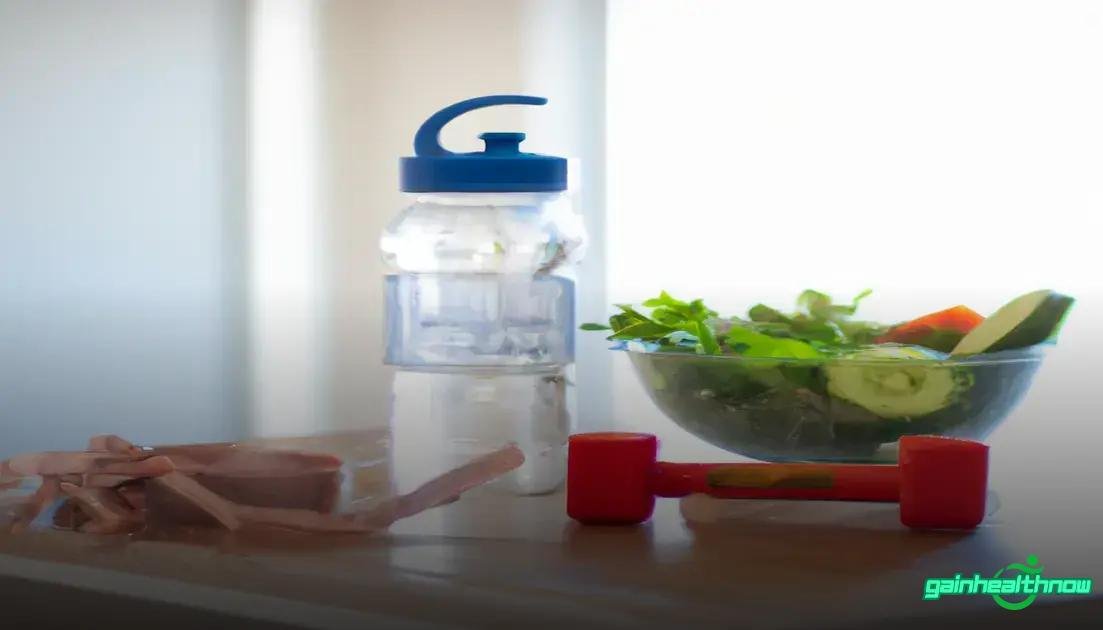
5 Effective Strategies for Diet & Weight Loss Success
-
 Lucas Souza
-
 24, outubro, 2024
Topics
 Shared


When it comes to diet & weight loss, the journey can feel overwhelming. With so much information out there, it’s easy to get lost in the noise.
But fear not! In this article, we’re breaking down some fundamental strategies that can help you navigate your weight loss journey with confidence.
Whether you’re just starting out or looking to refine your approach, understanding the key elements of effective dieting and weight loss is crucial. Let’s dive in and explore how you can set yourself up for success!
Understanding the Basics of Diet & Weight Loss
Understanding the basics of diet & weight loss is the first step toward achieving your fitness goals.
At its core, weight loss occurs when you burn more calories than you consume. This concept, often referred to as the caloric deficit, is crucial for anyone looking to shed pounds.
There are several types of diets, and what works for one person may not work for another. Some popular diets include low-carb, Mediterranean, and intermittent fasting. It’s important to find a diet that fits your lifestyle and preferences. This way, you’re more likely to stick with it in the long run.
Additionally, understanding macronutrients—carbohydrates, proteins, and fats—can help you make informed food choices. For instance, proteins are essential for muscle repair and growth, while healthy fats can support overall health and keep you feeling full.
Another key factor is hydration. Drinking enough water can aid digestion and help control hunger. Sometimes, our bodies confuse thirst with hunger, leading to unnecessary snacking. So, staying hydrated is not just good for your body; it can also help you manage your weight.
Finally, remember that weight loss is not just about the number on the scale. It’s about creating a healthier lifestyle that includes balanced eating, regular physical activity, and mental well-being. By focusing on these basics, you’ll be setting a solid foundation for your weight loss journey.
Setting Realistic Goals for Weight Loss

Setting realistic goals for weight loss is essential for maintaining motivation and achieving long-term success. It’s easy to get caught up in the excitement of a new diet or fitness plan and set overly ambitious targets. However, these lofty goals can often lead to frustration and disappointment if they aren’t met.
A good rule of thumb is to aim for a weight loss of about 1 to 2 pounds per week. This pace is generally considered safe and sustainable. Rapid weight loss can be tempting, but it often leads to muscle loss and can be difficult to maintain over time.
When setting your goals, consider using the SMART criteria—Specific, Measurable, Achievable, Relevant, and Time-bound. For example, instead of saying, “I want to lose weight,” try setting a goal like, “I will lose 10 pounds in the next two months by exercising three times a week and following a balanced diet.” This approach not only clarifies your objectives but also makes them more attainable.
It’s also important to set non-scale goals. These can include improving your stamina, fitting into a favorite pair of jeans, or simply feeling more energetic. Celebrating these milestones can boost your motivation and remind you that weight loss is about more than just numbers.
Lastly, be flexible and patient with yourself. Life can throw curveballs that might disrupt your progress, and that’s okay! Adjust your goals as needed, and don’t be too hard on yourself if things don’t go as planned. Remember, the journey to a healthier you is a marathon, not a sprint.
The Role of Exercise in Diet Plans
Exercise plays a crucial role in any diet plan and is an essential component of a successful weight loss journey. While diet alone can lead to weight loss, combining it with regular physical activity can enhance results and improve overall health.
First and foremost, exercise helps to create a caloric deficit. When you engage in physical activity, your body burns calories, which contributes to the overall energy balance needed for weight loss. Whether it’s a brisk walk, a jog, or a high-intensity workout, every bit of movement counts!
Moreover, exercise helps to preserve lean muscle mass during weight loss. When you lose weight, it’s common to shed both fat and muscle. Incorporating strength training into your routine can help maintain and even build muscle, which is vital for boosting your metabolism. A higher muscle mass means your body burns more calories at rest—how cool is that?
Exercise also has a positive impact on mental health. It releases endorphins, often referred to as “feel-good” hormones, which can help reduce stress and anxiety. This emotional boost can make it easier to stick to your diet and exercise plan. Plus, feeling good about yourself can enhance your motivation to continue on your weight loss journey.
To get started, aim for a mix of cardiovascular exercises (like running, cycling, or swimming) and strength training (like weight lifting or body-weight exercises). The American Heart Association recommends at least 150 minutes of moderate aerobic activity or 75 minutes of vigorous activity each week, along with muscle-strengthening activities on two or more days.
Finally, remember that finding an activity you enjoy is key to staying consistent. Whether it’s dancing, hiking, or joining a group fitness class, the more fun you have, the more likely you are to stick with it. So, lace up those sneakers and get moving—your body and mind will thank you!
Healthy Eating Habits to Adopt
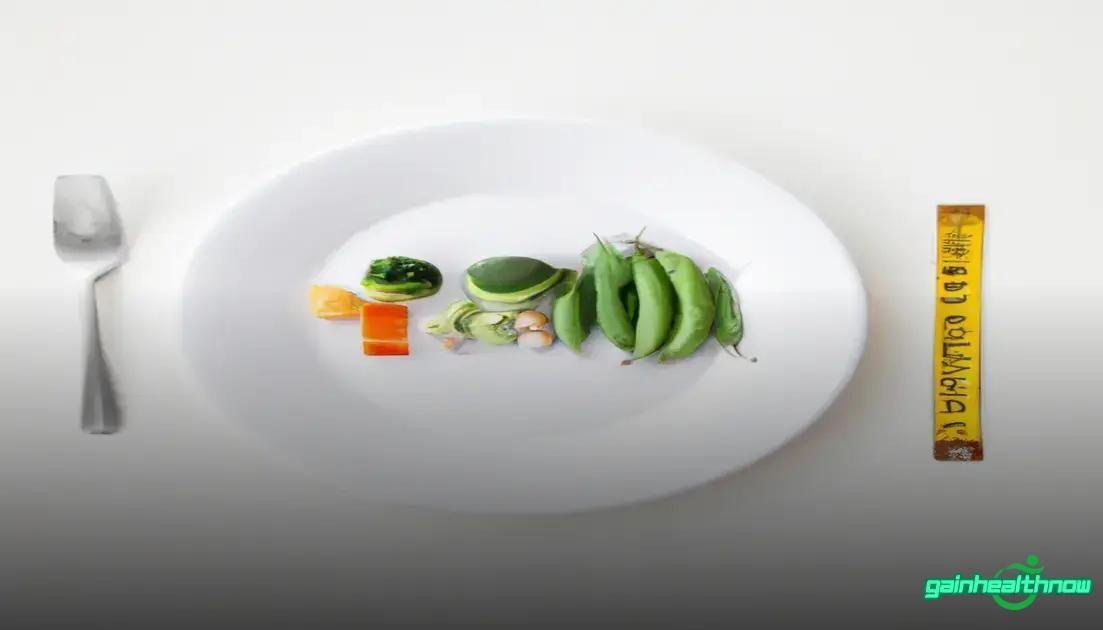
Adopting healthy eating habits is essential for successful weight loss and overall well-being. It’s not just about what you eat, but also how you eat. Here are some practical habits to incorporate into your daily routine:
1. Plan Your Meals: Taking time to plan your meals can help you make healthier choices and avoid last-minute temptations. Consider preparing a weekly menu and shopping list to keep you on track.
2. Portion Control: Being mindful of portion sizes is vital. Use smaller plates and bowls to help control portions, and try to listen to your body’s hunger cues. Eating slowly allows your brain to register fullness, reducing the chances of overeating.
3. Incorporate More Whole Foods: Focus on whole, unprocessed foods like fruits, vegetables, whole grains, lean proteins, and healthy fats. These foods are often more nutrient-dense and can keep you feeling fuller for longer.
4. Stay Hydrated: Drinking enough water throughout the day is crucial for overall health and can help control hunger. Sometimes, our bodies mistake thirst for hunger, leading to unnecessary snacking. Aim for at least 8 glasses of water a day, and consider drinking a glass before meals to help with portion control.
5. Practice Mindful Eating: This means being present during your meals and savoring each bite. Avoid distractions like TV or smartphones, and focus on the flavors and textures of your food. Mindful eating can enhance your enjoyment of food and help you recognize when you’re satisfied.
6. Limit Processed Foods: Try to reduce your intake of processed foods, which are often high in added sugars, unhealthy fats, and sodium. Instead, opt for homemade meals whenever possible, where you can control the ingredients.
By adopting these healthy eating habits, you’ll not only support your weight loss goals but also cultivate a more balanced and enjoyable relationship with food. Remember, small changes can lead to significant results over time, so take it one step at a time!
Monitoring Progress and Staying Motivated
Monitoring your progress and staying motivated are vital components of any successful weight loss journey. Without tracking your advancements, it can be easy to lose sight of your goals or become discouraged. Here are some effective strategies to help you stay on track:
1. Keep a Food Diary: Writing down what you eat can provide valuable insights into your eating habits. It helps you identify patterns, triggers, and areas for improvement. You can use a notebook or a mobile app to make it easier and more convenient.
2. Set Up Regular Check-Ins: Schedule regular check-ins with yourself—weekly or bi-weekly works great. Weigh yourself, take measurements, or assess how your clothes fit. This will help you see the progress you’re making, even if the scale isn’t moving as quickly as you’d like.
3. Celebrate Small Wins: Don’t wait until you reach your ultimate goal to celebrate! Acknowledge and reward yourself for smaller milestones along the way, whether it’s losing a few pounds, sticking to your meal plan for a week, or completing a workout. Treat yourself to something non-food related, like a new workout outfit or a relaxing day off.
4. Find a Support System: Surround yourself with friends, family, or a community that supports your goals. Sharing your journey with others can provide encouragement, accountability, and motivation. Consider joining a weight loss group or finding a workout buddy.
5. Stay Flexible: Understand that setbacks are a natural part of the process. If you experience a plateau or a slip-up, don’t be too hard on yourself. Instead, reflect on what you can learn from the experience and adjust your plan as needed. Flexibility can help you stay committed in the long run.
6. Visualize Your Goals: Create a vision board or use motivational quotes that resonate with you. Visual reminders of your goals can help keep you focused and inspired. Place them somewhere you’ll see them daily, like your fridge or bathroom mirror.
By actively monitoring your progress and implementing these strategies, you’ll find it easier to stay motivated throughout your weight loss journey. Remember, it’s not just about the destination; it’s about enjoying the journey and becoming the best version of yourself!
Conclusion
In summary, embarking on a weight loss journey involves understanding the basics of diet and exercise, setting realistic goals, and adopting healthy eating habits.
By incorporating regular physical activity, you can enhance your efforts and improve your overall well-being.
Monitoring your progress and finding ways to stay motivated are essential to overcoming challenges and celebrating your successes along the way.
Remember, every small change you make contributes to your larger goals. It’s not just about losing weight; it’s about creating a healthier lifestyle that you can maintain for years to come.
Embrace the journey, be kind to yourself, and enjoy the process of becoming a healthier, happier you!
FAQ – Frequently Asked Questions about Diet & Weight Loss
What is the best diet for weight loss?
There isn’t a one-size-fits-all diet. The best diet is one that fits your lifestyle, preferences, and nutritional needs, whether it’s low-carb, Mediterranean, or intermittent fasting.
How much weight can I realistically lose in a week?
A safe and sustainable weight loss target is about 1 to 2 pounds per week.
Why is exercise important for weight loss?
Exercise helps create a caloric deficit, preserves lean muscle mass, and boosts mental health through the release of endorphins.
How can I stay motivated during my weight loss journey?
Set realistic goals, celebrate small wins, keep a food diary, and find a supportive community to help you stay motivated.
What are some healthy eating habits I should adopt?
Plan your meals, practice portion control, incorporate whole foods, stay hydrated, and practice mindful eating.
How can I monitor my progress effectively?
Keep a food diary, schedule regular check-ins, and track your measurements and how your clothes fit to monitor your progress.
