-

- Health and Beauty
- “Transform Your Body: Fast Diets for Health & Beauty”
 Return blog
“Transform Your Body: Fast Diets for Health & Beauty”
-
 Lucas Souza
-
 11, janeiro, 2025
Topics
 Shared


Losing weight rapidly requires an effective diet plan that is both safe and sustainable.
In this guide, we explore various strategies that leverage the science of nutrition to promote quick results.
From understanding macronutrient balance to incorporating physical activity, discover proven tips that ensure success.
By avoiding common pitfalls and seeking professional guidance, individuals can achieve rapid weight loss while maintaining their overall health.
Understanding Rapid Weight Loss
Rapid weight loss refers to losing a significant amount of weight in a short period.
There are several important factors that contribute to rapid weight loss, including:
- caloric deficit
- metabolic rate
- hormonal balance
However, there are also considerations to keep in mind:
Sustainability: Gradual weight loss may be more sustainable than rapid weight loss.
Health conditions: Various health conditions can affect the body’s ability to lose weight quickly.
It is advisable to consult with a healthcare professional before starting any rapid weight loss program.
The Science Behind Effective Dieting
The science behind effective dieting involves understanding how the body processes food and uses it for energy.
A caloric deficit is crucial—this means consuming fewer calories than your body needs. When in this state, your body starts to utilize stored fat for energy.
Metabolic rate also plays a significant role. This is the speed at which your body burns calories. Higher muscle mass can increase your metabolic rate, leading to more calories burned at rest.
Furthermore, hormonal balance affects hunger and satiety. Hormones like leptin and ghrelin regulate appetite, while insulin helps control blood sugar levels. Understanding these factors can help individuals devise diets that enhance weight loss effectively.
Choosing the Right Diet Plan
Choosing the right diet plan is essential for weight loss success. First, assess your personal goals, such as desired weight loss and time frame. It’s crucial to select a plan that fits your lifestyle and preferences.
Popular dieting approaches include low-carb, ketogenic, Mediterranean, and intermittent fasting. Each has unique benefits and challenges. Consider what meals you enjoy and your daily routine.
Consultation with a registered dietitian can provide personalized recommendations, ensuring the plan is nutritionally balanced. Remember, the best diet is one you can stick to long-term for sustainable results.
Balancing Macronutrients and Micronutrients
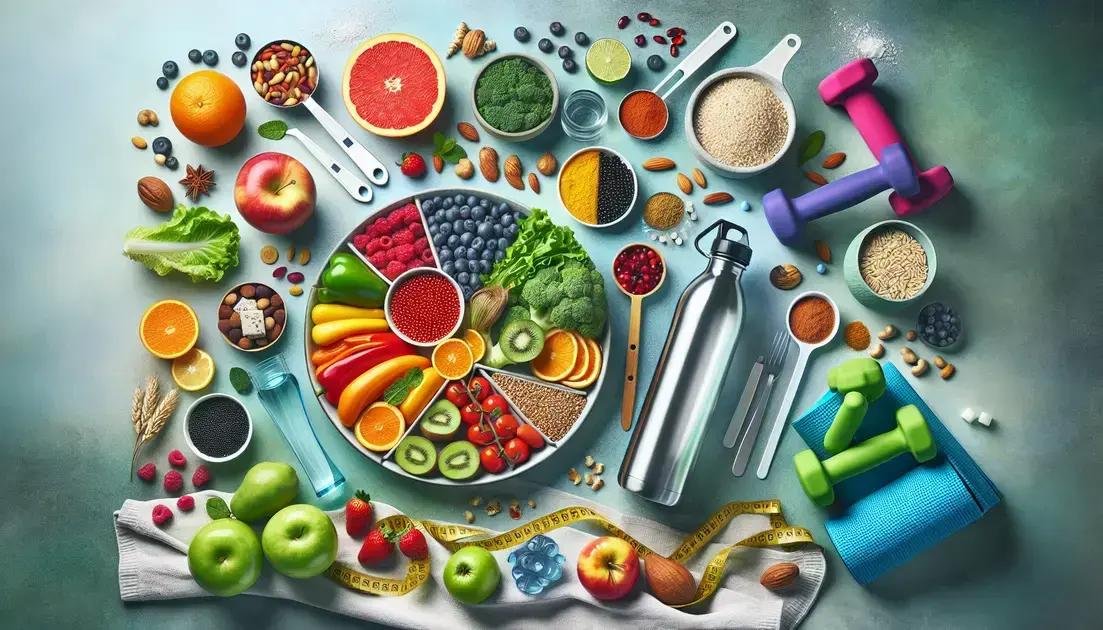
Balancing macronutrients and micronutrients is vital for effective dieting.
Macros include carbohydrates, proteins, and fats, which provide the body with energy. Each plays a unique role in overall health. For instance, carbohydrates are crucial for energy, proteins help build and repair tissues, and fats support cell function.
A balanced diet typically includes a mix of these based on individual energy needs.
Micronutrients—vitamins and minerals—are essential, although required in smaller amounts. They assist in various bodily functions, including immune response and bone health.
Eating a variety of fruits, vegetables, whole grains, and lean proteins can help ensure you get an adequate supply of both.
Consider using a food diary app to track your intake. This can help you see if you are meeting your macronutrient and micronutrient goals.
Always aim for a balance that suits your personal health needs and dietary preferences.
Incorporating Physical Activity
Incorporating physical activity into your daily routine is vital for weight loss. Regular exercise helps burn calories, build muscle, and boost metabolism. Aim for at least 150 minutes of moderate aerobic activity each week, like brisk walking or cycling.
Additionally, incorporate strength training exercises at least two days a week to enhance muscle mass, which can increase your resting metabolic rate.
Find activities you enjoy, as this will make it easier to stick with your program. Whether it’s dancing, swimming, or group classes, enjoyment can elevate motivation. Setting realistic goals and tracking progress can also make a difference. Consider using a fitness tracker or app to monitor your activity levels.
Remember, it’s essential to consult a healthcare provider before starting any new exercise program, especially if you have pre-existing health conditions. This ensures that your chosen activities are safe and appropriate for your fitness level.
Monitoring Progress Safely
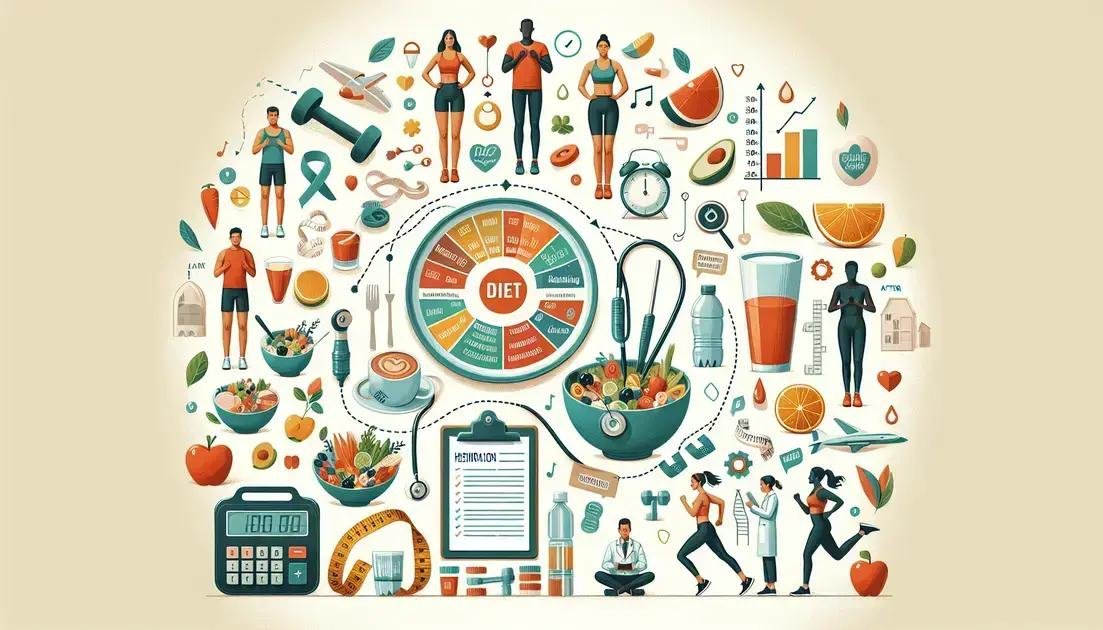
Monitoring progress safely is essential in any weight loss journey. Regular tracking can help individuals see how their efforts translate into results. Start by establishing clear and realistic goals, such as aiming for a weight loss of 1-2 pounds per week. Use a reliable scale to weigh yourself consistently—preferably at the same time each day, wearing similar clothing.
Beyond the scale, consider tracking other metrics like body measurements, energy levels, and how your clothes fit. These can provide a broader picture of your health and fitness. Keeping a journal can help record these observations, along with dietary habits and exercise routines.
Also, consider hormonal influences that can affect weight, such as stress and sleep quality. If progress stalls, assess your diet and activity levels to make necessary adjustments. Consulting with a healthcare provider for support ensures that your monitoring methods are safe and effective.
Common Diet Pitfalls to Avoid
Common diet pitfalls can hinder weight loss efforts and should be recognized to ensure success. One common issue is setting overly restrictive diets, which can lead to cravings and binge eating. It’s important to allow yourself occasional treats to maintain balance.
Another pitfall is skipping meals, which can cause overeating later in the day. Instead, focus on smaller, frequent meals to keep hunger at bay.
Additionally, relying too heavily on fad diets may not provide sustainable results. These often eliminate key food groups and can lead to nutrient deficiencies. It’s crucial to follow a well-rounded diet.
Not tracking food intake can also lead to mindless eating; keeping a food journal helps maintain accountability.
Finally, ignoring the importance of hydration can obstruct weight loss. Drinking enough water supports metabolic processes and reduces feelings of hunger. Be aware of these pitfalls and make adjustments to stay on track with your goals.
Benefits of Professional Guidance

Seeking professional guidance can play a significant role in successful weight loss. A registered dietitian or nutritionist can provide personalized advice tailored to your needs. They assess your dietary habits and recommend adjustments that enhance your nutritional intake while supporting weight loss goals.
Moreover, professionals can help set realistic and achievable goals. They offer accountability and motivation, which can be crucial when facing challenges during your weight loss journey. Education about food choices and portion sizes also equips you with the skills to make better decisions.
Additionally, experts can assist in identifying potential health issues or dietary restrictions you may have. Their insights can guide you in selecting the most suitable diet plan. In summary, professional assistance enhances the likelihood of achieving sustainable weight loss through tailored support and expertise.
Meal Planning for Sustainable Results
Meal planning for sustainable results is essential for long-term weight loss success. It involves preparing your meals in advance to avoid making unhealthy choices. Start by creating a weekly menu that includes a balance of lean proteins, whole grains, and plenty of fruits and vegetables.
Portion control is crucial, so measure ingredients to ensure you are not overeating.
Involve the whole family in meal prep to make it fun and educational.
You can also batch cook to save time during busy weekdays. This strategy helps reduce the temptation to order takeout. Incorporating snacks into your planning can also keep hunger at bay and prevent you from reaching for unhealthy options.
Always store meals in clear containers so you can easily manage and monitor what you have prepared. Having a plan promotes mindful eating and supports your weight loss goals.
Hydration and Its Role in Weight Loss
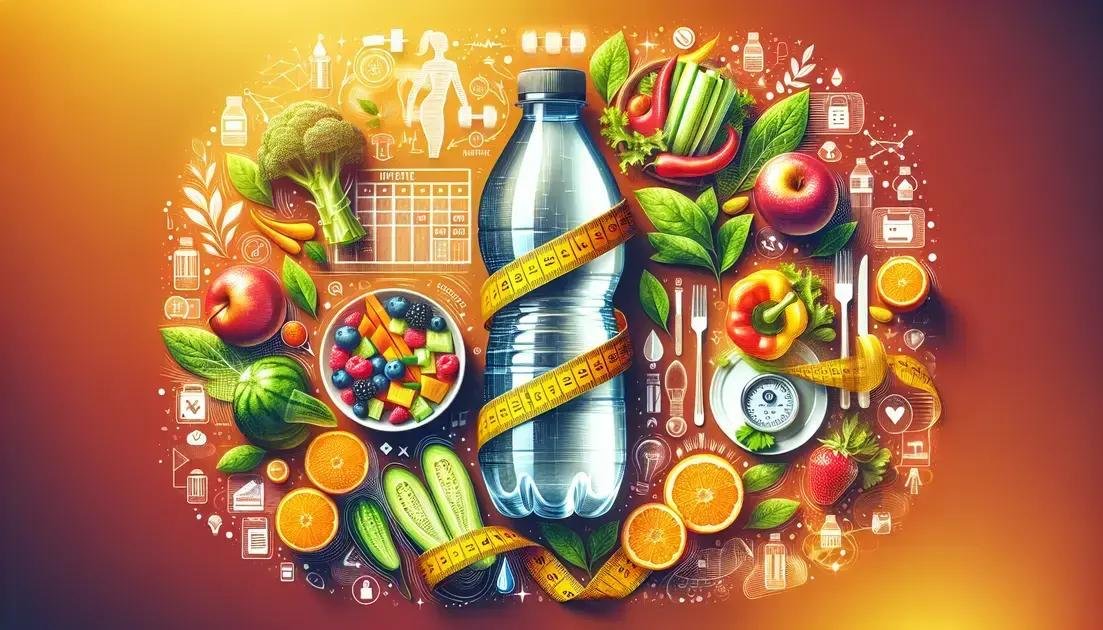
Hydration plays a crucial role in weight loss and overall health. Drinking enough water can help boost metabolism and increase feelings of fullness, reducing overall calorie intake. Aim to drink at least eight 8-ounce glasses of water a day, but listen to your body’s needs. During exercise or hot weather, increase your intake.
Moreover, choosing water over sugary beverages can significantly lower caloric consumption, which supports weight loss efforts. Foods high in water content, like fruits and vegetables, can also help with hydration while providing essential nutrients.
Keep a water bottle handy to remind yourself to drink more throughout the day. Tracking your intake can serve as a valuable reminder to prioritize hydration, which is key to maintaining your weight loss journey.
Behavioral Habits to Support Dietary Changes
Behavioral habits to support dietary changes are essential for long-term success. Mindful eating encourages awareness of food choices and portion sizes. Take your time to savor each bite, which can help prevent overeating.
Creating a supportive environment is also important. Remove unhealthy snacks from your home and stock up on nutritious options. Involve family or friends in your journey; their support can enhance your commitment to new habits.
Developing a routine can further solidify these changes. Meal prepping on weekends can save time and reduce stress during the week. Tracking your progress through a journal or app can help you stay accountable and motivated.
Lastly, celebrate small victories to boost your confidence and maintain motivation while adjusting your lifestyle for better health.
Maintaining Weight Loss Post-Diet

Maintaining weight loss post-diet requires ongoing commitment and lifestyle adjustments. After reaching your goal, gradually increase your caloric intake to a maintenance level while still focusing on nutrient-dense foods. Regular physical activity remains crucial; aim for at least 150 minutes of moderate exercise each week to help stabilize your weight.
Continue to monitor your eating habits. Keeping a food diary or using an app can assist in maintaining accountability. Incorporating mindful eating practices helps you stay aware of hunger cues and portion sizes. Celebrate your achievements but avoid reverting to unhealthy habits.
Surround yourself with supportive people who encourage your healthy lifestyle. Joining a group or community can provide motivation and shared experiences. Lastly, don’t hesitate to seek guidance from a healthcare professional or nutritionist if you need assistance in staying on track.
Conclusion
Effective diet plans for rapid weight loss require understanding, dedication, and proper guidance.
By focusing on balanced nutrition, incorporating exercise, and developing sustainable habits, individuals can achieve their weight loss goals.
Remember to monitor progress, stay hydrated, and seek professional support when necessary.
Maintaining these practices post-diet is essential for long-term success and overall wellness.
FAQ – Understanding Rapid Weight Loss
What is rapid weight loss?
Rapid weight loss refers to losing a significant amount of weight in a short period, typically more than 1-2 pounds per week.
How does caloric deficit work?
A caloric deficit occurs when you consume fewer calories than your body needs, leading to weight loss as the body uses stored fat for energy.
What factors should I consider when choosing a diet plan?
Consider your personal goals, dietary preferences, lifestyle, and any health conditions when selecting a diet plan.
How much exercise should I do for weight loss?
Aim for at least 150 minutes of moderate aerobic activity every week, along with strength training at least twice a week.
Why is hydration important for weight loss?
Staying hydrated helps boost metabolism, reduces feelings of hunger, and supports overall bodily functions necessary for weight loss.
What should I do to maintain my weight loss?
After reaching your goal, gradually increase your caloric intake while continuing to focus on nutritious foods and regular physical activity.
