-

- Food
- Foods That Fight Inflammation and Boost Wellness
 Return blog

Foods That Fight Inflammation and Boost Wellness
-
 Lucas Souza
-
 2, novembro, 2024
Topics
 Shared


Food to deflame plays a crucial role in reducing inflammation, which is a factor in many chronic conditions.
By embracing certain anti-inflammatory foods, you can take charge of your health.
In this article, we’ll dive deep into what deflame foods are, their benefits, delicious recipes, and tips to seamlessly incorporate them into your daily diet.
Understanding Inflammation: Causes and Effects
Understanding Inflammation: Causes and Effects
Inflammation is a natural response of the body’s immune system to injury or infection. When the body detects harmful stimuli, such as pathogens, damaged cells, or irritants, it releases chemicals and signals that trigger an inflammatory response. This response is essential for healing and protecting the body.
There are two main types of inflammation: acute and chronic. Acute inflammation is a short-term response that helps the body heal from injuries or infections, usually resolving within a few days. Chronic inflammation, on the other hand, can last for months or even years, silently damaging tissues and contributing to various diseases such as arthritis, heart disease, and cancer.
Some common causes of chronic inflammation include obesity, poor diet, lack of exercise, and stress. Foods high in sugar, refined carbohydrates, and trans fats can promote inflammation, while a diet rich in antioxidants, omega-3 fatty acids, and whole foods can help reduce it.
Understanding inflammation is crucial for managing your health. Identifying and addressing the underlying causes can lead to better health outcomes and a reduction in inflammation-related diseases.
What is Deflame Food?
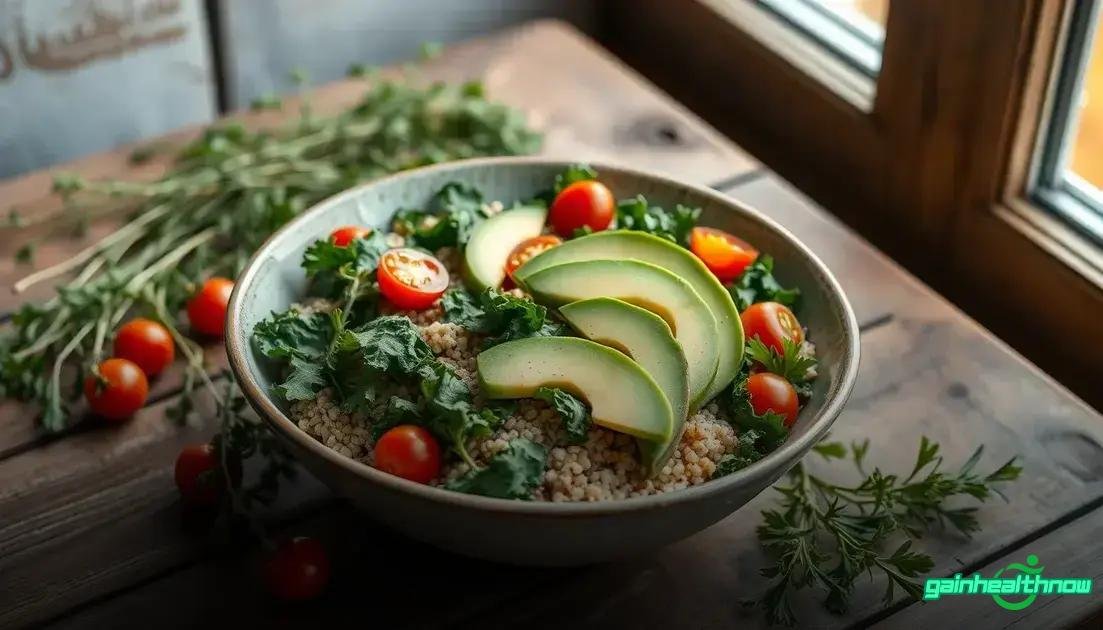
Deflame food refers to a category of foods that have anti-inflammatory properties, capable of reducing inflammation in the body. These foods are not only beneficial for those suffering from chronic inflammatory conditions but can also promote overall health and wellness. The concept is rooted in the understanding that what we eat can profoundly impact our inflammatory responses.
These foods typically include a wealth of antioxidants, vitamins, and minerals, which work together to soothe inflammation. Common examples include fruits such as berries and oranges, vegetables like spinach and kale, healthy fats from avocados and olive oil, and sources of omega-3 fatty acids such as fatty fish. Incorporating these foods into your diet may help combat inflammation and support long-term health.
Adopting a diet focused on deflame foods can lead to better health outcomes, increased energy levels, and a reduction in the risk of developing chronic diseases. It’s about making food choices that not only taste good but also promote healing and balance within the body.
Top Anti-Inflammatory Foods You Need to Know
When it comes to fighting inflammation, certain foods stand out for their powerful health benefits. Here are some of the top anti-inflammatory foods you need to know:
- Berries: Loaded with antioxidants like flavonoids, berries such as blueberries, strawberries, and raspberries can help reduce inflammation and combat oxidative stress.
- Fatty Fish: Rich in omega-3 fatty acids, varieties like salmon, mackerel, and sardines have strong anti-inflammatory effects and support heart health.
- Leafy Greens: Vegetables like spinach, kale, and Swiss chard are high in vitamins and antioxidants that help manage inflammation.
- Olive Oil: Extra virgin olive oil contains healthy fats and antioxidants, including oleocanthal, which exhibits effects similar to anti-inflammatory medications.
- Nuts: Almonds, walnuts, and other nuts are good sources of healthy fats, protein, and fiber that help combat inflammation.
- Turmeric: This golden spice contains curcumin, a powerful anti-inflammatory compound that enhances your body’s ability to ward off inflammation.
- Tomatoes: Rich in lycopene, especially when cooked, tomatoes can help lower inflammation while providing vital nutrients.
- Garlic: Known for its immune-boosting properties, garlic also has anti-inflammatory effects that benefit overall health.
- Ginger: This root is not only a great flavor enhancer but also has a long history of use as a natural anti-inflammatory agent.
- Green Tea: Packed with polyphenols, green tea is known for its anti-inflammatory properties, contributing to overall wellness.
- Whole Grains: Foods like oats, brown rice, and quinoa provide fiber and nutrients that may help reduce inflammation.
- Dark Chocolate: Rich in antioxidants, dark chocolate can help lower inflammation when consumed in moderation.
Incorporating these foods into your daily diet can not only help reduce inflammation but also contribute to a healthier lifestyle overall. Experiment with recipes that feature these ingredients to enjoy their benefits!
How to Integrate Deflame Foods into Your Diet

Integrating deflame foods into your diet can be an enjoyable and rewarding experience. Here are some effective tips to help you incorporate these beneficial foods into your daily meals:
- Start with Small Changes: Begin by swapping out a few processed foods for deflame options. For example, replace sugary snacks with fresh fruit or nuts.
- Plan Your Meals: Create a weekly meal plan that includes a variety of deflame foods. This helps ensure you have nutritious options available and can prevent impulsive eating.
- Experiment with Recipes: Try out new recipes that focus on anti-inflammatory ingredients. Explore cooking with turmeric, olive oil, and leafy greens to keep your meals flavorful and healthy.
- Incorporate Smoothies: Blend fruits and leafy greens into smoothies for a nutritious breakfast or snack. Add ingredients like ginger and chia seeds for an extra boost.
- Snack Smart: Keep healthy snacks like nuts, yogurt, and berries on hand. Having these options readily available can help you avoid unhealthy cravings.
- Experiment with Herbs and Spices: Use herbs and spices like garlic, ginger, and cinnamon in your cooking to add flavor and anti-inflammatory properties to your dishes.
- Mindful Eating: Practice mindful eating by slowing down and enjoying each bite. This can help you appreciate your meals and make healthier choices.
- Stay Hydrated: Drink plenty of water and consider adding green tea to your routine, as it’s packed with antioxidants and can complement a deflame diet.
- Get Creative with Salads: Create salads loaded with colorful veggies, nuts, and a drizzle of olive oil. This can be a delicious way to incorporate deflame foods into your meals.
- Be Consistent: Make a habit of choosing deflame foods as part of your daily meals. Consistency is key to reaping the long-term benefits.
By gradually implementing these changes, you can build a sustainable deflame diet that supports your health and well-being.
The Science Behind Food and Inflammation
The relationship between food and inflammation is complex and deeply rooted in biology. When we consume certain foods, they can either exacerbate or alleviate inflammation in our bodies. This is largely due to the nutrients and compounds present in these foods that influence our immune response.
Inflammation is part of the body’s natural defense mechanism, designed to protect against harmful invaders like pathogens. However, chronic inflammation, which can occur due to poor diet, stress, or environmental factors, is linked to various health issues, including heart disease, diabetes, and arthritis.
Foods rich in saturated fats, trans fats, and refined sugars tend to promote inflammation. Such foods can trigger the release of inflammatory markers in the body. Conversely, anti-inflammatory foods help lower these markers and promote a healthy immune response. Nutrients like omega-3 fatty acids, antioxidants, and phytochemicals have gained recognition for their ability to fight inflammation.
Scientific studies have shown that incorporating a diet rich in fruits, vegetables, whole grains, and healthy fats can significantly reduce markers of inflammation. For example, the Mediterranean diet, which emphasizes these foods, has been associated with lower levels of inflammation and improved overall health.
Understanding the science behind food and inflammation empowers individuals to make more informed dietary choices that can support their health and prevent chronic diseases.
Benefits of a Deflame Diet

The benefits of a deflame diet extend beyond just reducing inflammation; they encompass a wide range of health improvements. Here are some key advantages:
- Reduced Inflammation: A deflame diet focuses on foods that combat inflammation, which can lower the risk of chronic diseases such as heart disease, diabetes, and cancer.
- Improved Heart Health: By incorporating omega-3 fatty acids and antioxidants found in deflame foods, individuals can enhance heart health and reduce blood pressure.
- Enhanced Digestive Health: Many deflame foods, like fruits and vegetables, are high in fiber, which supports a healthy digestive system and promotes gut health.
- Increased Energy Levels: A nutrient-rich diet with whole foods provides sustained energy, helping combat fatigue and improve overall vitality.
- Weight Management: A focus on whole, unprocessed foods can assist in weight loss and maintenance, as these foods are often lower in calories and higher in nutrients.
- Better Mood and Mental Health: Certain anti-inflammatory foods, such as fatty fish and leafy greens, have been linked to improved brain health and a lower risk of depression.
- Stronger Immune Response: A diet rich in vitamins and minerals, such as those found in deflame foods, can boost the immune system and help the body fight off infections.
- Enhanced Skin Health: Antioxidant-rich foods contribute to healthier skin by reducing oxidative stress and inflammation.
Overall, transitioning to a deflame diet can lead to a healthier lifestyle, improved well-being, and a greater quality of life.
Delicious Recipes Featuring Deflame Ingredients
Incorporating deflame ingredients into your meals can be both tasty and healthy. Here are some delicious recipes that highlight these anti-inflammatory foods:
- Quinoa Salad with Berries and Nuts: Combine cooked quinoa with fresh berries, chopped almonds, and a drizzle of honey. Toss with spinach for added nutrients.
- Salmon with Garlic and Herbs: Bake salmon fillets seasoned with minced garlic, lemon juice, and your favorite herbs. Serve with a side of steamed broccoli and quinoa.
- Turmeric Ginger Tea: Boil water and add fresh turmeric, ginger, and lemon. Let it steep for 10 minutes and enjoy a warming, anti-inflammatory drink.
- Chickpea and Spinach Curry: Sauté onions, garlic, and ginger in olive oil, add chickpeas and spinach, and season with turmeric and cumin for a hearty dish.
- Overnight Oats with Chia Seeds: Mix rolled oats with almond milk, chia seeds, and fresh fruits. Let it sit overnight for a quick and nutritious breakfast.
- Roasted Vegetable Medley: Toss a variety of colorful vegetables like bell peppers, sweet potatoes, and Brussels sprouts in olive oil and your favorite seasonings. Roast until tender.
These recipes not only taste great but also help you reap the benefits of deflame foods. Enjoy experimenting with these ingredients to enhance your meals!
Common Misconceptions About Anti-Inflammatory Foods

When it comes to anti-inflammatory foods, several misconceptions can lead to confusion. Here are some common myths debunked:
- Myth 1: All fats are bad. Not all fats promote inflammation; healthy fats, like those found in avocados and fatty fish, can actually reduce it.
- Myth 2: Only certain foods cause inflammation. While some foods trigger inflammation, it’s more about the overall diet. Consuming a diet high in processed foods is detrimental.
- Myth 3: You must completely eliminate certain foods. Moderation is key. It’s not necessary to eliminate everything; rather, focus on reducing inflammatory foods.
- Myth 4: Anti-inflammatory foods taste bland. Many anti-inflammatory foods, like spices and citrus fruits, add vibrant flavors to meals.
- Myth 5: A deflame diet is expensive. Many anti-inflammatory foods, such as beans, whole grains, and seasonal fruits, can be budget-friendly options for eating well.
Understanding these misconceptions helps individuals make better-informed dietary choices and embrace a healthier lifestyle.
Foods to Avoid: What Increases Inflammation?
It’s essential to be aware of foods that can promote inflammation in the body. Here are some key categories of foods to avoid to help reduce inflammation:
- Sugary Foods and Beverages: High consumption of sugar and sugary drinks, such as sodas and desserts, can lead to increased inflammation and insulin resistance.
- Refined Carbohydrates: Foods made from white flour, like white bread, pastries, and certain pasta, can spike blood sugar levels and promote inflammation.
- Trans Fats: Often found in fried and processed foods, trans fats can trigger inflammatory responses in the body and are linked to chronic diseases.
- Processed Meats: Bacon, sausages, and other processed meats can increase inflammation and are associated with various health risks.
- Excessive Alcohol: While moderate alcohol consumption may have some health benefits, excessive drinking can lead to an inflammatory response in the body.
- Saturated Fats: Found in fatty cuts of meat, full-fat dairy products, and certain oils, high consumption of saturated fats can promote inflammation.
By limiting these inflammatory foods and focusing on a diet rich in fruits, vegetables, whole grains, and healthy fats, you can support your body’s ability to combat inflammation effectively.
Personal Stories: Success with a Deflame Diet

Many individuals have experienced transformative benefits by adopting a deflame diet. These personal stories showcase the positive impacts on health and well-being.
Jane’s Journey: After struggling with chronic joint pain, Jane started incorporating anti-inflammatory foods like fatty fish, berries, and leafy greens into her diet. Within weeks, she noticed a significant reduction in her discomfort, allowing her to engage in activities she loved.
Mark’s Health Transformation: Mark, a 45-year-old man, reversed his pre-diabetic conditions by eliminating processed foods and sugary drinks. By focusing on a diet rich in whole grains, nuts, and vegetables, he lost weight and improved his blood sugar levels.
Lisa’s Skin Improvement: Lisa had been dealing with persistent skin issues. After adopting a deflame diet and including more antioxidants from colorful vegetables and fruits, her skin cleared up, and she experienced fewer breakouts.
Tom’s Wellness Boost: Tom experienced fatigue and brain fog. By incorporating omega-3 rich foods like salmon and walnuts, as well as antioxidants from dark chocolate and green tea, he reported feeling more energized and focused.
These inspiring stories highlight how a deflame diet can lead to significant improvements in health and quality of life. Making mindful food choices can create very real changes that enhance overall well-being.
Expert Tips for Maintaining a Deflame Lifestyle
Maintaining a deflame lifestyle requires commitment and strategic choices. Here are some expert tips to help you stay on track:
- Meal Prep: Preparing meals in advance can help you resist the temptation of unhealthy options. Plan your meals around deflame foods to ensure you have nutritious choices available.
- Stay Informed: Educate yourself about anti-inflammatory foods and their benefits. The more you know, the more empowered you’ll feel to make healthy choices.
- Mindful Eating: Practice mindful eating by focusing on your meals without distractions. This helps you recognize hunger cues and enjoy your food more.
- Support System: Surround yourself with supportive friends and family who share your health goals. Consider joining a community or support group focused on wellness.
- Listen to Your Body: Pay attention to how certain foods make you feel. Keeping a food diary can help you identify which foods trigger inflammation for you personally.
- Stay Active: Regular physical activity complements a deflame diet. Aim for a mix of cardiovascular exercises and strength training to promote overall health.
- Incorporate Variety: Avoid monotony by incorporating a diverse range of deflame foods into your meals. This keeps your diet interesting and nutritious.
- Practice Stress Management: Chronic stress can contribute to inflammation. Incorporate practices such as meditation, deep breathing, or yoga into your routine to help manage stress levels.
By following these expert tips, you can successfully maintain a deflame lifestyle that promotes long-term health and well-being.
Resources for Further Reading on Deflame Foods
For those looking to deepen their understanding of deflame foods and their health benefits, here are some excellent resources for further reading:
- Books:
- The Anti-Inflammation Diet and Recipe Book by Jessica K. Black – A guide to understanding anti-inflammatory diets with recipes.
- How Not to Die by Michael Greger – Discusses dietary choices that can prevent disease and improve health.
- Websites:
- NCBI’s Anti-Inflammatory Food Guide – An evidence-based overview of inflammation and dietary strategies.
- Healthline – Top Anti-Inflammatory Foods – A comprehensive list of foods that help reduce inflammation.
- Podcasts:
- The Doctor’s Farmacy by Mark Hyman – Covers various aspects of nutrition, including the benefits of anti-inflammatory foods.
- Food Revolution Network Podcast – Discusses how food can heal and provides insights on deflame diets.
Engaging with these resources can empower individuals to make informed dietary choices and better understand the impact of food on inflammation.
Adopting a deflame diet can significantly improve your health by reducing inflammation and preventing chronic diseases. By understanding the foods that either promote or combat inflammation, you can make informed dietary choices that support your overall well-being. This lifestyle change doesn’t have to be overwhelming; instead, embrace small, manageable adjustments to incorporate anti-inflammatory foods into your daily meals. Remember to focus on whole foods, stay active, and listen to your body’s needs. With dedication and informed choices, you can enjoy the numerous benefits of a deflame diet for a healthier, more vibrant life.
Start your journey today by exploring recipes and incorporating more deflame foods into your meals!
Frequently Asked Questions about Deflame Foods
What are deflame foods?
Deflame foods are those that possess anti-inflammatory properties, helping to reduce inflammation in the body and promote overall health.
What are some examples of deflame foods?
Examples include fatty fish, berries, leafy greens, nuts, olive oil, and spices like turmeric and ginger.
What foods should I avoid to reduce inflammation?
You should avoid sugary foods and beverages, refined carbohydrates, trans fats, processed meats, and excessive alcohol.
How can I integrate deflame foods into my diet?
Start with small changes, plan your meals, experiment with recipes, and keep healthy snacks on hand.
What are the benefits of a deflame diet?
Benefits include reduced inflammation, improved heart health, enhanced digestive health, and increased energy levels.
Are there any common misconceptions about anti-inflammatory foods?
Yes, misconceptions include the idea that all fats are bad and that only certain foods cause inflammation.
Can you share personal success stories related to a deflame diet?
Individuals like Jane and Mark have experienced significant health improvements, such as reduced pain and better blood sugar levels by adopting a deflame diet.
What expert tips can help maintain a deflame lifestyle?
Meal prep, educate yourself, practice mindful eating, and stay active are all helpful strategies.
Where can I find additional resources on deflame foods?
Books, websites, and podcasts focusing on anti-inflammatory diets are excellent resources for further reading.
