-

- Health and Beauty
- “Lean and Gorgeous: High-Protein Diets for Weight Control”
 Return blog
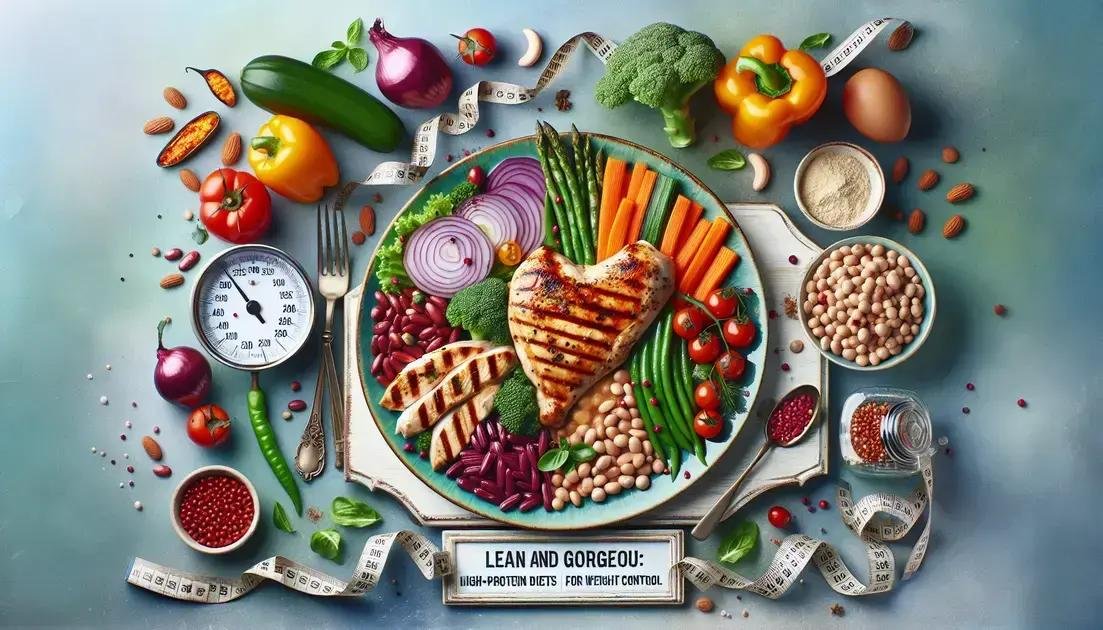
“Lean and Gorgeous: High-Protein Diets for Weight Control”
-
 Lucas Souza
-
 10, janeiro, 2025
Topics
 Shared


High-protein diets for weight management have become increasingly popular. Many people are turning to these diets in an effort to control their weight effectively.
This blog post will explore the benefits, sources, and practical applications of high-protein diets.
Including insights into best practices, common misconceptions, and meal planning, we aim to provide a comprehensive understanding of how high-protein diets make an impact.
Keep reading to explore how incorporating protein into your meals can truly assist in managing your weight effectively.
Understanding High-Protein Diets
Understanding High-Protein Diets involves recognizing their structure.
High-protein diets focus on increasing protein intake while reducing carbohydrates and fats.
These diets help improve muscle mass, boost metabolism, and promote fat loss.
Sources include meat, fish, eggs, dairy, legumes, and nuts.
It’s important to choose whole food sources rather than relying on supplements.
This approach leads to feelings of fullness and satisfaction, aiding in weight management.
Benefits of High-Protein Diets
Benefits of High-Protein Diets include numerous health advantages.
First, they promote weight loss by reducing hunger and increasing satiety. This makes it easier to consume fewer calories overall.
Second, they are effective for muscle preservation, especially during weight loss, ensuring that most of the weight lost is fat rather than muscle.
Additionally, high-protein diets can boost metabolism due to the thermic effect of food, which is higher for protein compared to fats and carbohydrates.
Enhanced energy levels, better mood, and improved overall health markers are other key benefits.
High-protein diets can also lead to improved bone health, muscle strength, and fat loss, making them appealing for those seeking to enhance fitness and well-being.
How Protein Affects Weight Management
How Protein Affects Weight Management is critical for those seeking effective weight control.
Protein plays a significant role in weight loss by boosting metabolism and reducing appetite.
Higher protein intake can lead to increased feelings of fullness, helping to limit overall calorie consumption.
Additionally, consuming adequate protein helps preserve muscle mass during weight loss.
This is important because more muscle means a higher resting metabolic rate, allowing for greater calorie burn throughout the day.
Furthermore, protein consumption stimulates the release of hormones that promote fullness, such as peptide YY, while also lowering levels of the hunger hormone ghrelin.
These effects make protein essential for successful weight management strategies.
Best Sources of Protein
Best Sources of Protein are vital for maintaining a high-protein diet.
Proteins can be sourced from various foods, including both animal and plant-based options.
Animal sources of protein include lean meats like chicken, turkey, and beef, as well as fish and dairy products such as yogurt and cheese.
These sources provide all essential amino acids that the body needs.
On the other hand, plant-based proteins come from foods like beans, lentils, tofu, quinoa, and nuts.
While plant proteins may not contain all essential amino acids, combining different sources can achieve a complete protein intake.
Choosing a variety of these sources ensures adequate protein while also providing additional nutrients necessary for overall health.
How Much Protein Do You Need?
How Much Protein Do You Need? varies among individuals based on factors like age, sex, physical activity, and health goals.
Generally, adults should aim for about 46 grams per day for women and 56 grams for men.
However, those involved in intense physical activities or strength training may require more protein to support muscle repair and growth.
A common guideline suggests consuming approximately 0.8 grams of protein per kilogram of body weight for sedentary adults.
For active individuals, this recommendation can increase to 1.2 to 2.0 grams per kilogram.
It’s essential to calculate personal needs based on lifestyle, ensuring a balanced intake of protein to optimize health and fitness.
High-Protein Meal Planning
High-Protein Meal Planning is essential for those following a high-protein diet.
Start by determining your daily protein needs based on your activity level and goals.
Plan your meals to include a variety of protein sources, such as lean meats, dairy, legumes, and nuts.
Consider prepping meals in advance to reduce time spent cooking during the week.
Create a balanced plate by including vegetables and healthy fats alongside your protein.
Snacking is also crucial; choose protein-rich options like Greek yogurt, edamame, or protein bars.
This approach ensures you meet your protein requirements while enjoying diverse and satisfying meals.
Meal planning will help you stay on track, maintain portion control, and ultimately support your weight management goals.
Common Myths About High-Protein Diets
Common Myths About High-Protein Diets can prevent many people from reaping the benefits of these eating plans.
One common myth is that high-protein diets are only for bodybuilders or athletes; however, anyone can benefit from increased protein intake.
Another misconception is that high-protein diets cause kidney damage. This concern mainly applies to those with existing kidney issues, not healthy individuals.
Some also believe consuming too much protein leads to weight gain, but it can help with weight loss by promoting fullness.
Additionally, many think all protein sources are equal, while quality matters.
Understanding these myths helps people make informed dietary choices and succeed in their weight management journey.
Potential Risks of High-Protein Diets
Potential Risks of High-Protein Diets should be considered when adopting this eating plan.
One concern is kidney damage, especially for those with existing kidney conditions, as excessive protein can strain the kidneys.
Another risk is increased calcium loss, which may affect bone health over time.
High-protein diets can also lead to digestive issues, such as constipation, if fiber intake is neglected.
Some people may experience dehydration due to increased nitrogen waste from protein metabolism.
Weight fluctuations can occur if individuals do not maintain a balanced diet.
Lastly, over-reliance on protein supplements can lead to nutritional imbalances.
It is essential to monitor overall nutrient intake and consult a healthcare professional before making significant dietary changes.
Incorporating Protein in Every Meal
Incorporating Protein in Every Meal is key to achieving a balanced diet.
Start by including a protein source at breakfast, such as eggs, Greek yogurt, or cottage cheese.
For lunch and dinner, incorporate lean meats like chicken or turkey, fish, or plant-based proteins like beans and lentils.
Snacks are also important; choose options like nuts, protein bars, or hummus with vegetables.
When preparing meals, consider adding protein-rich ingredients, such as tofu in stir-fries or quinoa in salads.
Using protein powders in smoothies can boost intake effortlessly.
This strategy ensures consistent protein consumption throughout the day, supporting energy levels and muscle maintenance.
High-Protein Recipes for Weight Loss
High-Protein Recipes for Weight Loss can make meal prep enjoyable and nutritious.
Start with a chicken stir-fry. Sauté diced chicken breast with colorful vegetables like bell peppers and broccoli. Season with low-sodium soy sauce for flavor.
Another option is quinoa salad. Combine cooked quinoa with black beans, cherry tomatoes, and avocado, topped with lime juice for a refreshing meal.
For breakfast, try protein pancakes, made from oat flour and egg whites, served with fresh fruit.
Greek yogurt parfaits layered with berries and nuts provide a satisfying snack.
These recipes are not only high in protein but also delicious, aiding in weight loss and keeping you full longer.
Success Stories: High-Protein Diets
Success Stories: High-Protein Diets showcase the effectiveness of these eating plans.
Many individuals have successfully lost weight and improved their health by increasing protein intake.
For instance, one woman lost 30 pounds in three months by swapping high-carb meals for protein-rich options like grilled chicken and legumes.
Another man reported enhanced energy and muscle definition after integrating protein smoothies into his fitness routine.
Many athletes also highlight that a protein-focused diet has helped them recover faster after workouts.
These success stories illustrate that high-protein diets can lead to sustainable weight management and healthier lifestyles for diverse individuals.
Frequently Asked Questions About Protein and Weight
Frequently Asked Questions About Protein and Weight often revolve around its role in dieting and health. Many wonder how protein aids in weight loss. The answer lies in its ability to enhance satiety and boost metabolism, helping to control appetite.
Another common question is, ‘Can I consume too much protein?’ While it’s essential to meet your protein needs, excessive intake can lead to potential health issues, particularly for individuals with certain health conditions.
Best Time to Consume Protein
People may also ask about the best time to consume protein; having it throughout the day is beneficial for muscle repair and maintenance.
Plant-Based vs. Animal Proteins
Lastly, some inquire whether plant-based proteins are as effective as animal proteins. The answer is yes, as long as a variety of protein sources are included in the diet to obtain essential amino acids.
Conclusion
High-protein diets offer effective solutions for weight management and overall health.
By incorporating a variety of protein sources, individuals can enjoy numerous benefits such as increased satiety, better metabolism, and muscle preservation.
Understanding the right amount of protein needed, alongside meal planning and addressing common myths, ensures a sustainable approach.
With the success stories and practical recipes shared, individuals are more equipped to embrace protein-rich meals and achieve their health goals.
Frequently Asked Questions about Protein and Weight Loss
How does protein aid in weight loss?
Protein enhances satiety, helping to control appetite and reduce overall calorie intake.
Can I consume too much protein?
While protein is essential, excessive intake may lead to potential health issues, especially for individuals with existing health conditions.
What is the best time to consume protein?
It’s beneficial to consume protein throughout the day for muscle repair and maintenance.
Are plant-based proteins as good as animal proteins?
Yes, plant-based proteins can be just as effective if a variety of sources are included to provide essential amino acids.
