-

- Health and Beauty
- Discover Rapid Weight Loss Secrets for Health and Beauty Without Exercise
 Return blog

Discover Rapid Weight Loss Secrets for Health and Beauty Without Exercise
-
 Maria Duarte
-
 21, janeiro, 2025
Topics
 Shared


Losing weight can be a daunting task, especially if traditional exercise isn’t on your agenda.
However, learning how to lose weight fast without exercise can be seamlessly integrated into your daily life by focusing on dietary changes and other lifestyle modifications.
In this guide, we’ll explore practical tips that focus on what you eat, how you rest, and how to manage your day-to-day routine effectively.
Let’s dive in to discover strategies that can help you achieve your weight loss goals efficiently.
Understand What Causes Weight Gain
Many factors contribute to weight gain. It is essential to understand these underlying causes to address them effectively.
Genetics can play a role, influencing metabolism and body composition.
Dietary choices also matter significantly; consuming more calories than your body burns leads to weight gain.
Emotional factors, such as stress or depression, can result in overeating and poor food choices.
Lifestyle habits, including lack of sleep and sedentary behavior, further complicate weight management.
Focus on Your Diet

Focusing on your diet is crucial for effective weight loss. Start by ensuring your meals are rich in nutrients while remaining low in empty calories.
Incorporating a variety of whole foods, such as vegetables, fruits, lean proteins, and whole grains, provides essential vitamins and minerals.
Meal planning can help manage food choices and prevent impulsive eating.
Pay attention to snack options; opt for healthier alternatives like nuts or yogurt instead of junk food.
Additionally, consider eliminating processed foods, which are often high in sugar, salt, and unhealthy fats.
Hydration: Drink More Water
Staying hydrated is essential for overall health and can aid in weight loss. Drinking water helps to boost metabolism and can reduce hunger.
Aim to drink at least eight 8-ounce glasses of water per day, but more is often better. Consider replacing high-calorie beverages like soda and juice with water. Drinking water before meals may also help you eat less.
Carrying a reusable water bottle can remind you to hydrate throughout the day. Herbal teas and other non-caloric drinks can supplement your water intake.
Monitor Your Portions

Monitoring your portions is vital for maintaining a healthy weight.
Eyeing serving sizes helps you avoid overeating. One method is to use smaller plates, which can trick your mind into thinking you are consuming more food.
Additionally, pay attention to food labels to understand serving sizes better. Consider measuring cups or a food scale for precision.
Eating slowly and savoring each bite can also help you gauge when you are full, preventing unnecessary calorie intake.
Prioritize Sleep Quality
Prioritizing sleep quality is vital for effective weight management. Poor sleep can lead to weight gain by altering the body’s hunger hormones, such as ghrelin and leptin.
Aim for 7-9 hours of restful sleep each night. Establishing a calming bedtime routine can help signal your body that it’s time to wind down.
Avoid caffeine and electronic devices before bed, as they can disrupt sleep patterns. Creating a comfortable sleep environment, including a dark, cool, and quiet room, can also improve sleep quality.
Mindful Eating Practices
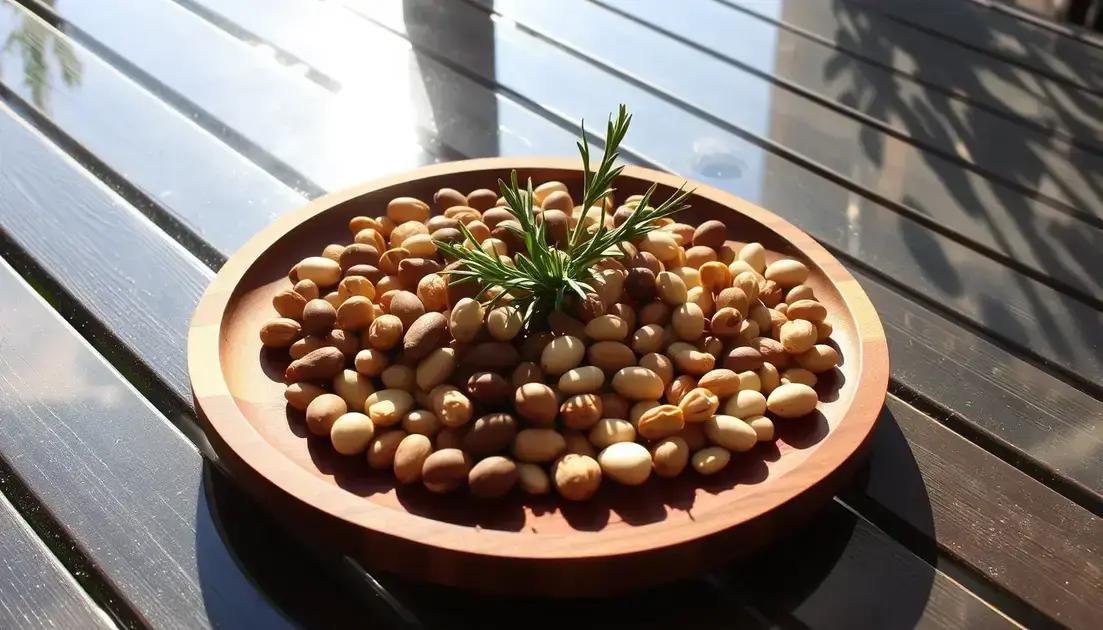
Mindful eating practices can greatly enhance your weight management efforts. This approach encourages you to be fully present during meals, which can lead to better food choices and a more satisfying eating experience.
Start by eliminating distractions, such as screens, while you eat. Focus on the taste, texture, and aroma of your food. Taking small bites and chewing thoroughly can also help you become more aware of your hunger cues.
Recognizing Fullness
Learn to recognize when you are full, allowing you to stop eating before you overindulge. Implementing these practices can lead to improved digestion and a healthier relationship with food.
Incorporate Dietary Supplements
Incorporating dietary supplements can support your weight loss journey when done correctly.
Vitamins and minerals play a critical role in maintaining overall health, and some supplements can aid in metabolism.
Popular options include fiber supplements, which help you feel full longer, and protein powders, which assist in muscle-building and recovery.
Before starting any supplement, it is advisable to consult a healthcare professional to ensure safety and effectiveness.
Always prioritize a balanced diet filled with whole foods but consider supplements as a helpful addition to fulfill any nutritional gaps.
Stress Management Techniques

Managing stress is essential for maintaining a healthy weight. Chronic stress can lead to emotional eating, where people consume unhealthy foods to cope.
To manage stress effectively, practice relaxation techniques such as deep breathing, meditation, or yoga. Regular physical activities, even simple walks, can also reduce stress levels.
Establishing a support system of friends, family, or professional counselors provides an outlet for sharing feelings. Finally, ensure you allocate time for hobbies and interests, helping to distract from stressors and promote a balanced state of mind.
Reduce Sugar Intake
Reducing sugar intake is a crucial step in managing weight effectively. High sugar consumption can lead to excess calorie intake and may contribute to fat storage.
Begin by identifying sources of added sugars in your diet, such as sugary drinks, candies, and desserts. Opt for natural sweeteners like honey or maple syrup in moderation.
When shopping, read labels carefully to avoid hidden sugars in processed foods. Aim to replace sugary snacks with healthier alternatives like fruits, which provide fiber and nutrients while satisfying your sweet cravings.
Increase Protein Consumption

Increasing protein consumption can significantly support weight loss and muscle maintenance. Proteins help to keep you feeling full longer, which can reduce overall calorie intake. Incorporate sources of lean protein such as chicken, turkey, fish, tofu, and legumes into your meals.
Aim for protein-rich snacks like Greek yogurt or nuts as healthier options throughout the day. Aiming for 20-30 grams of protein per meal is a good target. This not only helps in weight management but also boosts your metabolism, aiding in fat loss.
Opt for High-Fiber Foods
Opting for high-fiber foods can greatly enhance your weight loss journey and improve digestive health.
Fiber helps you feel fuller longer, reducing the urge to snack between meals. Include foods such as fruits, vegetables, whole grains, and legumes in your daily diet.
Aim for at least 25-30 grams of fiber daily for optimal benefits. Snacking on high-fiber foods like nuts or seeds can keep you satisfied.
Remember to increase fiber intake gradually and drink plenty of water to help manage digestion.
Assess and Adjust Lifestyle Habits

Assessing and adjusting your lifestyle habits is vital for sustainable weight loss. Start by keeping a food diary to track what you eat and identify areas for improvement.
Evaluate your daily routine to determine if you are leading a sedentary lifestyle or not. Incorporate more movement into your day, such as walking during breaks or taking the stairs.
Setting achievable goals, like reducing screen time or increasing your daily activity level, can lead to positive changes.
Regularly reflect on your progress and be open to modifying your lifestyle choices to better align with your weight loss objectives.
Conclusion
Successfully losing weight fast without exercise is achievable through various lifestyle changes. By understanding what causes weight gain and focusing on a balanced diet, hydration, and portion control, you can create a sustainable weight loss plan.
Prioritizing sleep quality, practicing mindful eating, and managing stress are also vital components. Additionally, increasing protein consumption, opting for high-fiber foods, and making necessary lifestyle adjustments can further enhance your journey.
Embrace these strategies to help you achieve your weight loss goals effectively and healthily.
FAQ – Weight Management and Healthy Living
What are the main causes of weight gain?
Weight gain can result from genetics, poor diet, emotional factors, and sedentary lifestyles.
How can I focus on my diet for weight loss?
Incorporate whole foods, meal plan, and choose healthier snacks to improve your diet.
Why is hydration important for weight loss?
Staying hydrated boosts metabolism and can help control hunger.
How can I monitor my portions effectively?
Use smaller plates and measure food to avoid overeating.
How does sleep quality affect weight loss?
Poor sleep can disrupt hunger hormones, leading to weight gain.
What are mindful eating practices?
Mindful eating involves focusing on the food while eliminating distractions to improve satisfaction.
Are dietary supplements necessary for weight loss?
They can support weight loss but should complement a balanced diet.
How can I manage stress to avoid weight gain?
Engage in relaxation techniques, exercise, and maintain a support system to manage stress.
Why should I reduce sugar in my diet?
Reducing sugar helps prevent excess calorie intake and supports weight loss.
How does increasing protein help with weight loss?
Protein keeps you full longer and helps boost metabolism.
What are some good high-fiber foods?
Fruits, vegetables, whole grains, and legumes are excellent sources of fiber.
How can I assess my lifestyle habits?
Track your food intake and daily activities to identify areas for improvement.
