-

- Health and Beauty
- Unlock Radiant Health: Simple Tips to Lower Cholesterol for Beauty Boost!
 Return blog
Unlock Radiant Health: Simple Tips to Lower Cholesterol for Beauty Boost!
-
 Maria Duarte
-
 24, janeiro, 2025
Topics
 Shared


Lowering cholesterol is essential for maintaining a healthy heart.
Many people face issues with high blood cholesterol levels, which can lead to serious health problems if left unchecked.
By understanding effective methods and natural remedies, individuals can successfully manage and reduce their cholesterol levels.
This article provides insights into cholesterol basics and explores practical strategies that can help you lower your cholesterol fast, keeping your heart healthy and your body strong.
Understanding Cholesterol Basics
Cholesterol is a fatty substance that your body needs to build healthy cells but too much can lead to health issues. It comes from two main sources: your body’s production and dietary intake.
Cholesterol types include LDL (bad cholesterol) and HDL (good cholesterol). Reducing LDL can be achieved through diet (foods rich in soluble fiber like oats, beans, and fruits), exercise (aim for at least 30 minutes most days), and in some cases, medications (like statins).
Natural Supplements and Lifestyle Changes
Natural supplements such as omega-3 fatty acids may also help. Key lifestyle changes include quitting smoking, moderating alcohol consumption, and maintaining a healthy weight.
It’s crucial to understand cholesterol test results and discuss them with a healthcare provider to manage risk, especially since high cholesterol can lead to heart disease and atherosclerosis.
Additionally, addressing stress through mindfulness and physical activity is important in managing cholesterol levels.
Foods That Help Lower Cholesterol
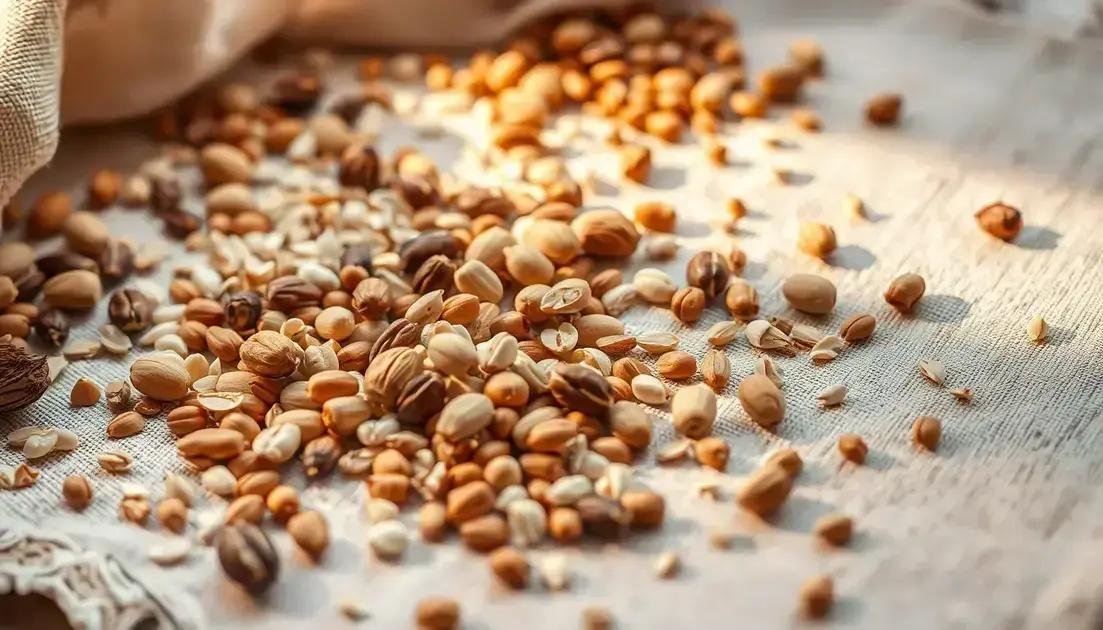
Foods That Help Lower Cholesterol include various healthy options that can assist in improving your heart health. Incorporating oats into your breakfast can be beneficial due to their high soluble fiber content.
Beans are another excellent choice as they are not only high in fiber but also low in fat, making them heart-healthy. Include fruits, especially those like apples and pears, which provide pectin, a type of soluble fiber that aids cholesterol reduction.
Include nuts like almonds and walnuts in your diet. These contain healthy fats and have been shown to improve cholesterol levels. Fatty fish, rich in omega-3 fatty acids, promote heart health and can lower triglycerides further.
Consider adding olive oil as a primary cooking oil; it is also known to improve cholesterol levels.
Avoid trans fats generally found in some baked and fried foods, and replace them with healthier fats. Whole grains, such as brown rice or quinoa, can further help in maintaining balanced cholesterol levels.
By including these foods in your diet, you can make significant strides toward lowering your cholesterol effectively.
Exercise and Its Impact on Cholesterol Levels
Exercise and Its Impact on Cholesterol Levels is significant for maintaining heart health.
Regular physical activity can help raise HDL, the good cholesterol, while lowering LDL, the bad cholesterol levels.
Aim for at least 150 minutes of moderate aerobic exercise each week, such as brisk walking, swimming, or cycling.
Incorporating strength training exercises at least two times a week can also be beneficial.
Activities like weight lifting, resistance band workouts, or body-weight exercises help improve overall body composition, which can decrease cholesterol levels.
The key is consistency; making exercise a regular part of your routine leads to the best results.
Even simple activities like taking the stairs instead of the elevator, walking during lunch breaks, or gardening can add to your daily exercise total.
Keeping active not only helps with cholesterol but also promotes overall well-being, reducing the risk of heart disease and other health problems.
The Role of Medications in Cholesterol Management

The Role of Medications in Cholesterol Management is essential for many people diagnosed with high cholesterol.
Medications, like statins, help lower LDL cholesterol levels. Statins work by blocking a substance your body needs to make cholesterol, thus preventing heart disease and stroke.
Other types include fibrates, which help lower triglycerides and increase HDL cholesterol. Additionally, niacin can raise HDL and lower LDL while bile acid sequestrants remove cholesterol from the bloodstream.
It’s important to combine medications with a healthy lifestyle, including diet and exercise, for more effective management. Always discuss options with a healthcare professional to find the best medication suited for your health needs.
Natural Supplements for Cholesterol Reduction
Natural Supplements for Cholesterol Reduction can play an important role in managing cholesterol levels. Certain supplements, such as omega-3 fatty acids, are beneficial for heart health. These fats can be found in fish oil or flaxseed oil and help lower triglycerides.
Plant sterols and stanols are another option; these compounds block cholesterol absorption in the intestines. They can be added to foods like margarine or taken as supplements. Red yeast rice contains a substance similar to statins, which can help reduce LDL cholesterol.
Soluble fiber supplements, such as psyllium husk, can also support cholesterol management by working to lower total cholesterol levels.
Before starting any supplements, it’s crucial to consult with a healthcare professional. They can guide you on the right options and dosages based on your health needs.
Lifestyle Changes to Lower Your Cholesterol
Making lifestyle changes can significantly impact your overall health and cholesterol levels.
Here are some recommendations:
Diet:
Incorporate more fruits, more vegetables, and more whole grains into your meals. These foods are rich in fiber and can help lower cholesterol.
Weight Management:
Your goal should be to maintain a healthy weight. Even losing a small amount of weight can help improve cholesterol levels.
Exercise:
Engage in moderate physical activity for at least 30 minutes most days of the week.
Habits:
Quitting smoking can improve HDL cholesterol, and it’s important to limit alcohol consumption, as moderation is key.
Stress Management:
Practicing mindfulness or engaging in regular exercise can help maintain healthy cholesterol levels.
Interpreting Cholesterol Test Results
Interpreting Cholesterol Test Results is crucial for managing your health. Cholesterol tests measure different types of cholesterol in your blood, including total cholesterol, LDL (bad cholesterol), HDL (good cholesterol), and triglycerides. Understanding these numbers helps you and your doctor make informed health decisions.
A total cholesterol level under 200 mg/dL is considered healthy. A level between 200-239 mg/dL is borderline high, while levels above 240 mg/dL are high. For LDL, aim for less than 100 mg/dL; levels from 100-129 mg/dL are near optimal, while 130-159 mg/dL are borderline high.
HDL levels should be above 40 mg/dL for men and 50 mg/dL for women; higher levels are better. As for triglycerides, normal levels are less than 150 mg/dL. It’s important to discuss these results with your doctor to understand what they mean for your health and to determine the best action plan.
The Connection Between Cholesterol and Heart Disease

The Connection Between Cholesterol and Heart Disease is an important topic for understanding heart health.
High levels of LDL cholesterol can lead to the buildup of plaques in arteries, which narrows them and restricts blood flow. This condition, known as atherosclerosis, increases the risk of heart attacks and strokes.
Maintaining healthy cholesterol levels is vital for reducing these risks. HDL cholesterol, on the other hand, helps remove LDL from the bloodstream, making it essential to keep HDL levels high.
Regular check-ups and cholesterol tests can help individuals understand their cholesterol levels and the associated risks of heart disease.
Adopting a heart-healthy lifestyle that includes a balanced diet, regular exercise, and avoiding tobacco can significantly lower cholesterol levels and support cardiovascular health.
How Stress Affects Cholesterol Levels
How Stress Affects Cholesterol Levels is an important topic in understanding heart health.
When you experience stress, your body produces hormones like cortisol and adrenaline. These hormones can lead to increased appetite and cravings for unhealthy foods, which may elevate cholesterol levels over time.
Chronic stress can also cause the body to be in a constant state of alert, increasing inflammation and affecting how your body metabolizes fats and cholesterol. Studies show that individuals with high-stress levels often have higher LDL cholesterol levels.
To manage stress, incorporating regular physical activity such as walking, yoga, or meditation can be helpful. These practices not only help reduce stress but also promote better cholesterol profiles.
Remember that managing stress is crucial for overall heart health.
Avoiding Cholesterol-Lowering Mistakes

Avoiding Cholesterol-Lowering Mistakes is vital for effective heart health management. One common mistake is not staying consistent with medications. It’s essential to take prescribed medications as directed and not to skip doses.
Additionally, many people underestimate the impact of diet. Consuming fried foods and processed snacks can counteract cholesterol-lowering efforts.
Neglecting regular cholesterol checks is another error. Monitoring cholesterol levels helps track progress and adjust diets or medications as necessary.
Another mistake is assuming that all fats are bad; while trans fats and saturated fats should be limited, healthy fats from sources like avocado and olive oil can be beneficial.
Relying solely on supplements without lifestyle changes can also hinder progress. It’s important to combine supplements, like omega-3s, with a healthy diet and exercise.
Finally, avoid self-diagnosing or altering treatment plans without consulting a healthcare professional, as this can lead to unintended health risks.
Cholesterol Myths Debunked
Cholesterol Myths Debunked can help clarify misunderstandings about cholesterol and its effects on health. One common myth is that all cholesterol is bad. In reality, your body needs HDL (good cholesterol) to help remove LDL (bad cholesterol) from the bloodstream.
Another misconception is that cholesterol in food directly raises blood cholesterol levels. The truth is that saturated and trans fats have a more significant impact than dietary cholesterol alone.
Many people believe that only those with high cholesterol need to worry about heart disease. However, even individuals with normal cholesterol levels can be at risk due to other factors like family history, smoking, or high blood pressure.
Another myth suggests that medications can replace the need for a healthy lifestyle. While medications can help manage cholesterol levels, they are most effective when combined with a healthy diet and regular exercise.
Lastly, the belief that only older adults should monitor their cholesterol is incorrect. It’s essential for individuals of all ages to be aware of their cholesterol levels and maintain a healthy lifestyle to prevent potential heart issues in the future.
Developing a Personalized Cholesterol-Lowering Plan
 Conteúdo não disponível
Conclusion
In summary, managing cholesterol levels is essential for heart health. By understanding the basics of cholesterol, incorporating heart-healthy foods, engaging in regular exercise, and making necessary lifestyle changes, individuals can effectively lower their cholesterol.
Utilizing medications and natural supplements may also play a role, tailored to one’s specific health needs. Regular health check-ups and tests are crucial for monitoring progress.
By debunking myths and avoiding common mistakes, you can develop a personalized plan that promotes lasting heart health.
FAQ – Understanding Cholesterol Basics
What is cholesterol?
Cholesterol is a fatty substance necessary for building cells, but too much can lead to health issues.
What foods can help lower cholesterol?
Foods high in soluble fiber like oats, beans, fruits, and healthy fats like nuts and fatty fish can lower cholesterol.
How does exercise impact cholesterol levels?
Regular exercise can raise HDL (good cholesterol) and lower LDL (bad cholesterol), promoting heart health.
What role do medications play in managing cholesterol?
Medications like statins can lower LDL cholesterol levels and are often combined with lifestyle changes for effectiveness.
Are there natural supplements for cholesterol reduction?
Yes, omega-3 fatty acids, plant sterols, and fiber supplements can help manage cholesterol levels.
What lifestyle changes can lower cholesterol?
Eating a healthy diet, maintaining a healthy weight, exercising regularly, and managing stress can lower cholesterol.
How do I interpret cholesterol test results?
Total cholesterol under 200 mg/dL is healthy, with specific targets for LDL, HDL, and triglycerides that should be discussed with a doctor.
What’s the connection between cholesterol and heart disease?
High LDL cholesterol can lead to plaque buildup in arteries, increasing the risk of heart disease.
How does stress affect cholesterol?
Chronic stress can lead to higher LDL levels and increased unhealthy eating habits.
What are common mistakes in managing cholesterol?
Common mistakes include skipping medications, neglecting diet, and assuming cholesterol levels only matter for older adults.
What are some common myths about cholesterol?
Not all cholesterol is bad; HDL is necessary for health, and diet alone does not solely determine cholesterol levels.
How do I develop a personalized cholesterol-lowering plan?
Consult with a healthcare provider to create a plan that includes diet changes, exercise, and medication if needed.
