-

- Weight Loss
- Master Meal Prep: Quick Tips for Healthy Eating and Effective Weight Loss
 Return blog
Master Meal Prep: Quick Tips for Healthy Eating and Effective Weight Loss
-
 Lucas Souza
-
 19, janeiro, 2025
Topics
 Shared


Welcome to Meal Prepping 101: Tips for Quick and Healthy Meals.
Discover how to take control of your diet and streamline your cooking process with meal prepping.
By organizing your kitchen and planning ahead, you can enjoy nutritious meals without spending hours in the kitchen daily.
Let’s explore essential tools, quick meal ideas, and storage tips to revolutionize your meal experience.
Understanding Meal Prepping Basics
Meal prepping is the practice of preparing meals in advance to save time and stress during the week. Understanding the basics of meal prepping can help you achieve a healthier lifestyle. Start by selecting a day each week dedicated to cooking and packaging your meals. Focus on dishes that can last several days in the fridge or can be frozen for future enjoyment. Keep in mind portion sizes and aim for a balance of proteins, carbohydrates, and healthy fats in each meal.
Essential Tools for Meal Prepping
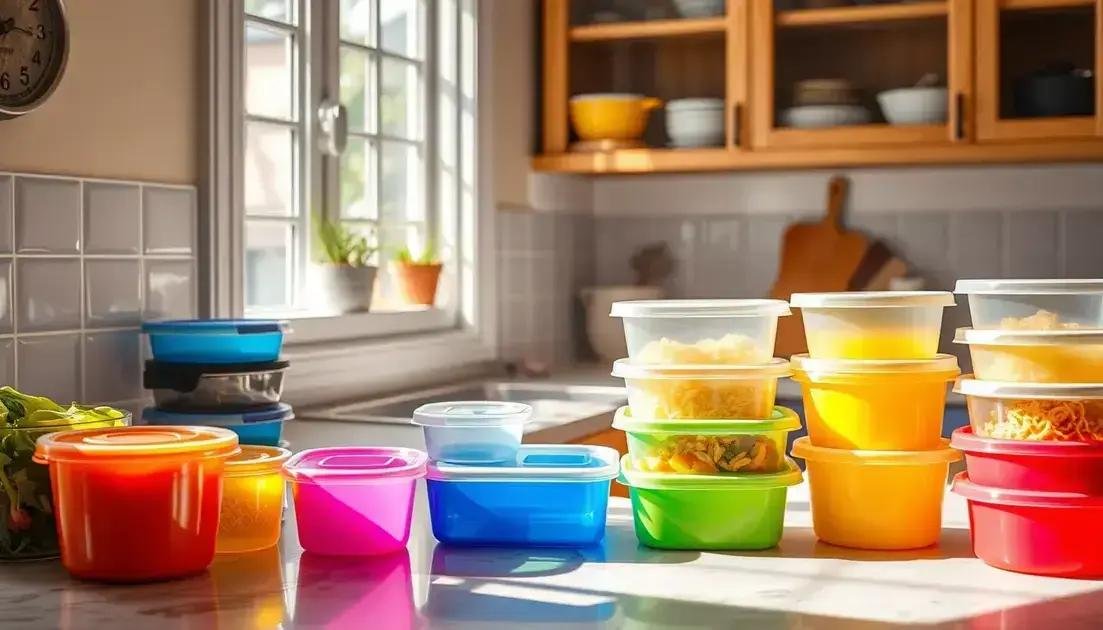
To succeed in meal prepping, investing in essential tools can make a significant difference. Start with high-quality, airtight containers that come in various sizes for easy storage.
A sharp chef’s knife and a sturdy cutting board are vital for efficient chopping. Use measuring cups and spoons to ensure accurate portions.
A slow cooker or multi-cooker like an Instant Pot can simplify cooking, allowing you to prepare meals with minimal supervision.
Additionally, a food scale can help you ensure portion sizes align with your dietary goals. These tools will not only enhance the meal prep process but also help maintain freshness and flavor in your meals.
Best Ingredients for Healthy Meal Prepping
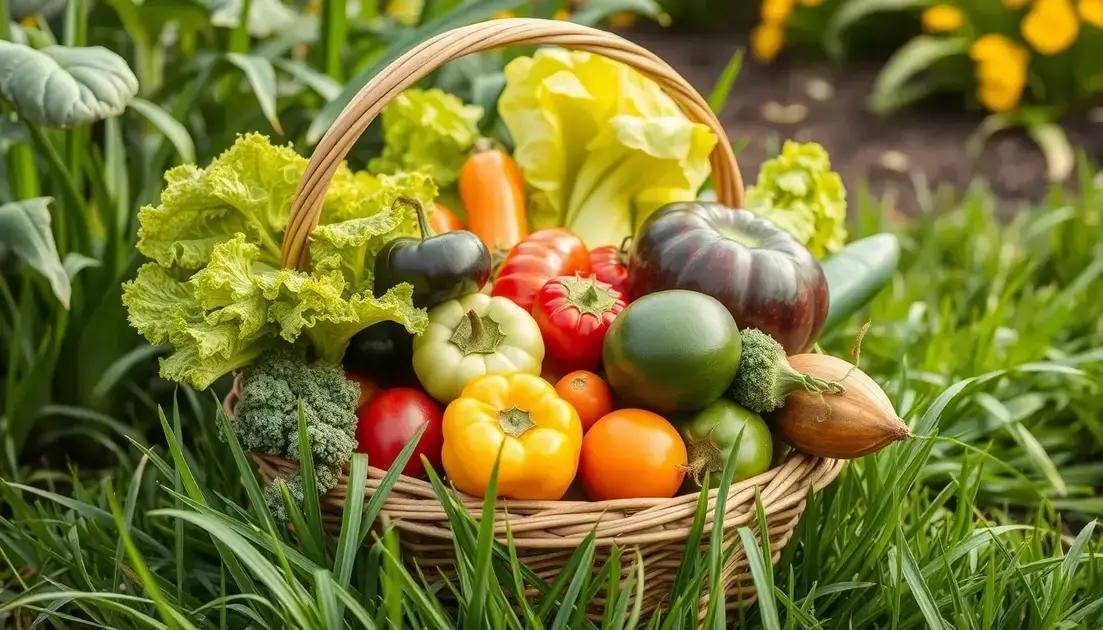
Choosing the right ingredients is vital for successful meal prepping. Start with fresh fruits and vegetables, which provide essential vitamins and minerals.
Lean proteins, such as chicken, turkey, and fish, should be key components of your meals. Whole grains like brown rice, quinoa, and whole wheat pasta offer healthy carbohydrates that keep you full longer.
Don’t forget healthy fats from sources like avocados, nuts, and olive oil. When meal prepping, focus on ingredients that are versatile and can be used in multiple recipes.
This approach saves time and keeps meals interesting.
5 Quick Meal Prep Ideas
Here are five quick meal prep ideas you can easily make in advance.
1. Prepare grilled chicken with seasonal veggies: Season chicken breasts and grill with bell peppers and zucchini for a balanced meal.
2. Make stir-fry with tofu: Cut tofu into cubes, sauté with broccoli and carrots, and serve over brown rice.
3. Create overnight oats: Combine rolled oats with almond milk and your choice of fruit in jars.
4. Cook turkey chili: Brown ground turkey, add canned tomatoes, beans, and spices, then let simmer.
5. Mix quinoa salad: Combine cooked quinoa with black beans, corn, chopped bell peppers, and a lime dressing.
These meals are nutritious and can be stored for several days!
Organizing Your Kitchen for Meal Prep
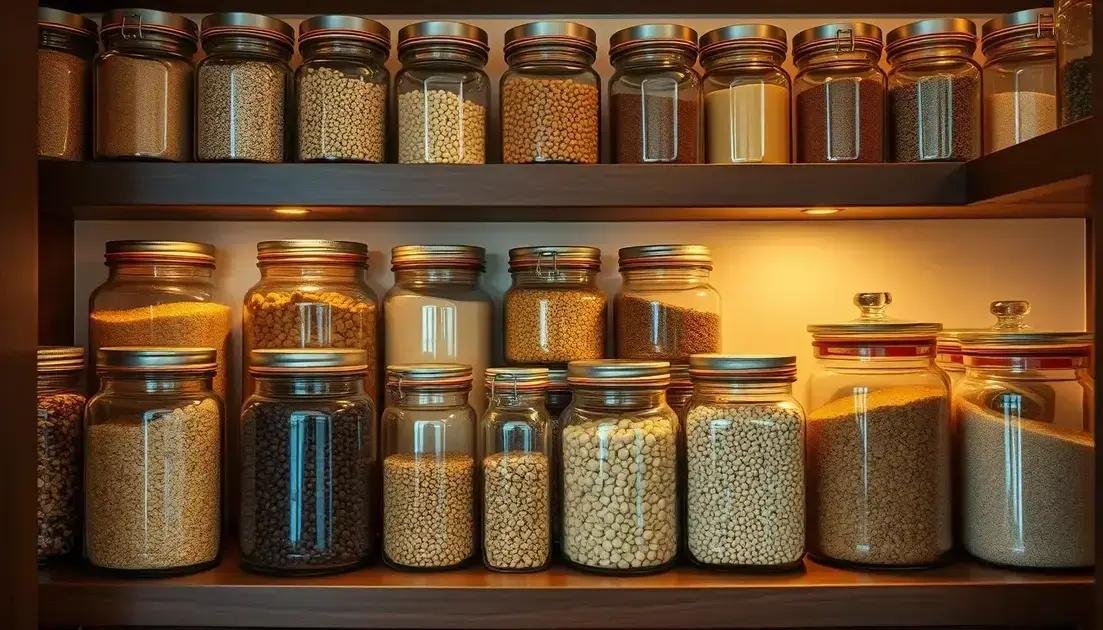
Organizing your kitchen is essential for efficient meal prep. Begin by decluttering your space. Remove items you don’t use regularly.
Next, group similar items together, like spices, canned goods, and kitchen tools. Make sure your most frequently used ingredients and tools are within reach.
Use labels on containers and shelves to easily find items. Create a designated prep area with cutting boards, knives, and mixing bowls.
Keep your fridge and pantry organized so that fresh ingredients are easy to spot. This organization will streamline your cooking process and make meal prepping enjoyable.
Meal Prep Scheduling for Busy People
If you’re a busy person, scheduling your meal prep is super important. Choose one day a week, like Sunday, to plan and prepare.
List the meals you want to cook and shop for the ingredients beforehand. This way, you save time during the week.
You can also prep smaller portions for lunches and snacks, so you can grab them on the go.
Blocking time on your calendar for meal prep helps make it a habit. Consistency is key for staying on track with your meal goals.
How to Store Prepped Meals Safely
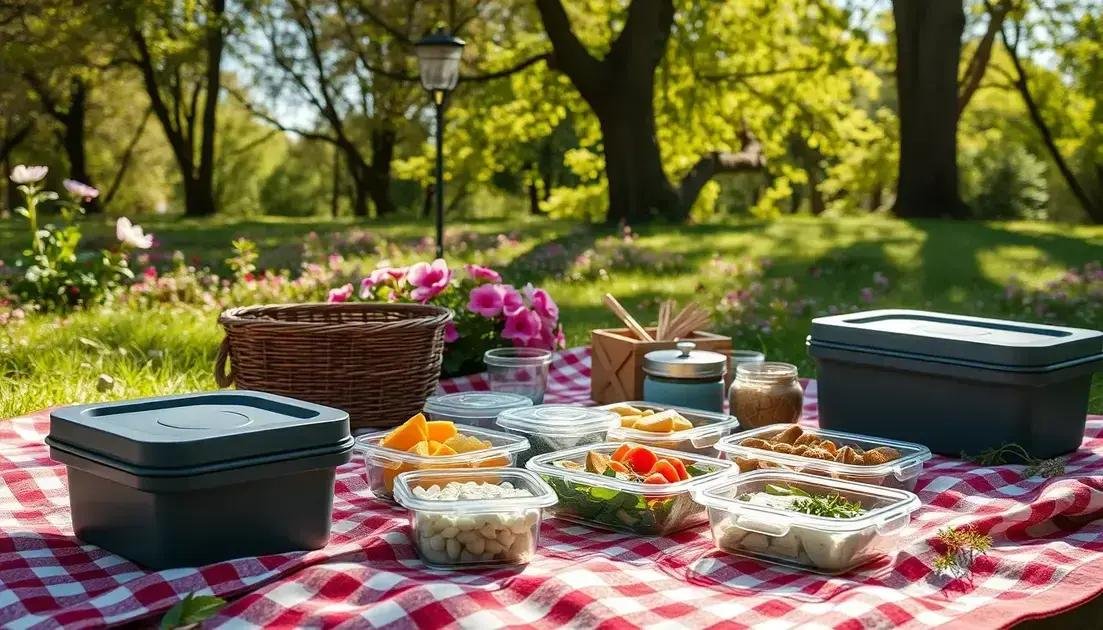
Storing prepared meals safely is crucial to maintain their freshness and quality. Start by letting your meals cool down to room temperature before placing them in the refrigerator or freezer.
Use airtight containers to prevent moisture and air from spoiling the food. Label containers with the meal name and date to track freshness.
Most cooked meals can last in the fridge for up to four days and can be frozen for two to six months, depending on the type of food.
When reheating, ensure that meals reach the right temperature to kill any bacteria. This way, you can enjoy safe and delicious meals throughout the week.
Shopping Tips for Effective Meal Prepping
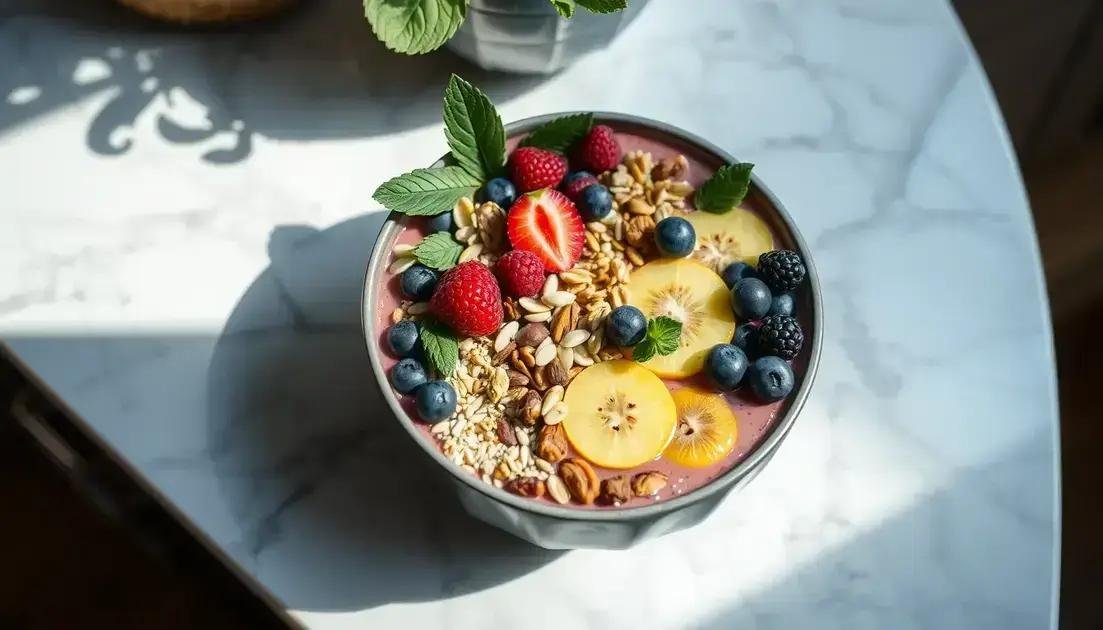
When it comes to effective meal prepping, shopping strategically ensures you have all the necessary ingredients.
Start by making a detailed grocery list based on your meal plan for the week. This helps you avoid impulse buys.
Choose fresh, seasonal fruits and vegetables for the best flavor and nutrition. It’s also smart to stock up on pantry staples like grains and legumes, which have a long shelf life.
Consider shopping in bulk for items you use frequently to save money. Always check your pantry and fridge before shopping to avoid buying duplicates.
This way, you will have everything you need for successful meal prep without overspending.
Avoiding Common Meal Prep Mistakes
Avoiding common meal prep mistakes is key to a successful experience. One mistake is overcomplicating meals with too many ingredients or steps. Stick to simple recipes to save time.
Another error is not planning according to your weekly schedule; life can change quickly, and your meal prep should adapt.
Meal Freshness
Also, avoid prepping too far in advance; meals are freshest when consumed within a few days.
Lastly, many people forget to label their containers; this leads to confusion about what to eat first.
By recognizing these mistakes, you can streamline your meal prep for better results.
Customizing Meal Plans to Fit Your Diet
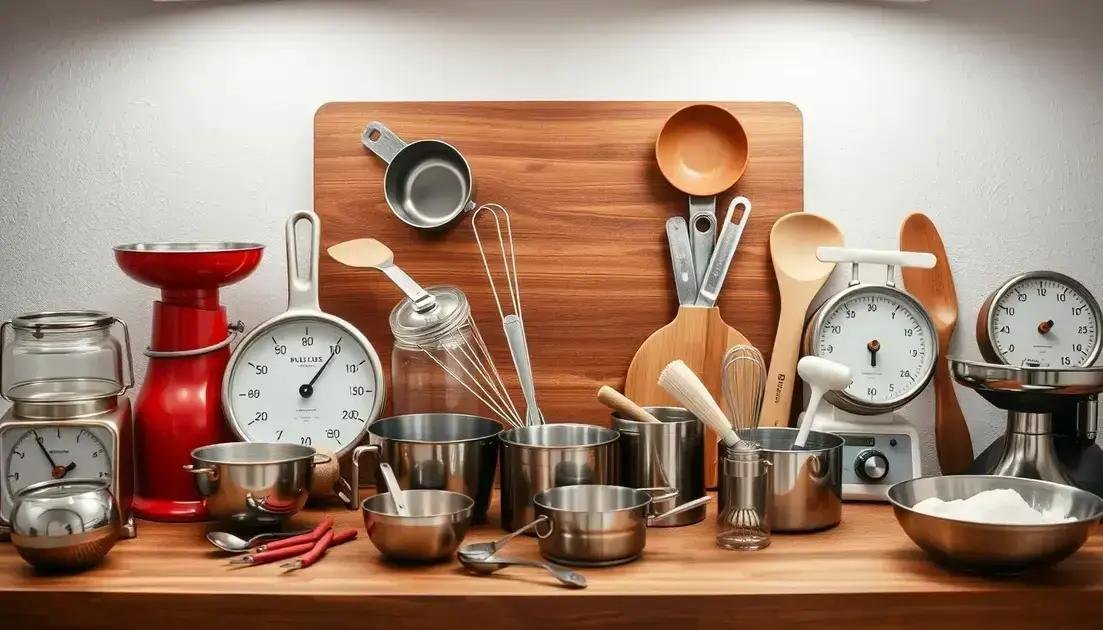
Customizing your meal plans is important to meet your specific dietary needs and preferences. Start by understanding your nutritional requirements based on your health goals. Whether you are aiming to lose weight, build muscle, or maintain a balanced diet, your meal plan should reflect these aims. Consider consulting with a nutritionist for personalized advice.
Incorporate a variety of food groups to ensure you get a well-rounded diet. Choose lean proteins, whole grains, healthy fats, and plenty of fruits and vegetables. Additionally, adjust portion sizes according to your activity level and nutritional goals.
Don’t hesitate to swap out ingredients you don’t enjoy with alternatives that fit your dietary restrictions. For example, if you are gluten-free, substitute regular pasta with zucchini noodles or quinoa. Additionally, engaging with meal prep communities can provide inspiration and new ideas to keep your meal plans exciting.
Budget-Friendly Meal Prep Strategies
When it comes to budget-friendly meal prep strategies, planning is your best friend. Start by creating a weekly meal plan that utilizes seasonal and on-sale ingredients. This can significantly lower your grocery bills. Consider cooking in bulk; larger portions often cost less per serving while saving time. Using pantry staples like rice, beans, and lentils can extend your meals without adding much to the cost.
Another great tip is to incorporate leftovers creatively. For example, roast extra vegetables for one meal and use them in a salad or stir-fry later in the week. Don’t forget to check what you already have at home before shopping to avoid duplication.
Using coupons and shopping at local farmers’ markets can also help you save money. Lastly, meal prepping allows you to avoid eating out, which adds up quickly. With these strategies, you can eat healthy without breaking the bank.
Inspiration from Meal Prep Success Stories
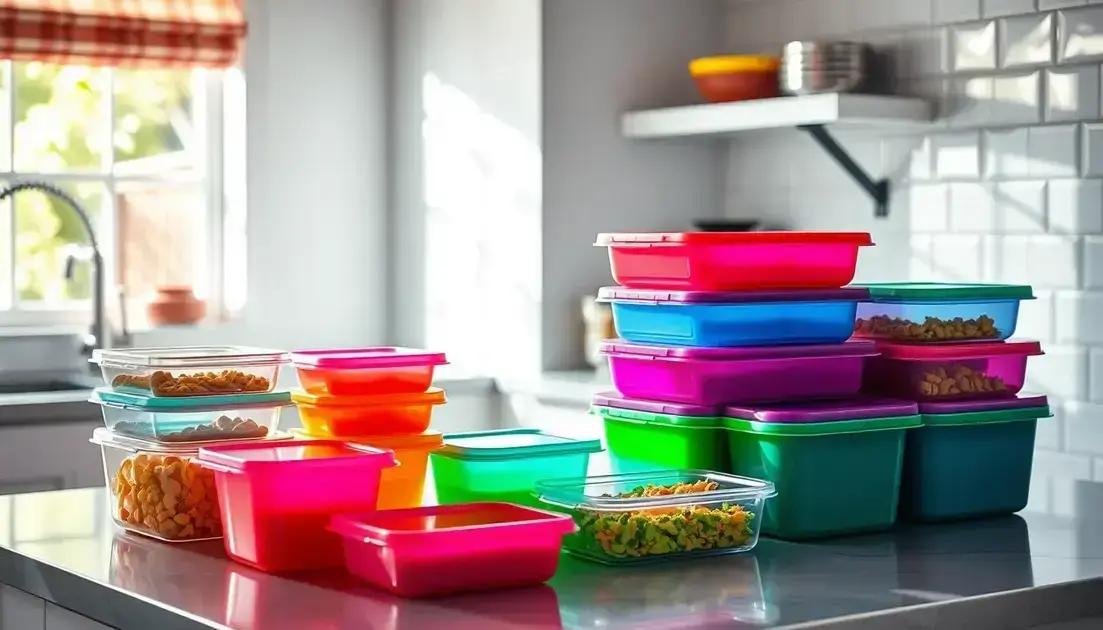
Looking for some inspiration from meal prep success stories? Many people have turned meal prepping into a life-changing habit. One common story is about someone who once struggled with unhealthy eating. By planning and prepping meals in advance, they saved time and improved their diet significantly. They started with simple recipes and gradually discovered new flavors and ingredients.
Another inspiring story comes from a busy parent. They found meal prepping to be a lifesaver for managing family meals and avoiding last-minute takeout. With prepped meals, they have more time for family activities while ensuring their children eat well.
Lastly, you can find many testimonials online from individuals sharing their creative meal prep ideas. Social media and blogs are filled with before-and-after stories showcasing successful weight loss journeys and healthier lifestyles. Learning from others can motivate you to start your own meal prep journey, making healthy eating accessible and enjoyable.
Conclusion
Meal prepping is an effective strategy for maintaining a healthy diet while saving time and money.
By understanding the basics, utilizing essential tools, and selecting the right ingredients, you can create enjoyable meals that fit your lifestyle.
With planning and organization, meal prepping can become a simple part of your routine.
Learn from others’ successes and make adjustments that work for you.
Start today and experience the benefits of preparing your meals in advance!
FAQ – Meal Prepping
What is meal prepping?
Meal prepping is the process of preparing meals in advance to save time and ensure healthy eating throughout the week.
Why should I meal prep?
Meal prepping helps in saving time, reducing stress during busy days, and ensuring that you have healthy meals available.
What essential tools do I need for meal prepping?
Essential tools include airtight containers, a sharp knife, cutting board, measuring cups, and potentially a slow cooker or instant pot.
How do I store prepped meals safely?
Let meals cool to room temperature, use airtight containers, and label them with names and dates before refrigerating or freezing.
Can meal prepping save me money?
Yes, meal prepping can save you money by reducing food waste, allowing you to buy in bulk, and decreasing the need for takeout.
How do I customize my meal plans to fit my diet?
Start by understanding your dietary needs, choosing ingredients you enjoy, and adjusting portion sizes according to your health goals.
