-

- Health and Beauty
- “Unlock Your Glow: Personalized Nutrition for Health & Beauty”
 Return blog
“Unlock Your Glow: Personalized Nutrition for Health & Beauty”
-
 Lucas Souza
-
 11, janeiro, 2025
Topics
 Shared


In today’s fast-paced world, personalized nutrition and diet plans are transforming how individuals approach their health and well-being.
By tailoring dietary recommendations to an individual’s unique genetic makeup, lifestyle, and health needs, these plans promise to maximize nutritional benefits and promote optimal health.
Discover how understanding your body’s specific requirements can guide you to better energy levels, improved mood, and enhanced overall wellness.
Explore the transformative power of personalized nutrition in this comprehensive guide and learn how to initiate your journey towards a healthier, more vibrant life.
Understanding Personalized Nutrition
Understanding Personalized Nutrition involves recognizing that each individual has unique nutritional needs. Factors such as genetics, health conditions, and lifestyle play significant roles in determining what diet works best.
Personalized nutrition moves away from the one-size-fits-all approach, aiming instead to create tailored dietary strategies that optimize health outcomes.
The Science Behind Personalized Diets
The Science Behind Personalized Diets focuses on understanding how individual variations influence nutritional needs.
Recent research shows that genetics, metabolism, and microbiome composition all contribute to how our bodies respond to food.
Studies indicate that tailored diets based on these factors lead to better health outcomes, weight management, and disease prevention.
By analyzing biomarkers and personal health data, nutritionists can craft diets that support each person’s unique biology, promoting optimized nutrient absorption and overall wellness.
Benefits of Tailored Nutrition Plans
Benefits of Tailored Nutrition Plans are numerous and impactful. These customized plans address individual dietary needs, preferences, and health goals.
Tailored nutrition can enhance metabolic efficiency, leading to better weight management and improved energy levels.
Moreover, optimized diets can reduce the risk of chronic diseases by providing essential nutrients that support overall health.
With a focus on personal preferences, these plans encourage adherence, making it easier for individuals to stick to healthy eating habits.
Significant improvements in mood and cognitive function are also reported, showcasing the profound effects of personalized dietary strategies.
How Personalized Diets Improve Health
How Personalized Diets Improve Health focuses on the profound impact of tailored nutrition on overall well-being.
Customized diets are designed to meet individual nutritional needs based on unique factors like age, gender, activity level, and health conditions.
By aligning food choices with personal health goals, these diets can effectively manage weight, lower blood pressure, and stabilize blood sugar levels.
Improved nutrient intake enhances immune function and promotes better mental clarity.
Furthermore, personalized diets can lead to higher adherence rates, as individuals are more likely to enjoy meals crafted for their tastes and requirements.
This proactive approach not only fosters healthier eating habits but also encourages long-term lifestyle changes that maintain optimal health.
Personalized Meal Planning
Personalized Meal Planning is essential for achieving specific health goals. This approach tailors meal components to fit individual preferences and nutritional needs.
With a personalized plan, users can enjoy a variety of foods that suit their lifestyle while ensuring they meet their dietary requirements. For instance, meal planning can be based on factors like allergies, fitness goals, and cultural preferences, making it more inclusive and enjoyable.
By utilizing planned meals, individuals can save time and reduce stress related to shopping and cooking. Incorporating flexibility in portion sizes and snack options is also crucial so that people can adapt their plans as necessary.
Overall, personalized meal planning promotes sustainable eating habits that support long-term health.
Nutrigenomics: Your Genes and Diet
Nutrigenomics: Your Genes and Diet refers to the study of how genes affect individual responses to nutrients and diet. This emerging field reveals that genetic variations can influence how our bodies metabolize and utilize food.
By understanding these interactions, personalized nutrition plans can be developed to optimize health. For example, some individuals may benefit from higher protein intake, while others may need more carbohydrates.
Nutrigenomic testing allows health professionals to identify these needs and recommend tailored diets. This holistic approach can lead to improved health outcomes, as dietary choices align more closely with one’s genetic predispositions.
Consultations with Nutrition Experts
Consultations with Nutrition Experts provide valuable insights into personalized nutrition. These professionals assess individual dietary needs through detailed discussions and evaluations.
During consultations, clients share their health goals, lifestyle habits, and any medical conditions. Nutrition experts then craft tailored strategies that suit each person. This approach ensures that dietary plans are not only effective but also sustainable.
As experts guide individuals through their journey, they can offer practical tips and adjustments, addressing any challenges that arise. Regular follow-ups help track progress and make necessary changes, promoting accountability and success in reaching health objectives.
Technology’s Role in Personal Nutrition
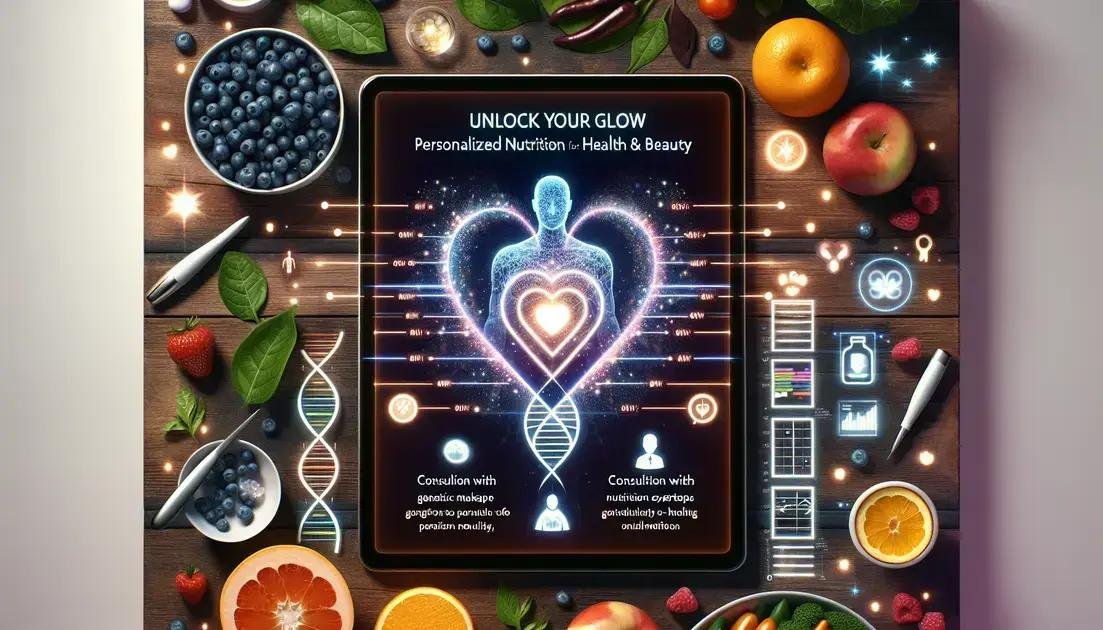
Technology’s Role in Personal Nutrition has revolutionized how individuals manage their diets.
Various apps and wearable devices track dietary intake and nutritional status.
These technologies allow users to input food choices, monitor daily calorie consumption, and analyze nutrient distribution.
Moreover, artificial intelligence provides personalized meal suggestions based on user preferences and dietary restrictions.
Technology also facilitates virtual consultations with nutritionists, making professional guidance more accessible.
As individuals become more health-conscious, these tools empower them to make informed decisions and stay accountable in their nutritional journeys.
Tracking Progress and Making Adjustments
Tracking Progress and Making Adjustments is crucial for ensuring the effectiveness of personalized nutrition plans.
Regular monitoring allows individuals to evaluate their dietary habits and health outcomes.
Utilizing food diaries, apps, or wearable technology can help track daily intake and physical activity.
This data can reveal patterns and areas for improvement.
Based on these insights, adjustments to meal plans can be made to enhance nutritional balance and optimize results.
Consulting with nutrition experts during this process can provide additional guidance, ensuring that changes align with individual goals and lifestyles.
Setting specific milestones will also keep individuals motivated and focused on their health journey.
Challenges and Solutions in Personal Dieting
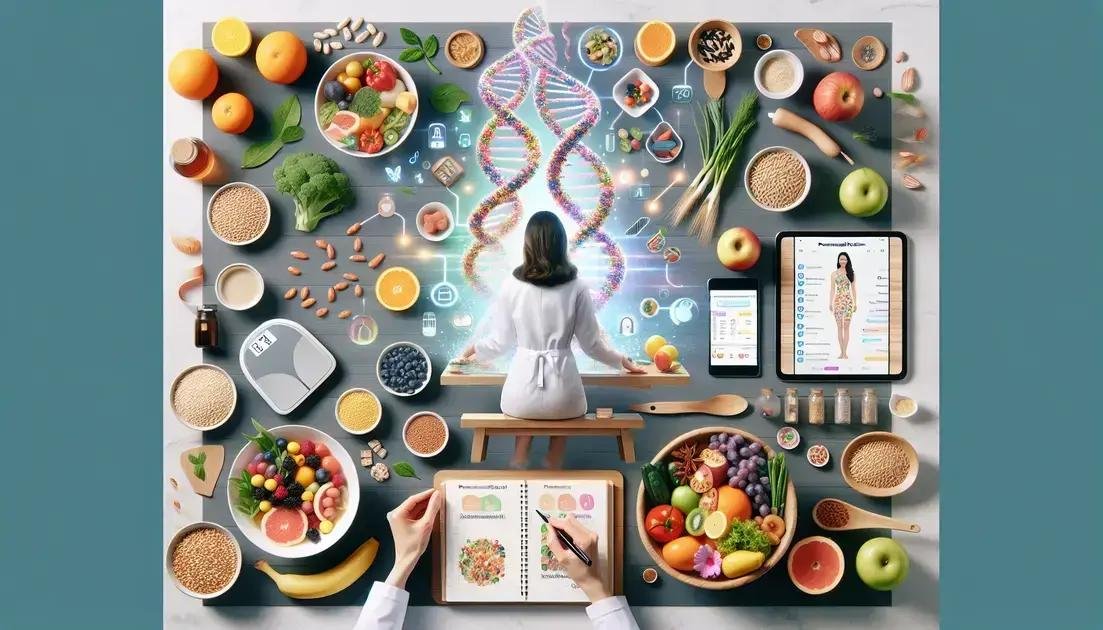
Challenges and Solutions in Personal Dieting highlight the common obstacles people face when adopting personalized nutrition plans.
One major challenge is the complexity of understanding nutritional information and making informed choices. To overcome this, individuals can utilize nutrition apps and resources that simplify food tracking and provide clear guidance.
Another issue is the temptation of unhealthy foods, especially in social situations. Planning ahead and preparing healthy snacks can help combat cravings.
Additionally, the lack of support from family or friends can hinder progress. Engaging in community groups or online forums can offer encouragement and accountability.
Identifying these challenges and proactively seeking solutions is essential for achieving long-term success in personal dieting.
Case Studies: Success Stories
Case Studies: Success Stories illustrate the effectiveness of personalized nutrition in real-life scenarios. Many individuals have transformed their health by adopting tailored diets that consider their unique needs. For example, one case study features a woman who struggled with weight management for years. After working with a nutrition expert, she implemented a personalized meal plan focusing on her specific metabolic rate and food preferences. Within months, she lost significant weight and experienced increased energy levels.
Another inspiring example is a man with diabetes who adopted a nutrigenomic approach. By customizing his diet based on his genetic profile, he successfully stabilized his blood sugar levels and improved his overall well-being. These success stories highlight the power of personalized nutrition, showcasing how individualized plans can lead to remarkable health improvements.
Future of Personalized Nutrition
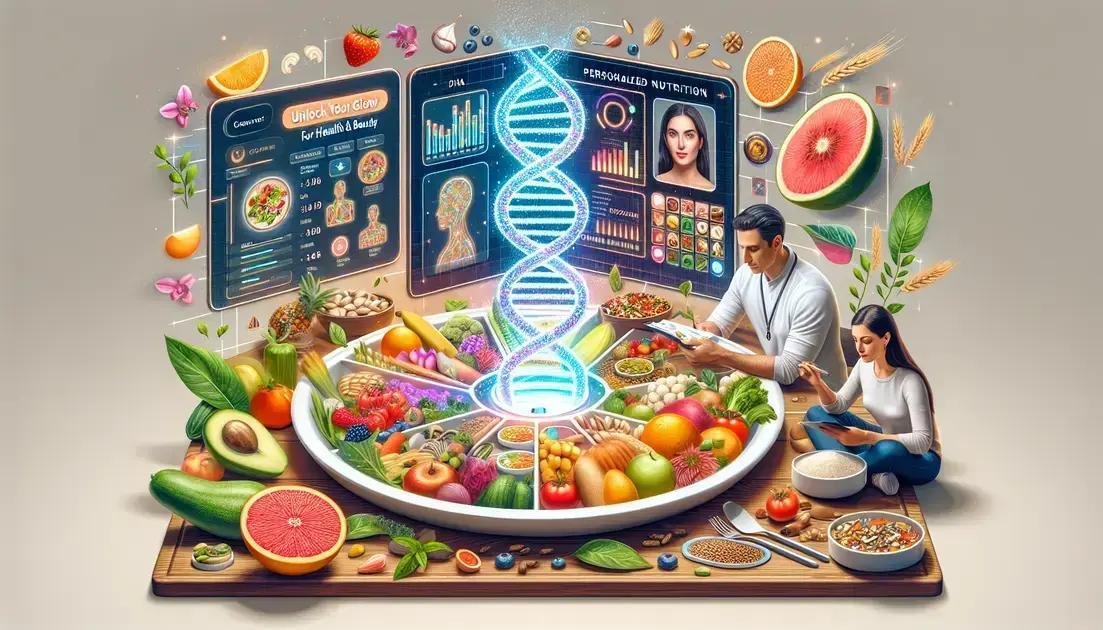
Future of Personalized Nutrition looks promising with advancements in science and technology.
As research continues, understanding individual dietary needs will become even more precise.
Innovations like wearable devices, artificial intelligence, and genetic testing are paving the way for more customized diets.
This evolution will allow nutritionists to analyze real-time data, adjusting recommendations based on user feedback and health metrics.
Furthermore, increased awareness about the importance of nutrition in disease prevention will drive demand for personalized approaches.
As this field grows, we can expect more accessible tools and resources, empowering individuals to take control of their health through tailored nutrition.
Conclusion
Personalized nutrition is transforming health and wellness by offering tailored dietary solutions that cater to individual needs.
Through the application of technology, consultations with nutrition experts, and an understanding of genetic factors, individuals can achieve better health outcomes.
The various benefits, including improved energy levels, weight management, and disease prevention, demonstrate the significance of customized diets.
As we look to the future, advancements in science will continue to enhance personalized nutrition, making it even more accessible and effective for everyone.
FAQ – Understanding Personalized Nutrition
What is personalized nutrition?
Personalized nutrition refers to dietary plans that are tailored to an individual’s specific health needs, preferences, and genetic makeup.
How does science impact personalized diets?
Science plays a crucial role by analyzing genetic, metabolic, and lifestyle factors to create effective and individualized dietary strategies.
What are the main benefits of tailored nutrition plans?
Tailored nutrition plans can lead to improved health, enhanced energy levels, better weight management, and reduced risk of chronic diseases.
In what ways do personalized diets improve health?
Personalized diets can optimize nutrient intake, enhance metabolic function, and provide tailored strategies for managing specific health conditions.
What is personalized meal planning?
Personalized meal planning involves creating food schedules and menus that fit individual preferences, nutritional needs, and health goals.
What is nutrigenomics?
Nutrigenomics is the study of how genes affect individual responses to nutrients, helping to create diets that optimize health based on genetic factors.
How can consultations with nutrition experts help?
Consultations provide personalized assessments and guidance, helping individuals create effective dietary strategies based on their specific needs.
How does technology enhance personalized nutrition?
Technology provides tools for tracking dietary habits, analyzing health data, and offering personalized meal suggestions based on real-time inputs.
Why is tracking progress important?
Tracking progress helps evaluate dietary effectiveness, allowing for necessary adjustments to ensure that health goals are being met.
What challenges might one face in personal dieting?
Common challenges include understanding nutrition complexities, temptations from unhealthy foods, and lack of social support.
Can you provide examples of success with personalized nutrition?
Many individuals have successfully lost weight and improved their health by following personalized nutrition plans that cater to their unique needs.
What does the future hold for personalized nutrition?
The future involves advancements in technology and science, making personalized nutrition more accessible and effective for everyone.
