-

- Weight Loss
- Transform Your Body: Postpartum Weight Loss Secrets Revealed
 Return blog

Transform Your Body: Postpartum Weight Loss Secrets Revealed
-
 Lucas Souza
-
 2, novembro, 2024
Topics
 Shared


Postpartum weight loss is a significant concern for many new mothers seeking to regain their pre-baby bodies.
Understanding the journey of losing weight after childbirth involves addressing both physical and emotional aspects.
This process can be challenging, but with the right approach that includes nutrition, exercise, and support, achievable results are within reach.
In this article, we will discuss effective strategies to manage postpartum weight loss while ensuring overall well-being.
Understanding Postpartum Weight Gain
Understanding Postpartum Weight Gain
Postpartum weight gain is a natural and common occurrence after childbirth, as a woman’s body undergoes significant changes during and after pregnancy. Factors such as hormonal fluctuations, fluid retention, and changes in metabolism contribute to how much weight is gained during this period.
It’s essential to understand that every woman’s body reacts differently, leading to a wide range of experiences with postpartum weight gain. While gaining weight during pregnancy is natural, many new mothers may feel pressure to lose this weight quickly, which can lead to unrealistic expectations and potential health issues.
Accepting the body’s journey and focusing on rejuvenation and health rather than just weight loss is crucial for mental and physical well-being. Recognizing that postpartum weight gain is a part of the motherhood experience can help mothers embrace their new bodies more positively.
The Importance of Nutrition After Childbirth
The Importance of Nutrition After Childbirth
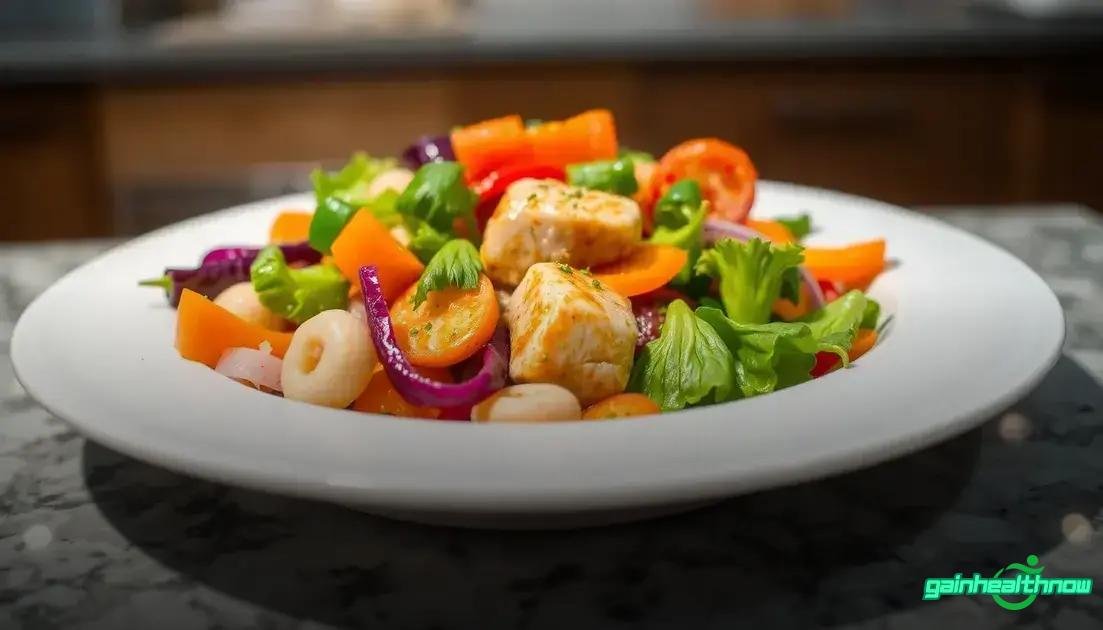
Nutrition plays a vital role in the health and recovery of new mothers after childbirth. During the postpartum period, a woman’s body needs essential nutrients to heal, produce milk for breastfeeding, and regain strength. A balanced diet rich in vitamins and minerals supports the immune system, helps in the repair of tissues, and aids in overall energy levels.
Key nutrients such as calcium, iron, and protein are crucial for recovery and to support the energy demands of taking care of a newborn. Additionally, proper nutrition can positively impact mood and mental health, which are often challenged in the postpartum phase.
It’s essential for new mothers to focus on whole foods, including fruits, vegetables, whole grains, and lean proteins, while staying hydrated. Consulting with a healthcare provider or a nutritionist can also help tailor dietary plans to meet individual needs, ensuring a healthier and sustainable recovery.
Safe Exercise Routines for New Mothers
After childbirth, it is essential for new mothers to approach exercise with caution and care. Engaging in safe exercise routines can help restore strength, improve mood, and support overall well-being.
Initially, activities such as walking or gentle stretching can be ideal, as they are low-impact and allow for gradual progression. Once cleared by a healthcare provider, new mothers can incorporate pelvic floor exercises, abdominal strengthening, and low-intensity aerobic workouts.
It’s crucial to listen to the body and avoid high-impact or strenuous activities until fully recovered. Joining a postnatal exercise class, if available, can provide a supportive environment while offering a structured program tailored for new mothers.
Remember, hydration and proper nutrition are key to supporting any exercise routine during this postpartum phase.
Setting Realistic Weight Loss Goals

Setting realistic weight loss goals is crucial for new mothers navigating the postpartum journey. Rather than aiming for drastic changes, it’s important to focus on gradual, sustainable progress. Aiming to lose 1 to 2 pounds per week is considered a healthy and attainable target. This allows the body ample time to adjust while ensuring that all nutritional needs are met during breastfeeding or recovery.
To create effective goals, new moms can consider factors such as their starting weight, individual health conditions, and lifestyle. Break down larger goals into smaller, actionable steps, such as committing to a specific number of workout sessions each week or incorporating healthier meal choices daily. Celebrate small victories along the way, as this can boost motivation and foster a positive mindset throughout the weight loss journey.
Common Challenges in Postpartum Weight Loss
Common Challenges in Postpartum Weight Loss
Postpartum weight loss can be accompanied by several challenges that may hinder progress for new mothers. One significant obstacle is the physical recovery from childbirth, which can make it difficult to engage in regular exercise. Additionally, hormonal changes can impact a woman’s metabolism and appetite, leading to cravings or fatigue. Lack of sleep is another common issue, as caring for a newborn can be exhausting and leave little time for personal wellness. Emotional factors, such as postpartum depression or anxiety, may also contribute to difficulties in maintaining a healthy lifestyle. Lastly, the overwhelming responsibility of motherhood can make prioritizing self-care and nutrition challenging. Recognizing these hurdles is essential, as it allows new mothers to approach their weight loss journey with compassion and understanding, paving the way for healthier habits without added pressure.
Hydration’s Role in Weight Management

Hydration’s Role in Weight Management
Hydration is a crucial element in weight management, particularly for new mothers navigating postpartum challenges. Drinking adequate water helps regulate metabolism, aids digestion, and can even suppress appetite, reducing the likelihood of overeating. Staying hydrated is essential, especially for breastfeeding mothers, as it supports milk production and overall health.
It’s recommended that new moms focus on consuming enough fluids throughout the day, incorporating water-rich foods such as fruits and vegetables. Additionally, sometimes cravings for food can be mistaken for thirst, so maintaining proper hydration can help differentiate between the two.
Encouraging regular water intake and developing a hydration habit can significantly boost a new mother’s weight loss efforts while enhancing her energy levels and well-being.
Mental Health and Weight Loss After Pregnancy
Mental health plays a pivotal role in weight loss after pregnancy. New mothers often face emotional challenges, including postpartum depression and anxiety, which can greatly affect motivation and overall well-being.
Stress and fatigue can lead to unhealthy eating habits or a lack of physical activity, making weight loss more difficult. It is crucial for mothers to prioritize mental health by seeking support from friends, family, or professionals.
Engaging in Self-Care Practices
Engaging in self-care practices, such as mindfulness, yoga, and counseling, can help improve mood and foster a healthier mindset. By addressing mental health proactively, new mothers can create a nurturing environment for themselves, which will, in turn, support their weight loss efforts and overall recovery experience.
The Benefits of Support Systems

The Benefits of Support Systems
Having a strong support system is invaluable for new mothers during the postpartum period. Friends, family, and community resources can provide emotional support, practical help, and encouragement, making the transition into motherhood smoother.
Emotional support from others can alleviate feelings of isolation and stress, which are common after childbirth. In addition, practical assistance, such as help with household chores or babysitting, allows new mothers to focus on their recovery and self-care.
Connecting with other mothers through support groups or online communities can also foster shared experiences and advice, helping to normalize the challenges faced.
By leaning on a support system, new mothers can enhance their resilience, improve mental health, and more effectively manage postpartum weight loss and overall well-being.
Tracking Your Progress Effectively
Tracking progress is an essential element for new mothers aiming for postpartum weight loss. It helps visualize advancements and keeps motivation high. There are several effective methods to track progress.
For instance, maintaining a food diary can help monitor calorie intake and nutrient composition while providing insights into eating patterns. Additionally, using fitness apps can assist in logging workouts and tracking physical activities, making it easier to adhere to exercise routines.
Regularly taking measurements, such as waist circumference and body weight, can also provide a clear picture of physical changes over time. It’s important to note that weight may fluctuate due to various factors, so focusing on overall health improvements and how clothes fit can offer a more comprehensive view.
Celebrating small milestones, such as improved stamina or increased strength, can further encourage continued progress and highlight the journey of postpartum recovery.
Postpartum Meal Planning Tips

Meal planning is an essential tool for new mothers to ensure proper nutrition while managing their time effectively. With the demands of a newborn, having healthy meals ready to go can alleviate stress and promote healthy eating habits.
Start by creating a weekly meal plan that includes a variety of nutrient-dense foods, such as lean proteins, whole grains, fruits, and vegetables. Preparing meals in batches and freezing portions for later use can be incredibly helpful, allowing for quick meal options during busy days.
Simple Recipes and Tools
Consider incorporating simple recipes that require minimal preparation time, or utilize slow cookers for easy, nutritious meals. Additionally, having healthy snacks readily available can keep energy levels up throughout the day.
Don’t hesitate to reach out for help from family or friends who can assist with meal preparation. Overall, a structured approach to meal planning can enhance recovery and support a healthy lifestyle postpartum.
The Role of Sleep in Weight Loss
Sleep is a crucial yet often overlooked factor in the weight loss journey, particularly for new mothers. During sleep, the body undergoes various processes that are essential for physical and mental health. Lack of sleep can lead to hormonal imbalances that increase hunger and cravings, making it challenging to maintain a healthy diet.
Additionally, sleep deprivation impacts metabolism and can reduce the body’s ability to burn calories efficiently. For new mothers, establishing a regular sleep routine is vital, even when caring for a newborn. Finding moments during the day to rest or nap can be beneficial.
Prioritizing Sleep
Prioritizing sleep by creating a calming nighttime routine and minimizing disruptions is key. By improving sleep quality, new mothers not only enhance their weight loss efforts but also contribute to overall well-being and better mood management during the postpartum period.
Consulting Healthcare Professionals

Consulting healthcare professionals is a vital step for new mothers focusing on postpartum weight loss. A doctor or a certified nutritionist can provide personalized guidance based on individual health needs and recovery progress.
They can help identify potential obstacles in weight loss, such as hormonal imbalances or nutritional deficiencies, and recommend effective strategies to overcome these challenges.
Additionally, healthcare professionals can offer tailored exercise recommendations that take into account the specific recovery stage of the mother. Regular check-ups also ensure that the mother’s physical and mental health is monitored, providing a comprehensive approach to wellness.
Engaging with healthcare experts not only promotes safe weight loss practices but empowers mothers to make informed decisions about their health during this transformative period.
In conclusion, postpartum weight loss is a multifaceted journey that requires a combination of understanding, patience, and support. New mothers face various challenges, from physical recovery to emotional health, making it essential to adopt realistic strategies.
By prioritizing nutrition, hydration, safe exercise, and sleep, while also utilizing a strong support system and professional guidance, mothers can navigate this transition successfully. Remember that every woman’s path to recovery is unique, and celebrating small achievements along the way is vital for maintaining motivation and well-being.
Ultimately, the goal is not just about losing weight but fostering a healthy lifestyle that promotes overall physical and mental health during this transformative time.
Frequently Asked Questions about Postpartum Weight Loss
What is postpartum weight loss?
Postpartum weight loss refers to the process of reducing weight gained during pregnancy after childbirth.
Why is nutrition important after childbirth?
Proper nutrition supports recovery, milk production, and maintains energy levels while helping with weight loss.
What types of exercise are safe for new mothers?
Gentle exercises like walking, pelvic floor exercises, and light stretching are recommended initially; consult a healthcare provider for personalized advice.
How can I set realistic weight loss goals?
Aim to lose 1 to 2 pounds per week, and break larger goals into smaller, achievable steps to maintain motivation.
What challenges might I face in postpartum weight loss?
Common challenges include hormonal changes, lack of sleep, emotional stress, and time constraints.
How does hydration affect weight management?
Staying hydrated helps regulate metabolism, suppress appetite, and supports milk production for breastfeeding mothers.
What is the role of mental health in weight loss after pregnancy?
Mental health influences motivation and can affect eating habits, so prioritizing emotional well-being is essential.
How can a support system help in weight loss?
A supportive network can provide emotional support, practical help, and encouragement, making the postpartum journey more manageable.
What are effective methods for tracking weight loss progress?
Keeping a food diary, using fitness apps, and regularly checking measurements can help visualize progress.
How should I approach meal planning postpartum?
Create a weekly meal plan that includes healthy, nutrient-dense foods, and prepare meals in advance to save time.
Why is sleep important for weight loss?
Quality sleep regulates hormones that control hunger and metabolism, making it easier to manage weight.
When should I consult healthcare professionals?
Consult healthcare providers for personalized advice on nutrition, exercise, and overall health during the postpartum period.
